


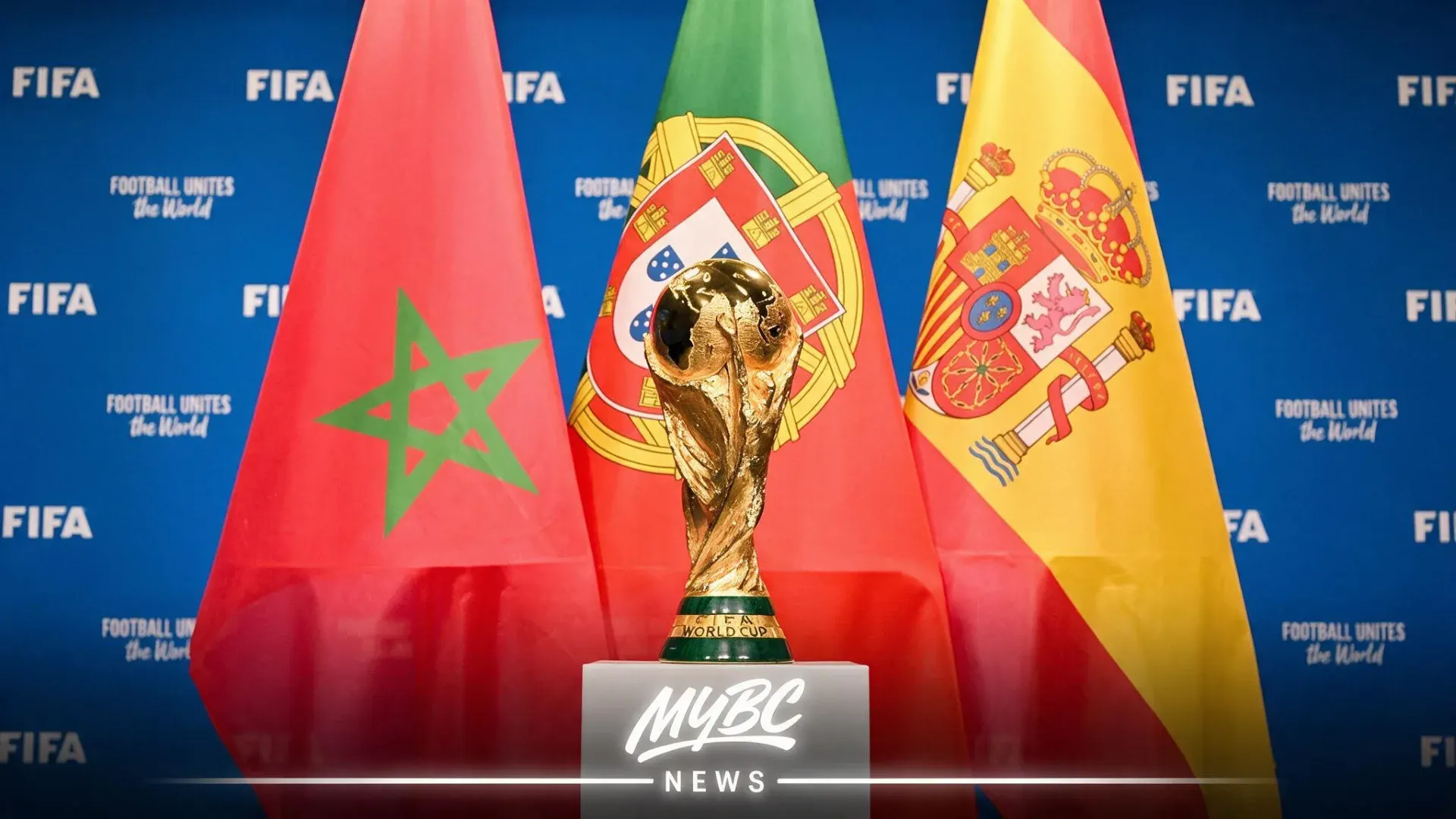
A 64-team World Cup means 128 matches, exactly twice the format supporters have known for decades. Gianni Infantino, the FIFA president, defends the plan as a way of giving smaller nations something to aim for. "If you don't give smaller countries a chance to participate in the World Cup, they'll lack the incentive to keep improving," he argues. Yet that vision rewrites the economics of the game. A bigger tournament devalues the qualifying rounds, and it leaves the regional confederations leaning entirely on FIFA's money.
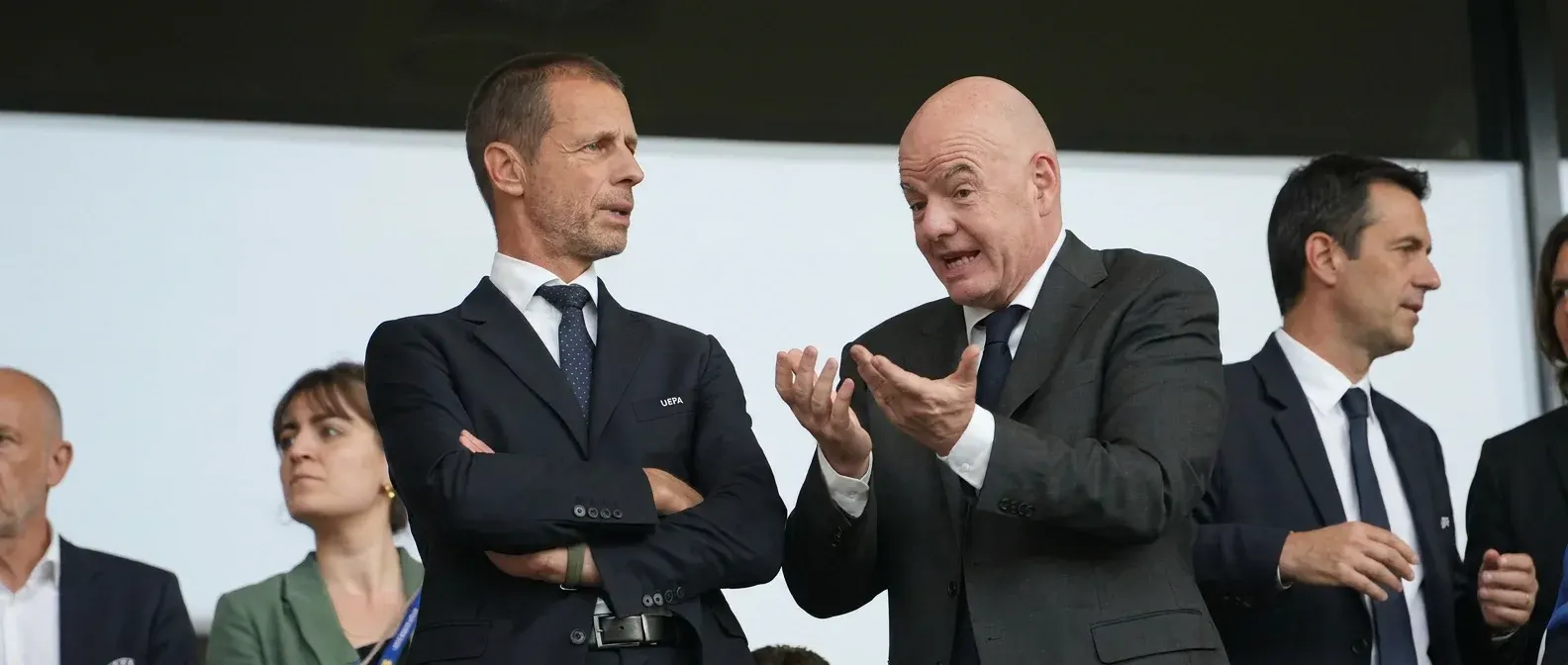
The ambition has run into firm resistance from Aleksander Ceferin, president of UEFA, European football's governing body, who has criticised the project openly. "I don't think it's a good idea for the World Cup itself, and it's not a good idea for our qualifiers either," Ceferin warned. The risk is not only political. A schedule of 128 matches demands colossal infrastructure, more stadiums and more hotels, and that will be an enormous challenge for the 2030 hosts, Spain, Portugal and Morocco. Football is at a tipping point. More fixtures mean a heavier load on players and put the tournament's exclusivity in doubt. Ultimately, if quantity is placed above quality, the World Cup risks losing its soul in exchange for financial ambition.