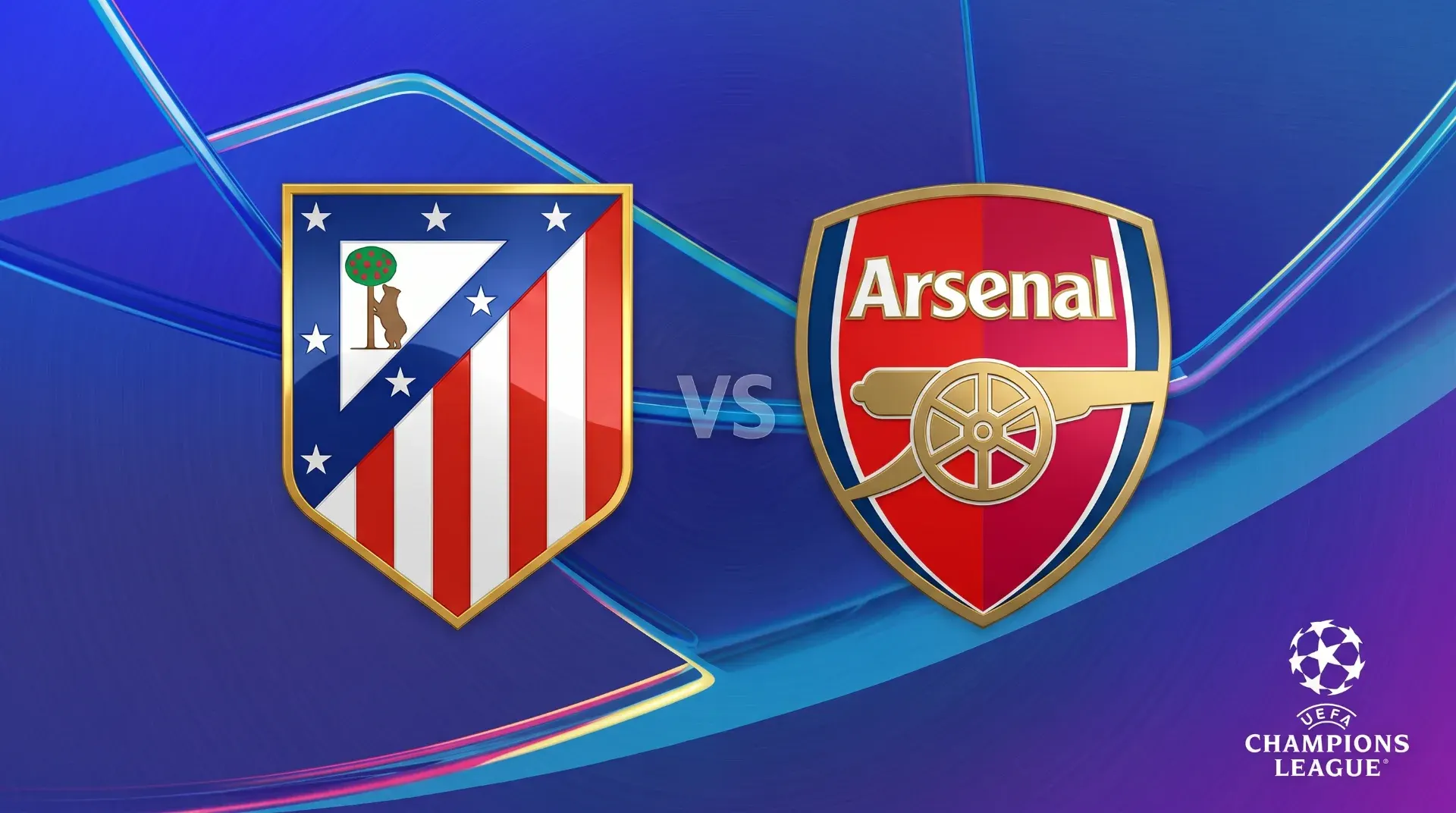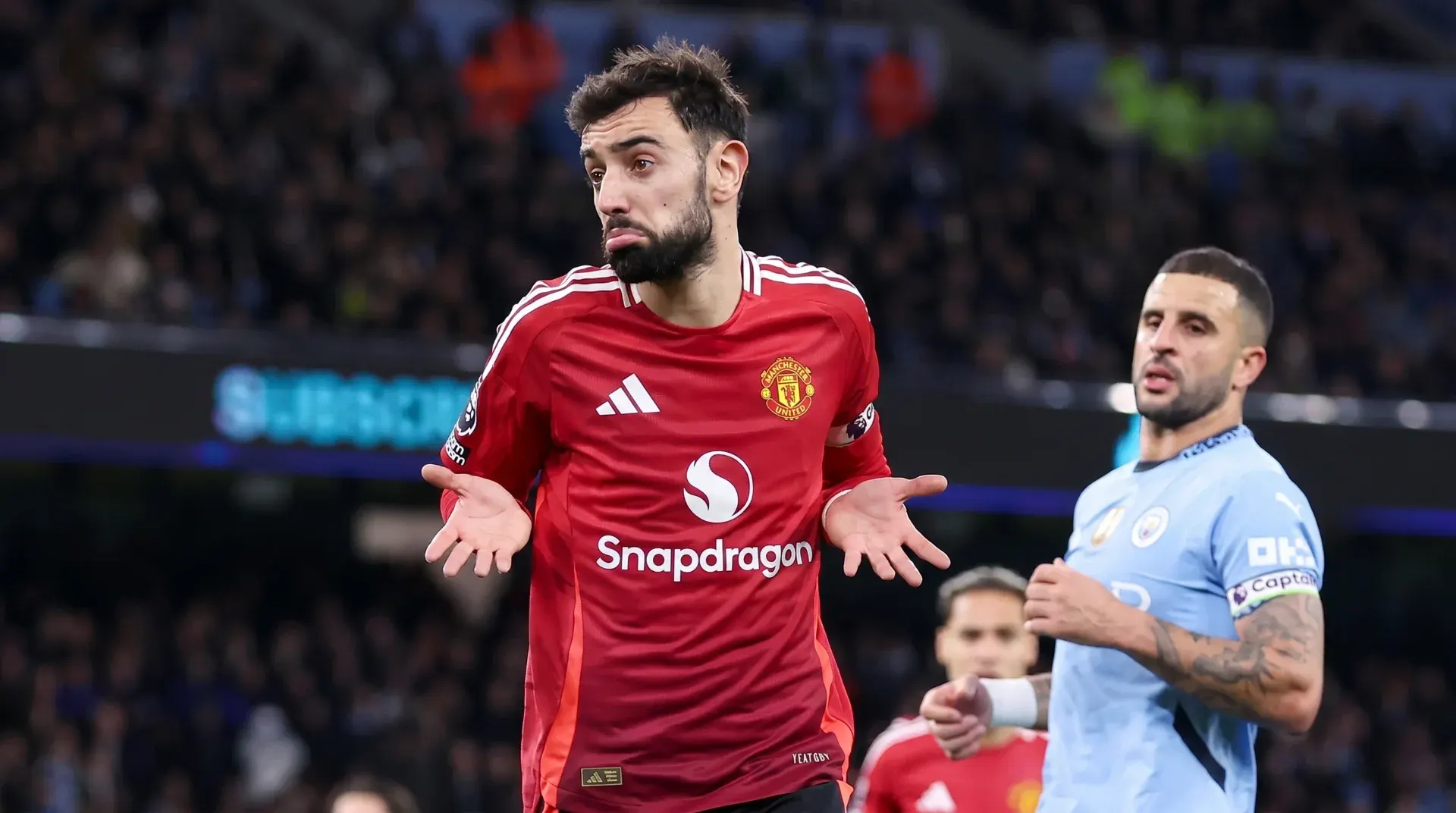
After years of campaigning, FIFA has set in motion one of the most contentious changes in football's recent history — a formal draft protocol, published on April 24 and reported by The Guardian, that would allow domestic league matches to be staged in foreign countries. For La Liga president Javier Tebas, it is the closest his long-held ambition has ever come to reality.
It is not yet law. No date has been scheduled for the working group's next meeting, and FIFA declined to comment — a source describing the situation as "ongoing." But the framework is now on paper, and the ambition at FIFA is to have the protocol in place for the 2026-27 season.
It is a moment that has cost Tebas a great deal.
What the New Draft Says
The rule, in one sentence — each league will be permitted to host one official match per season abroad. A single host country, meanwhile, will be allowed to stage no more than five "foreign" matches in any one season.
The approval system is complex. Any request must include consent from the national associations of the participating clubs, consent from those associations' confederations, consent from the football association of the host country, consent from the host country's confederation, and finally sign-off from FIFA, which retains the right of veto. Applications must be submitted six months in advance and include detailed plans for revenue distribution, player welfare, and supporter compensation.
There is also a requirement to demonstrate that fans have been given the opportunity to travel, or have been compensated. And one condition that has not received much attention — reciprocity. If La Liga takes a match to Miami, Major League Soccer would be given the chance to host a game in Madrid. The framework is not designed as a one-way street.
One notable detail — the home league does not have to be consulted if its clubs push ahead against its wishes. For the Premier League, this would not apply — England's Football Association would not sanction such a move without the league's approval — but the situation may differ in other countries.
The one-game cap does not apply to Super Cups, which many European leagues already hold abroad — meaning that particular door is already open and is not being newly created by this draft.
Why Now — Last Year's Chaos
The new draft did not come out of nowhere. It is a response to last year's complete fiasco.
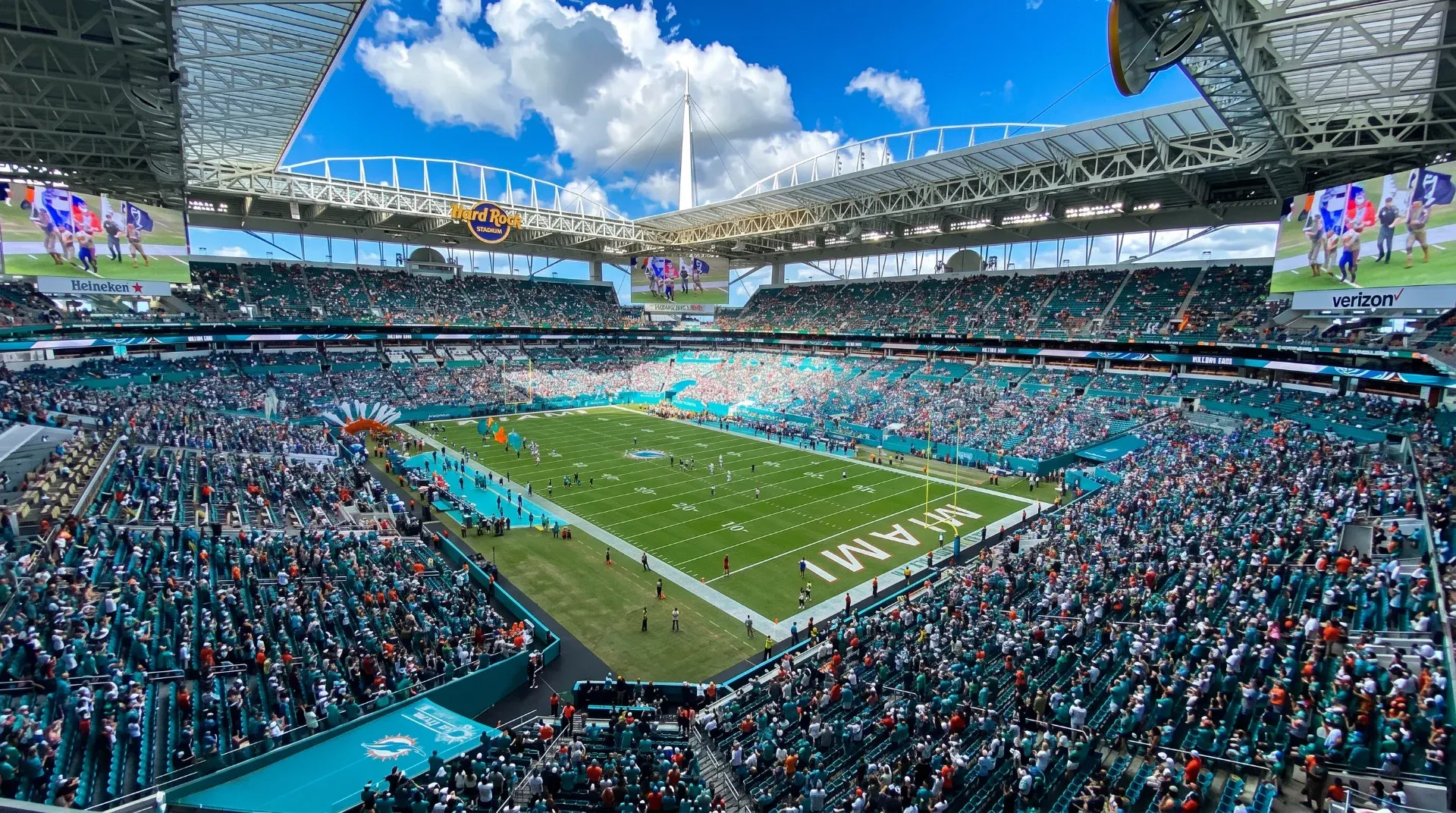
In autumn 2025, La Liga made a historic decision — the matchday 17 fixture between Villarreal and Barcelona would be staged on December 20 at Hard Rock Stadium in Miami. It would have been the first European top-flight match in history to be played on another continent. UEFA president Aleksander Čeferin approved the move — but described the decision as "regrettable" and stated that it "shall not be seen as setting a precedent."
The reaction was fierce. Real Madrid called on FIFA, UEFA and Spain's Sports Ministry to block the plans. Thibaut Courtois issued a statement criticising the decision sharply. The Spanish Footballers' Association (AFE) staged a 15-second silent protest at the start of every La Liga fixture the following weekend.
On October 22, Relevent Sports — La Liga's American partner, controlled by Miami Dolphins owner Stephen M. Ross — announced the cancellation. The official reason given was "the uncertainty generated in Spain in recent weeks. It would also be irresponsible to begin selling tickets without a confirmed match in place." Tickets had not yet gone on sale.
Villarreal, for their part, were blunt: the club expressed "deep displeasure" with La Liga for "the poor management of the organisation" of the fixture.
Two months later, Serie A suffered a similar fiasco. AC Milan vs Como was due to be played in Perth, Australia, in February. At the end of December, Serie A officially called off the plan — citing objections from the Asian Football Confederation.
For Tebas, the cancellation in Miami was a personal blow. He has lobbied for this idea for years — first in 2018, when there was a plan to play Girona vs Barcelona in Miami. That attempt failed as well. Seven years later, another try, another failure. Now, FIFA has built a formal framework around the idea.
After last October's cancellation, Tebas said openly that "we will try again." That second attempt is now in motion.
Business Logic — A Multi-Billion Dollar Market
Why does this matter to the leagues? The answer is one word — money.
La Liga, the Premier League, Serie A — the Spanish and Italian domestic markets have been mined to the limit. Broadcast rights, ticket sales, sponsorships — all are saturated. Meanwhile, North America and the Middle East are willing to pay enormous sums for a single high-profile match — figures that dwarf the typical revenue from a regular domestic fixture.
Football is not alone in this. The NBA has spent years expanding the Paris Game and other international fixtures. The NFL has turned its London Games into a fixture of the regular season. MLB has staged its Tokyo Series. And every one of these initiatives now generates millions.
Football has done parts of this already. The Spanish Super Cup has been played in Saudi Arabia for several consecutive seasons. The Italian Super Cup has also been moved there. France's Trophée des Champions is regularly staged in international cities. The practice of hosting "official football" outside the home country already exists — but only at the level of cup and super cup matches. A regular league fixture would be an entirely different threshold to cross.
The Fan Factor — Who Actually Benefits?
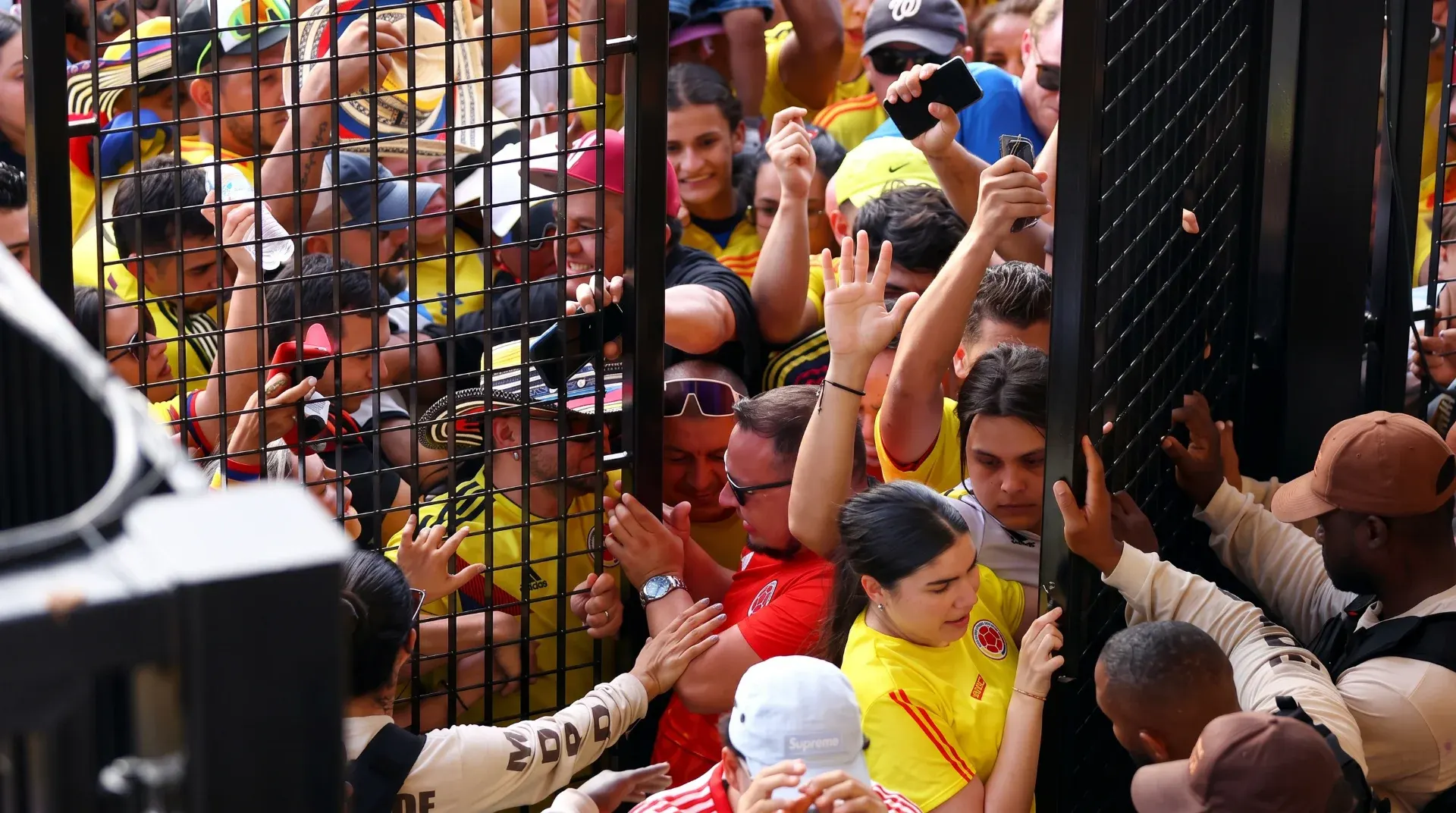
Money is one side of the equation. The other side is the fans, whose benefit in this whole story is far from clear.
Imagine — you are a Villarreal season-ticket holder. You paid for the right to watch Barcelona, Real Madrid, Atlético and every other giant at the Estadio de la Cerámica. And then, one of the biggest fixtures of your season — the match against Barcelona — is moved more than 7,000 kilometres from your city. On top of the cost of the ticket itself, you now face the cost of flights, hotel and time off. You effectively lose a match that was part of the package you bought.
The AFE's protest was rooted in exactly this concern. Real Madrid's opposition came from the angle of sporting fairness.
Courtois made a comparison that frequently surfaces in this debate: "The NBA has 82 games, and the NFL's owners collectively approve these decisions. Here, La Liga acts unilaterally. It's not the same."
Courtois's words pose the central question — is football a show-business product, or a sport rooted in its local communities? American professional sport is built explicitly on the show-business model. Football has historically followed a different logic — local club, local stadium, local fan base. This change pushes hard against that logic.
Sporting Inequality
And beyond the business and the fans, there is also a purely sporting concern.
Picture the La Liga table. 38 matches — 19 at home, 19 away. If one of those matches is moved to another continent, the competitive balance erodes. And the side that pushed for that decision may end up being the one that loses out.
Then there is the physical factor. Barcelona to Miami — a 10-hour flight. Barcelona to Perth — around 20 hours. A nine-hour time difference, a different climate, a different pitch. A team that arrives physically depleted is no longer playing football in the strict sense — it is participating in a show. This would create an artificial advantage for wealthier clubs who are better able to manage the logistics of a fixture in a different time zone.
And even if it is "only one match per league" — combined with five matches in one host country — the cumulative scale is significant. For the 20 Premier League clubs, this would mean that within five years, every single club would have had to face this experience at least once.
And Finally — The Premier League's Refusal
The Premier League — the most lucrative league in the world — officially says it "will not go." The league's leadership has stated repeatedly that its matches will remain in England.
But here is where the interesting detail enters — many American owners in the Premier League take a different view.
Manchester United — the Glazer family. Liverpool — FSG, John Henry's Boston-based group. Chelsea — Todd Boehly's consortium. Arsenal — Stan Kroenke. Stakes in Aston Villa, Crystal Palace — American. For each of these owners, North America is their home market — and the prospect of having their club seen there carries clear financial logic.
Forbes analyses have noted that American owners within the Premier League have been pushing the league to reconsider its position. So far, without success. But FIFA's new draft hands them a fresh lever — the provision that the home league does not have to be consulted if the clubs push ahead against its wishes.
If a group of American-owned Premier League clubs jointly requested that a Manchester United vs Arsenal fixture be staged in Miami — the league might not have a veto. FIFA, on the other hand, could grant approval.
This is the real front line of the battle. Tebas pushed forward — and FIFA has now built the framework. The next step is finding out who will be the first to test that rule against the Premier League.
History, after all, is often written by those who challenge the internal logic of the rules ahead of the rules themselves.