


The second pairing of the Champions League semi-finals meets today, April 29, at the Riyadh Air Metropolitano. Atletico Madrid host Arsenal in one of the most charged semi-finals in recent memory. On the line — a ticket to the final in Budapest. At stake — for both clubs, a historic trophy chance neither has ever come this close to.
Two completely opposing footballing philosophies collide. On one side — Diego Simeone's Atletico, with their physicality, steel, and Dark Arts. On the other — Mikel Arteta's Arsenal, with their order, possession game and structural artistry.
Chaos against order — for the full 90 minutes.
A CLASH OF FOOTBALLING PHILOSOPHIES
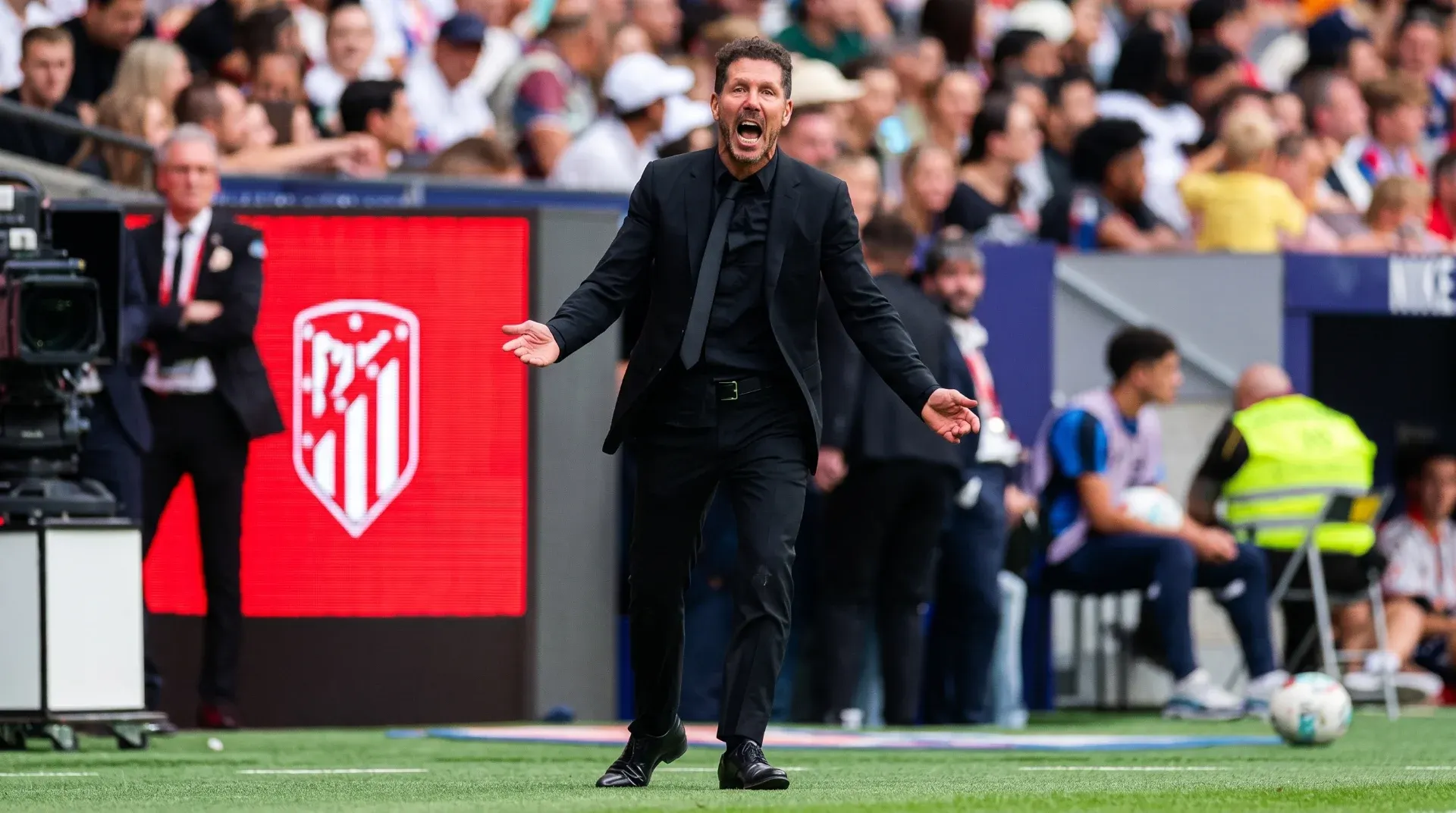
Diego Simeone has been at Atletico for 14 years. In that time, he has rebuilt the club entirely in his own image. "Cholismo" — that is the name given to his footballing philosophy. Aggression, physicality, fighting spirit. A team that "eats" its opponent on the pitch — through time-wasting, small fouls, and psychological pressure.
In the football world, this is known as the Dark Arts. Slow goal-kicks, dragging out the seconds before free-kicks, eyeballing the referee. Every one of those tools is part of a larger tactical plan, all serving one goal: breaking the opponent's rhythm.
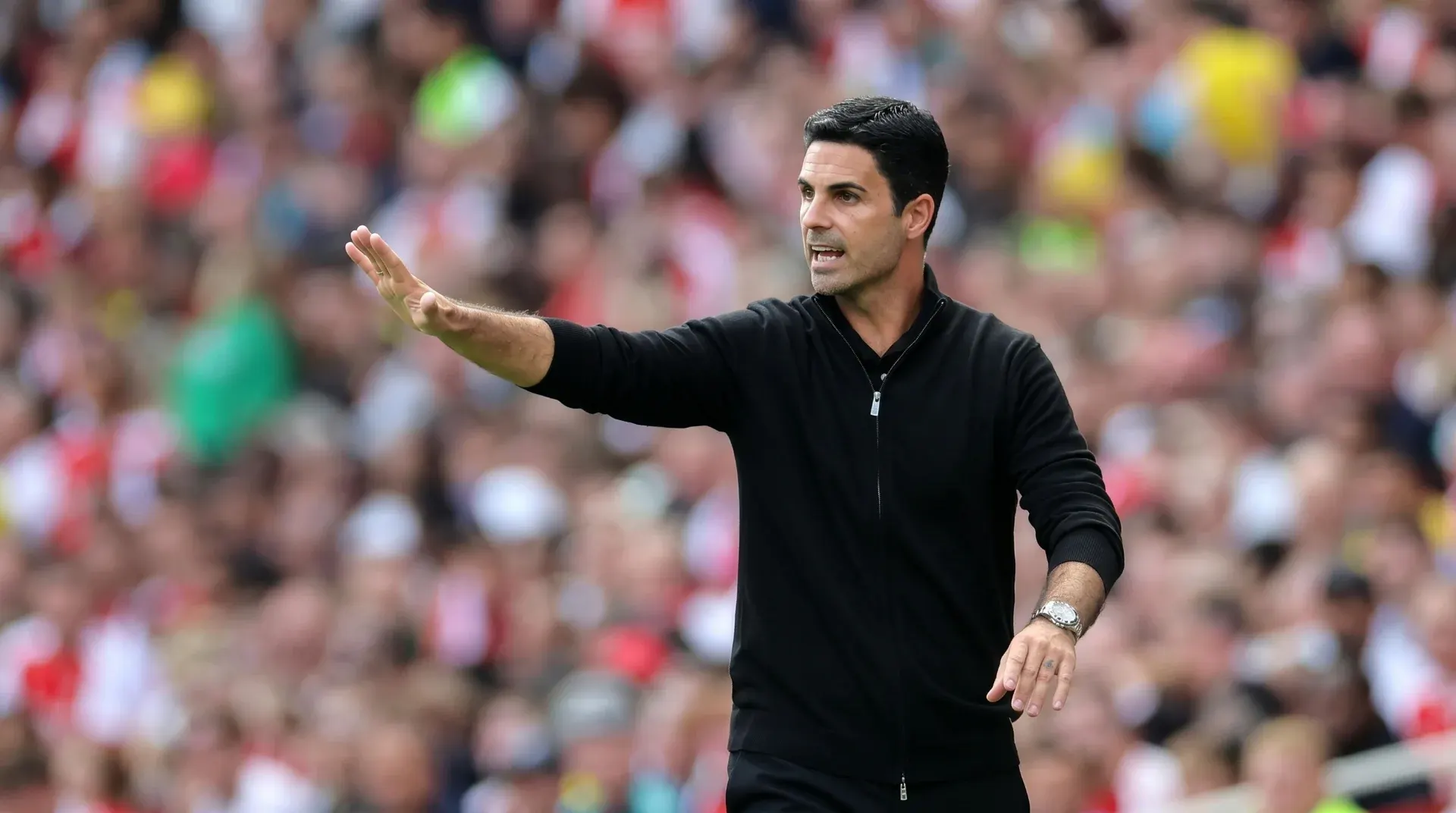
On the other side — Mikel Arteta's Arsenal. A product of Pep Guardiola's school, academic, controlled. A team that plays football through possession, short passes, and the creation of space. Emotional control is at the heart of Arteta's philosophy. They do not seek physical confrontation, but they cannot avoid it when it arrives.
This is not just a tactical duel. It is a clash between two opposing visions of football.
And one fact deserves a separate mention — Atletico have scored 34 goals in this season's Champions League, the most in the club's entire European Cup and Champions League history. Simeone is no longer simply the manager of a conservative team. His Atletico are now also dangerous in attack — they beat Barcelona 2-0 in the first leg at the Metropolitano before advancing 3-2 on aggregate in the quarter-finals. But the physical philosophy remains the same.
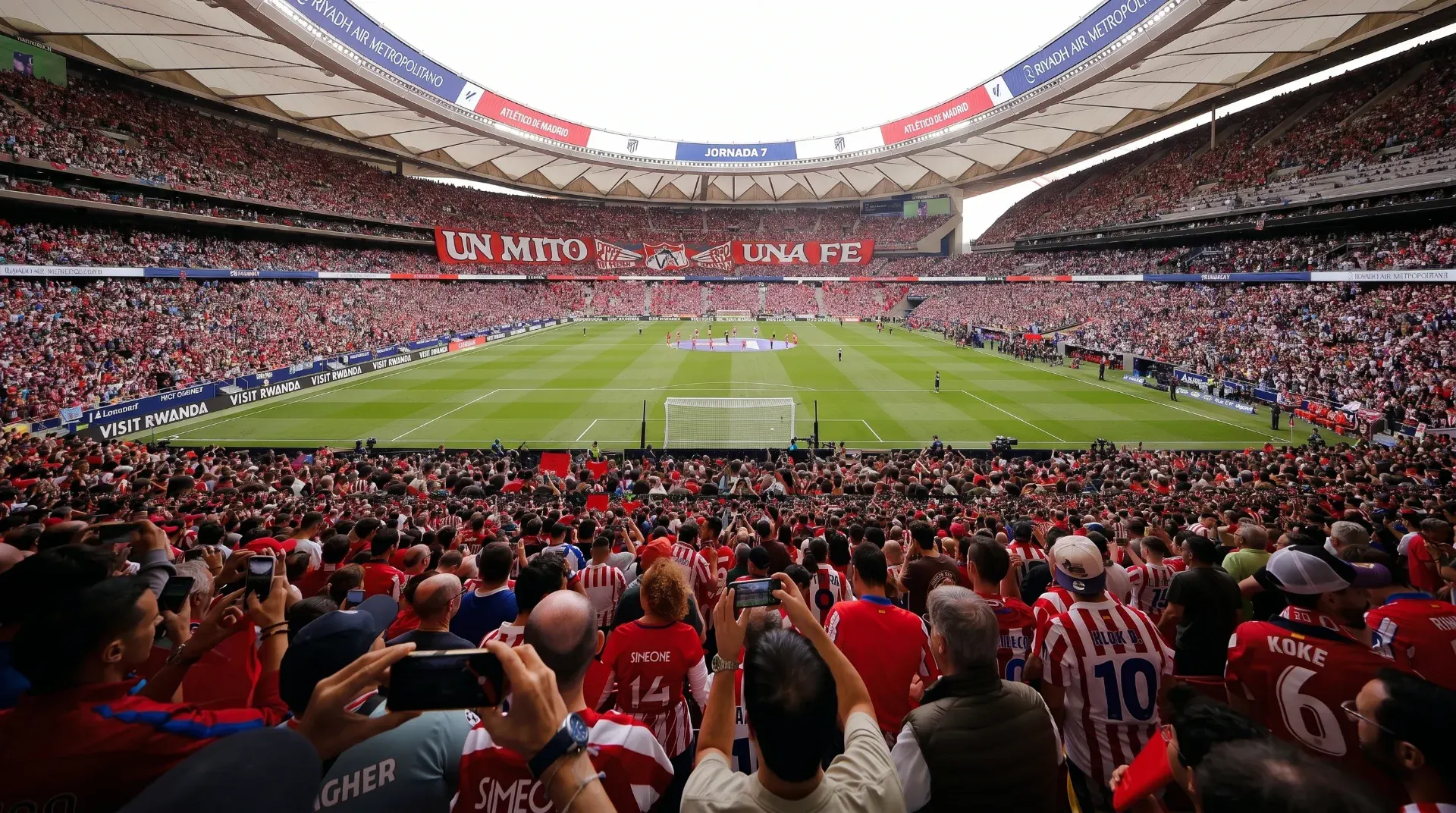
A PSYCHOLOGICAL TEST AT THE METROPOLITANO
For Arsenal, this match is a true test of European maturity.
Arteta's side stands on the edge of a historic moment — reaching consecutive Champions League semi-finals for the first time in the club's 140-year history. A 22-year wait for a Premier League title, a domestic form that has unravelled physically, the absence of key players — and now a Champions League semi-final at one of the most chaotic stadiums in the world.
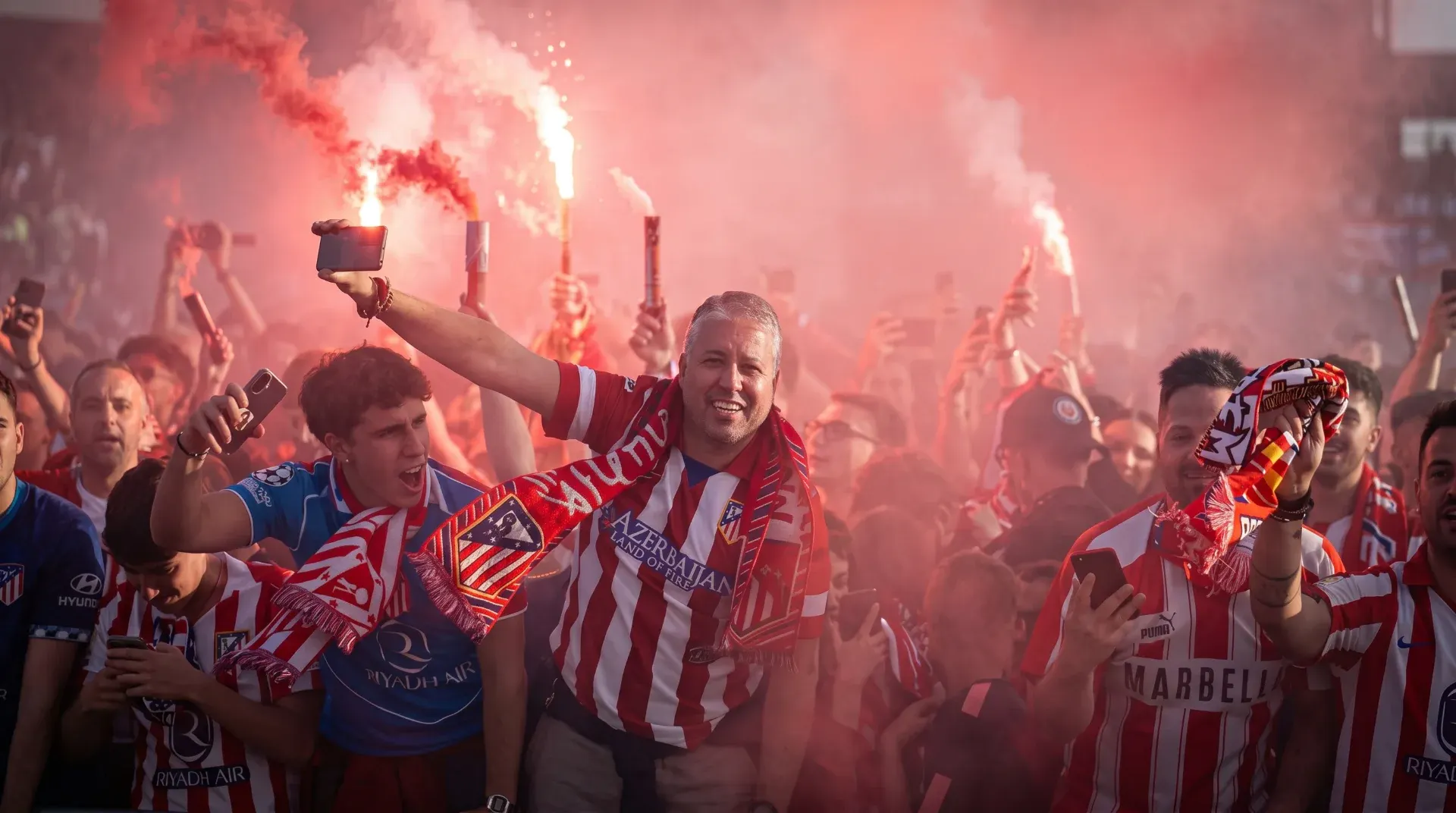
The Riyadh Air Metropolitano fans are well known — for the noise, the fire, the emotional pressure. Simeone builds his team around that energy. The first 20 minutes — that is the period when Atletico try to break their opponent emotionally. An early goal or a physical incident can change the entire match.
And this is exactly where the central drama lies — can the Londoners survive that pressure? If Arsenal cannot keep the score level through the opening 20 minutes, Simeone's plan is working. If Arsenal manage to impose their possession-based rhythm, the physical machine could begin to crack.
History favours Arteta's side on one specific stat — Arsenal are the only unbeaten team left in this season's Champions League: 10 wins, 2 draws, 0 defeats. They have conceded just five goals in 12 Champions League games this season — a record that would be the envy of most defences in the competition.
There is one more historical fact that gives Atletico quiet confidence at home — they have never lost a Champions League knockout-stage game against an English club at the Metropolitano or its predecessor the Vicente Calderón. Six such matches, three wins and three draws. Arsenal have never been one of those opponents — until now.
THE REFEREE FACTOR
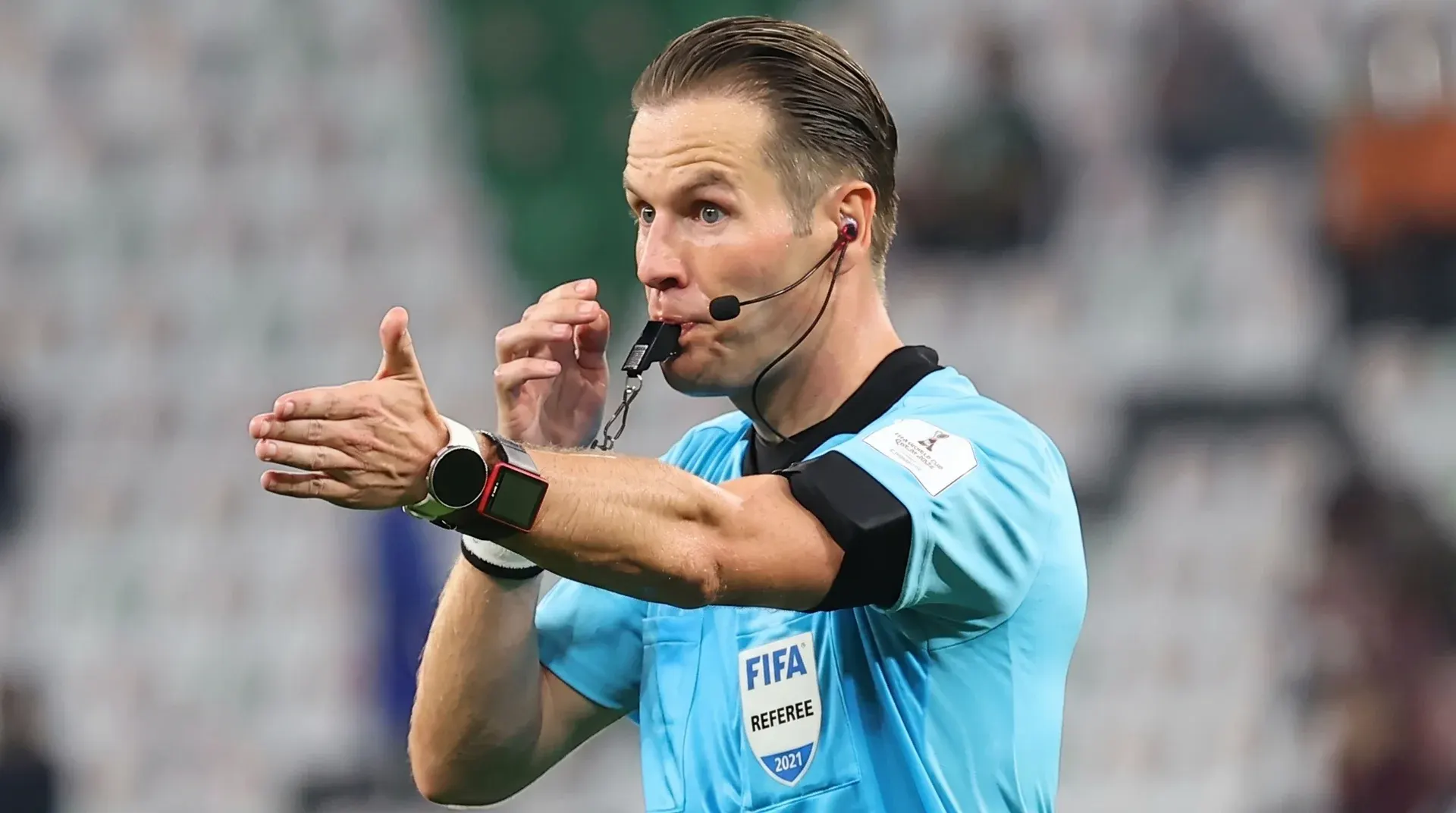
One separate figure who could play a decisive role in this match — the Dutch referee Danny Makkelie.
Makkelie, 43, is one of the most experienced European referees — a member of UEFA's elite group. His style is well known — he allows physical play more than most, and tries not to interrupt the flow of the match with constant whistles.
And it is precisely this factor that gives Atletico an advantage.
Simeone's team thrives in heated battles. If the referee does not punish physical contact frequently, Atletico's full Cholismo philosophy comes alive. Provocations, small fouls, time-wasting — all of it routinely goes unpunished.
For Arsenal, this kind of physical pressure is unfamiliar territory. In the Premier League, Arteta's side plays in a more protected environment — frequent whistles, a controllable emotional atmosphere. At the Metropolitano with Makkelie in charge — a completely different setting.
THE EXPERT VIEW
Heading into the match, football analysts are divided into two camps.
English veterans — Ian Wright, Rio Ferdinand — speak openly about one specific factor: an early goal. If Arsenal score early, in the first 20 to 25 minutes, Atletico's plan falls apart. Simeone's team is forced to switch from a physical battle into an attacking shape. That does not suit them.
If the first half ends 0-0 — Ferdinand will say openly — Simeone's plan has worked. The Atletico fans erupt, the energy rises, Arsenal tire physically. By the closing stages of the second half, the Londoners find themselves in serious trouble.
Spanish analysts approach it from a different angle. Their main argument — Atletico's vast experience in two-legged ties. Of their last 15 European two-legged ties against English clubs, Atletico have won 11. Three European semi-finals against English clubs in their history — all three won.
In London, even a draw or a narrow defeat would be a perfectly acceptable outcome for the Madrileños. Atletico's path to the final goes through their fans in Madrid — and through their major physical advantage on the pitch.
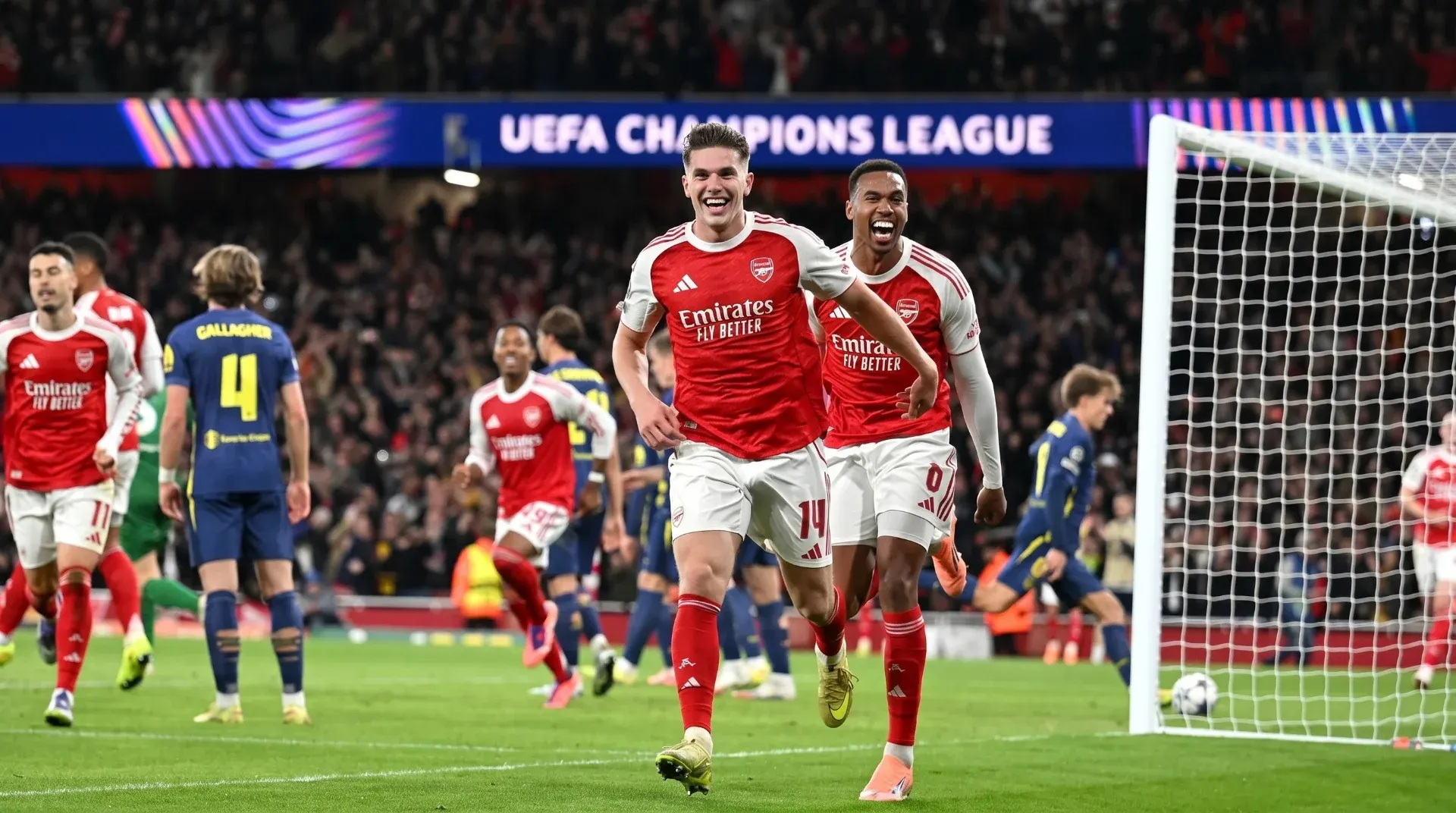
THE MEMORY OF OCTOBER — 4-0 AT THE EMIRATES
And one fact that gives this match its own emotional weight — Atletico still have not forgiven Arsenal for what happened in October.
In the Champions League league phase on October 21, Arsenal demolished Simeone's side 4-0 at the Emirates. A brace from Viktor Gyökeres, plus goals from Gabriel and Martinelli — four goals in 15 second-half minutes. It was one of Atletico's heaviest defeats in recent Champions League history.
And Atletico remember that defeat well.
After it, Madrid came back. They eliminated Club Brugge in the knockout play-offs, Tottenham in the round of 16, and then Barcelona in the quarter-finals — 2-0 in the first leg at the Metropolitano, 3-2 on aggregate. A semi-final — the first since 2016-17. And crucially, Atletico's run through the knockouts has produced 28 goals in six matches — 17 scored, 11 conceded. This is not the Atletico of old, built on defensive stifling alone.
Now Arsenal arrive at the Metropolitano. The football there will not be what it was in October. Simeone's side is on fire — and his fans have one specific memory in mind.
THE INDIVIDUALS WHO COULD DECIDE IT
Two players deserve special attention ahead of kick-off.
For Atletico — Julián Álvarez. The Argentine has scored nine goals in this Champions League campaign, already the most by any Atletico player in a single European Cup or Champions League season. He leads all players in the competition for total high-intensity pressures. Former Man City player, former Premier League champion — he knows what it takes to beat Arsenal. And he will be the man Arteta's defence fears most.
For Atletico also — Antoine Griezmann. The Frenchman has been directly involved in 24.2% of Atletico's Champions League goals across his career with the club — the highest percentage by any player for a team that has scored 100 or more goals in the competition's history. He has not won a major trophy with Atletico since the 2018 UEFA Super Cup, and at the end of this season he departs for Orlando City. This is his last chance.
A HISTORIC OPPORTUNITY — A FINAL FOR ONE, HISTORY FOR ONE
And finally — the fact that gives this semi-final its truly special weight. For both teams, a ticket to the final is not just a ticket to the final. It is a historic opportunity.
Arsenal have never won the Champions League. Their only final — in 2006, when they lost 2-1 to Barcelona at the Stade de France in Saint-Denis.
Atletico have never won it either. Their three finals — 1974 against Bayern Munich, 2014 and 2016 against Real Madrid — all defeats. Three finals, three sets of tears. Atletico are the only team in Champions League history to have reached three finals and lost all three.
In fact, these are the two teams that have played the most European Cup and Champions League matches without ever lifting the trophy — Arsenal 223 games, Atletico 190.
And the trend of recent years is clear — the Champions League is no longer a Real Madrid or a Bayern monopoly.
2023 — Manchester City. Their first-ever title.
2025 — PSG. Their first-ever title.
2026 — ?
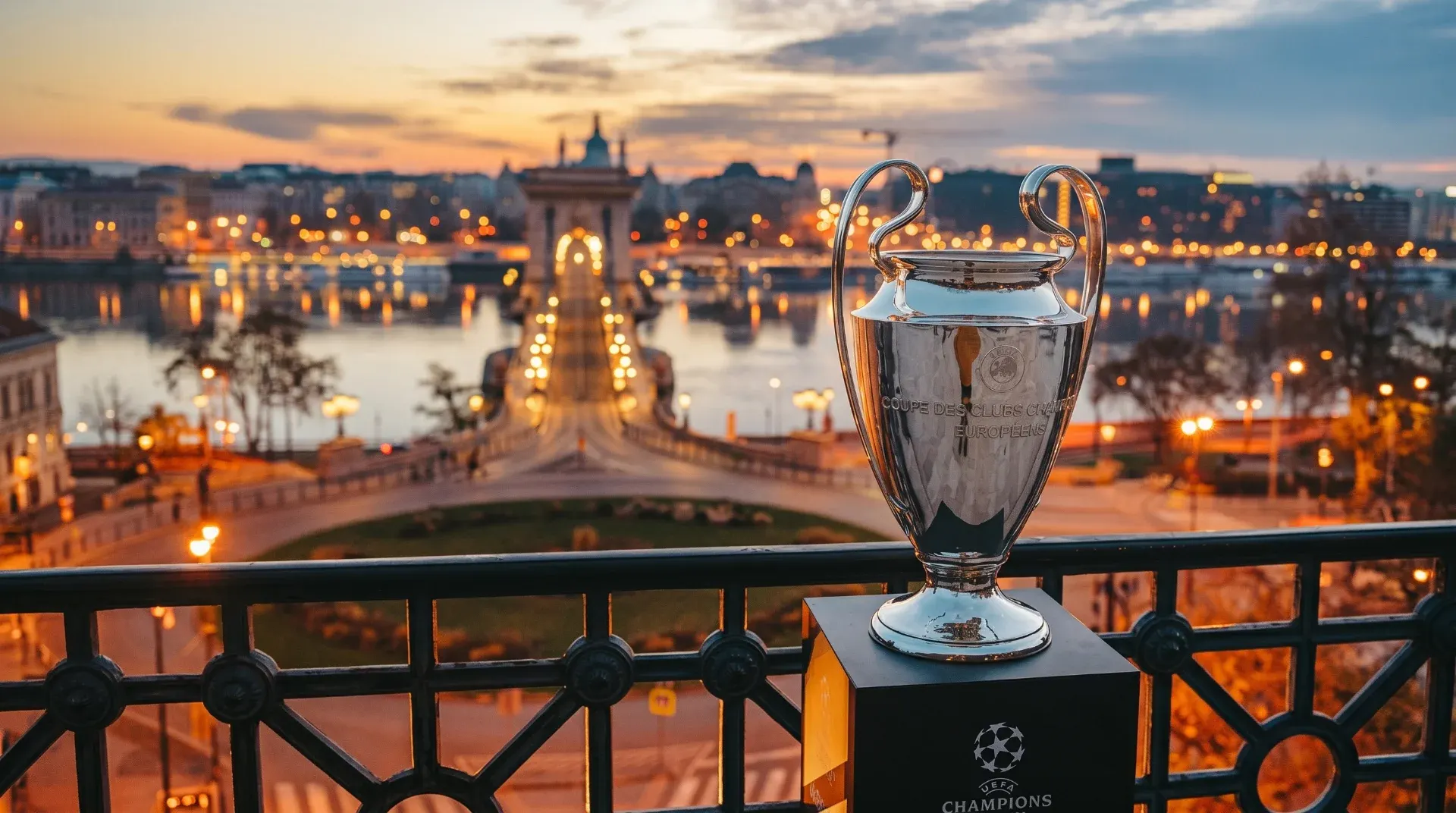
In this pairing — Atletico and Arsenal — one of them is going to the final. And if they win it, that side becomes the third historic first-time champion in the last four years.
For one of them, history will be made.
For the other — three finals worth of heartbreak in Atletico's case, two decades of waiting in Arsenal's — will either finally be answered, or repeated again.
Nothing will be settled in just one match — the second leg takes place at the Emirates on May 6. But the foundation will be laid at the Metropolitano today. The aggregate scoreline. The psychological altitude. The physical wear.
And the road to the final — runs either through Madrid, or through London.
One of them will write history. One of them will not.