Formula 1 management and Turkish officials have officially signed a five-year agreement, marking Istanbul Park's return to the calendar starting in 2027. The deal, announced jointly with Türkiye's Ministry of Youth and Sports and the Turkish Automobile Sports Federation (TOSFED), runs through 2031. This move is more than just a sporting comeback; it is a clear signal that F1 is rebalancing its calendar between glamorous new venues and classic, purpose-built circuits.
A Five-Year Guarantee: No Longer a "Guest" Appearance
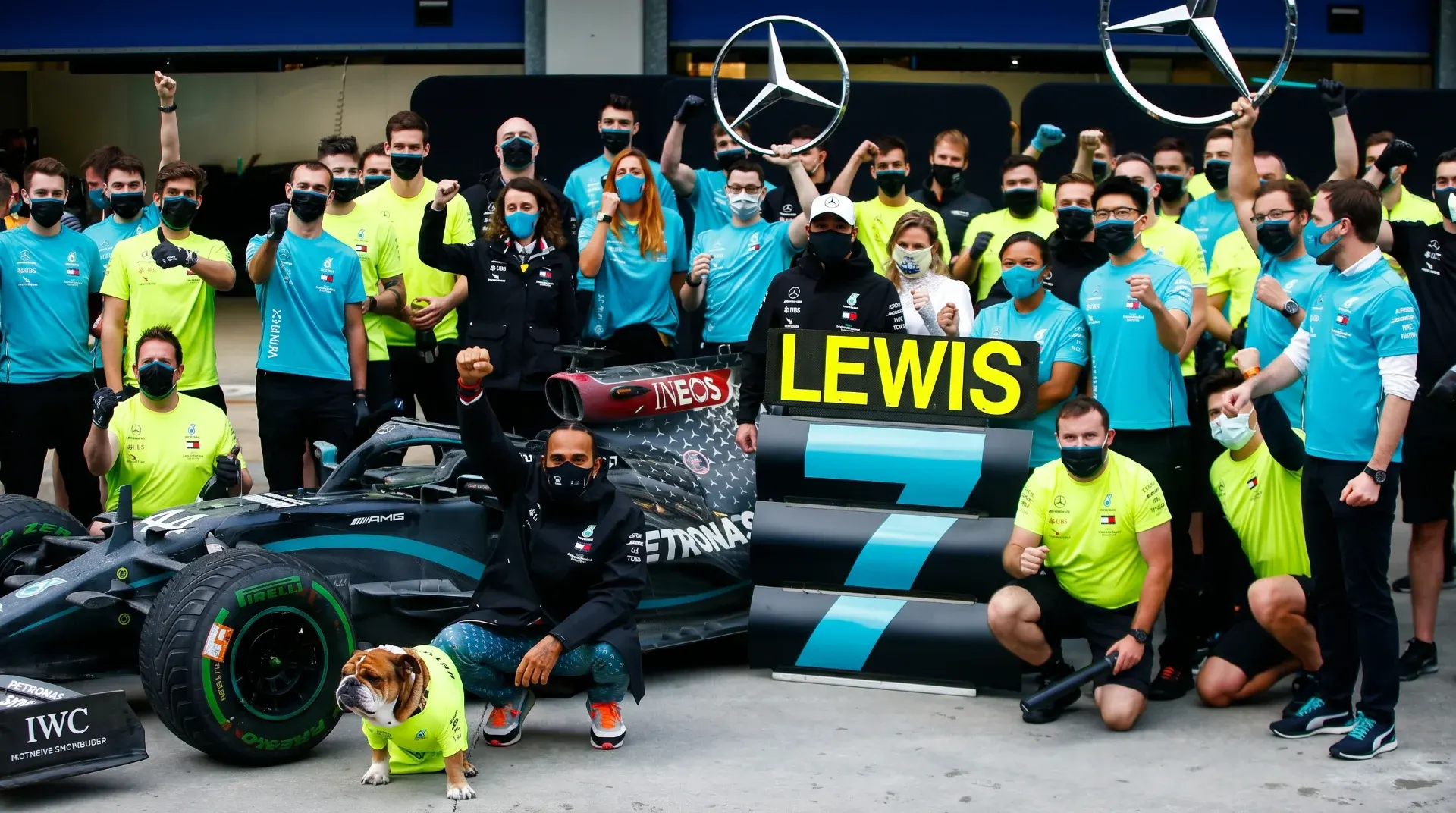
Unlike the temporary stints in 2020 and 2021 — when Istanbul filled gaps created by the pandemic — this new contract carries significant weight. Spanning from 2027 to 2031, Türkiye is now positioned as a stable fixture on the grid. The last race in 2020 was the venue where Lewis Hamilton sealed his seventh Drivers' Championship, equalling Michael Schumacher's all-time record, while Valtteri Bottas took the most recent Turkish GP win in 2021. This long-term commitment allows teams, sponsors, and investors to firmly integrate Istanbul into their strategic roadmaps for the next decade.
Purpose-Built Circuit vs. Street Tracks: Striking a Balance
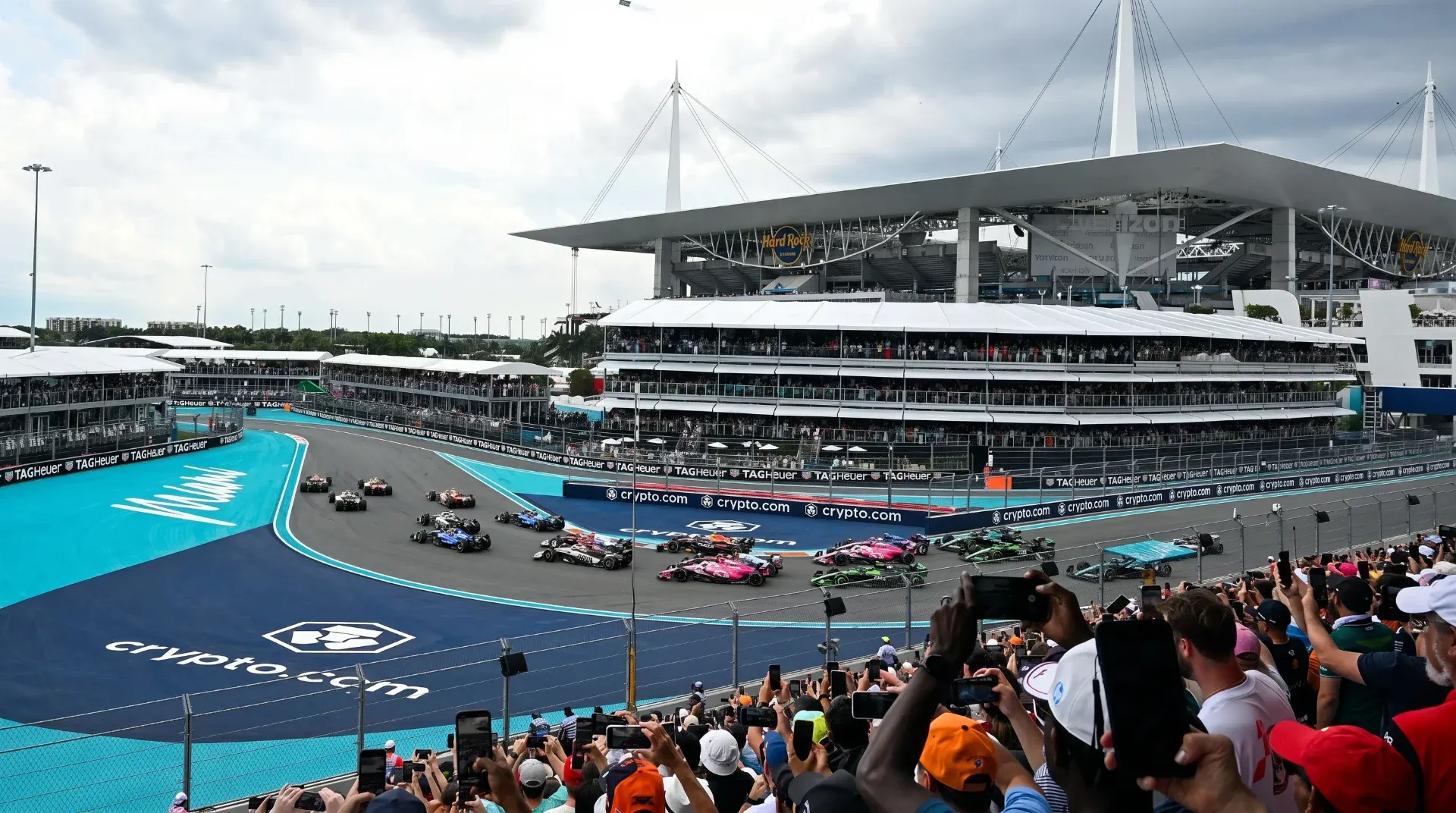
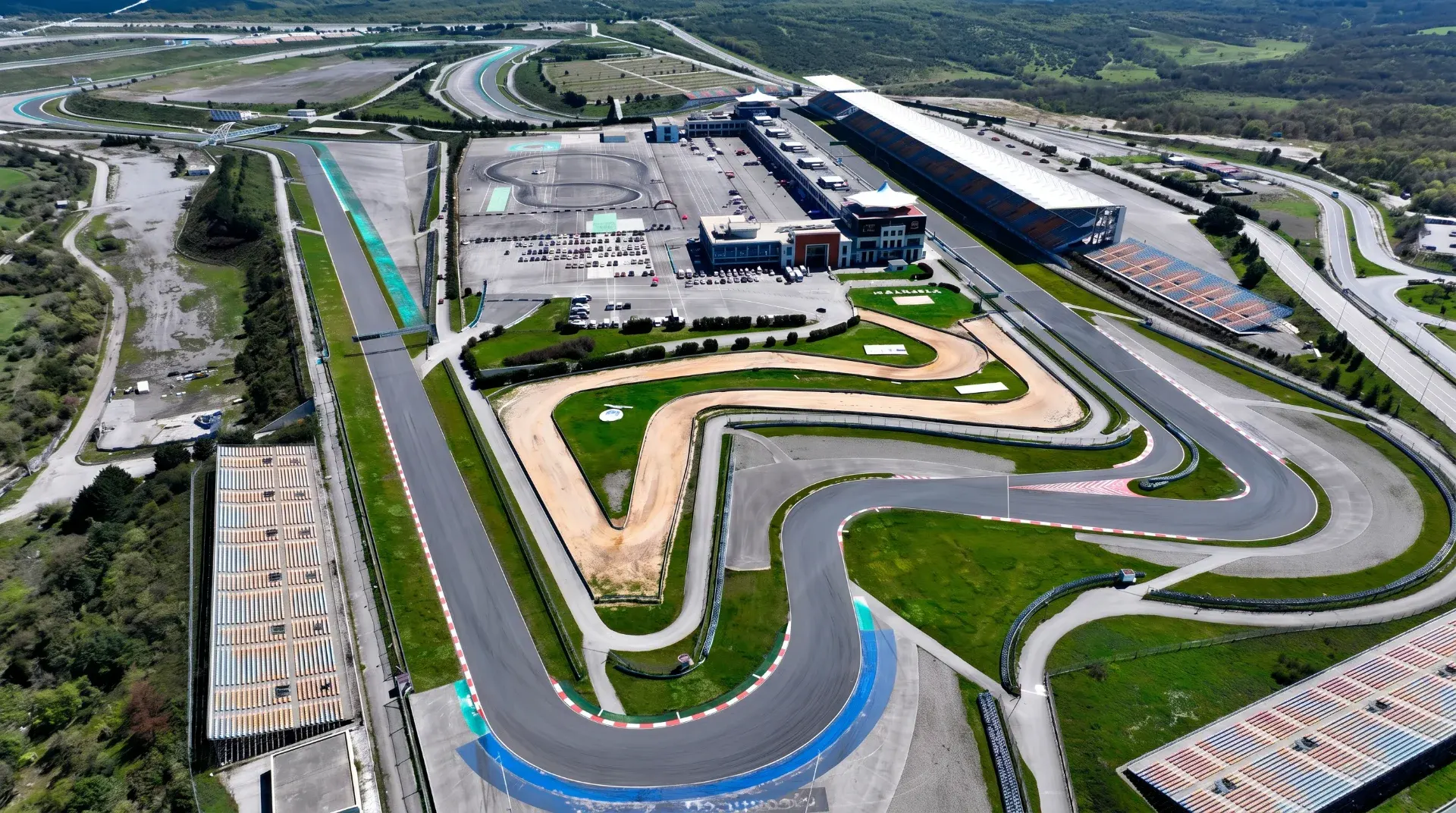
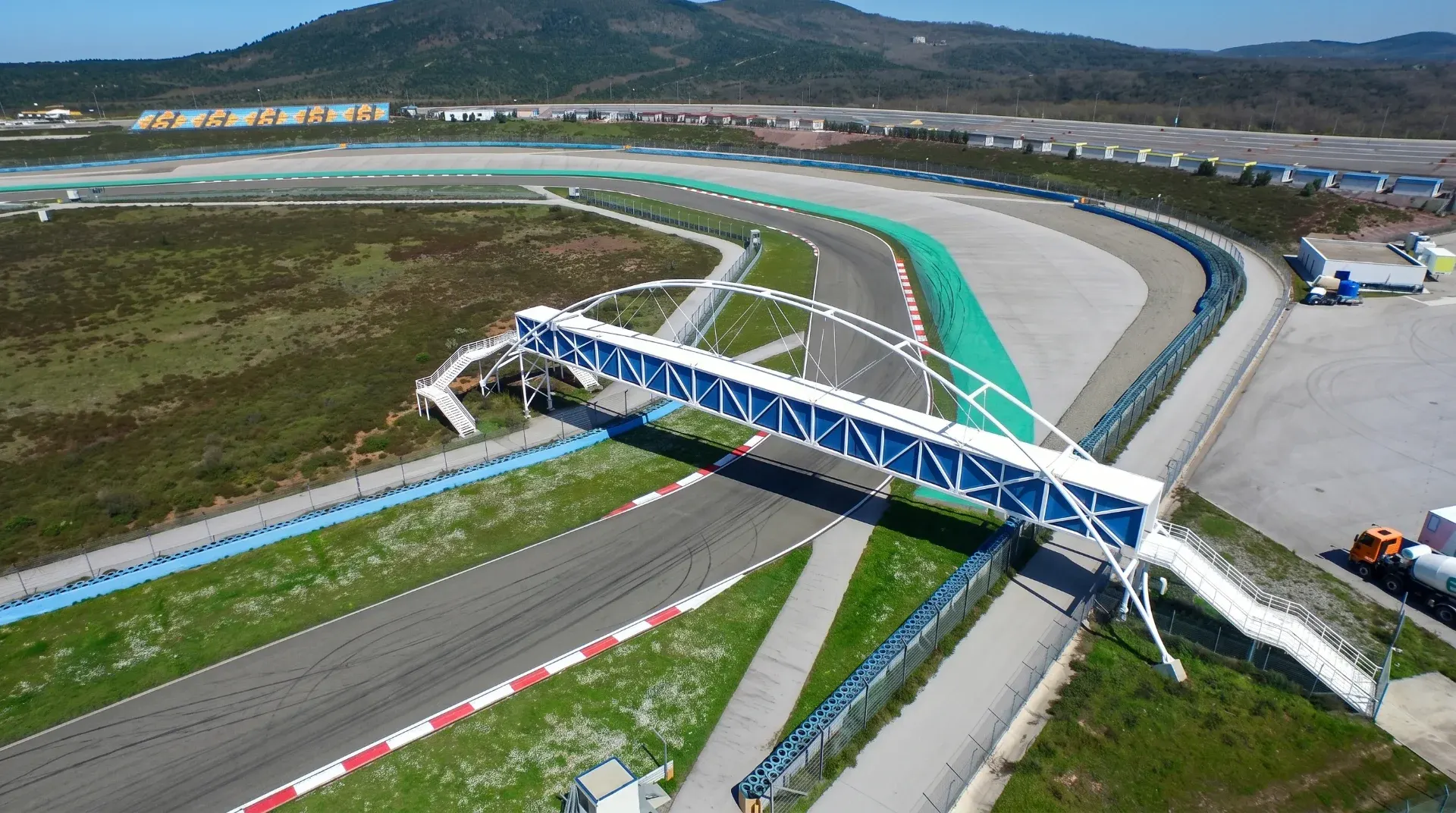
In recent years, the F1 calendar has been increasingly dominated by glamorous street venues like Las Vegas, Miami, and Madrid. The return to Istanbul Park represents a concerted effort by Liberty Media to find a balance. Istanbul is not an "artificial" track; it is a dedicated 5.338-kilometre, 14-corner racing complex designed by Hermann Tilke that forces drivers to utilise a car's full aerodynamic potential and high-speed stability, rather than simply testing their brakes in narrow city corridors.
Turn 8: The Ultimate Test of Physical Endurance
The undisputed "hero" of this track is the legendary Turn 8 — nicknamed "Diabolica." With its four apexes, 640-metre length, and entry speeds above 260 km/h, it subjects drivers to sustained lateral G-forces for roughly 8 seconds at a time. In a modern era where many newer tracks have been criticised for being too "sanitised," Istanbul's anti-clockwise layout and dramatic elevation changes remain a raw, authentic challenge. From a journalistic perspective, this corner will undoubtedly serve as the centerpiece for the 2027 season's promotional campaign.
New Management and an Infrastructural Revolution
Behind this return is a new operator — Can Bilim Eğitim Kurumları A.Ş. — which secured the rights to run Istanbul Park in 2024 for a reported $117.8 million on a 30-year operating concession. Crucially, TOSFED will serve as F1's official delivery partner for the events themselves. The agreement goes beyond merely hosting a race; it includes a complete overhaul of surrounding infrastructure and spectator facilities. For the Turkish government, this project is a matter of national prestige, with the goal of delivering a fully modernised facility by 2027.
Calendar Logistics: How Istanbul Found Its Slot
The return of Istanbul Park raises a natural question: whose place did it take on the already overcrowded 24-race calendar? The answer, contrary to a common misconception, is that no traditional European race was pushed out. The slot opened up because the Dutch Grand Prix (Zandvoort) chose not to extend its contract beyond 2026, and the Spanish and Belgian Grands Prix moved into a rotational arrangement — Spa-Francorchamps will race in odd years (2027, 2029, 2031) and Barcelona in even years (2028, 2030, 2032), each on contracts running through 2032. Italy's Monza is fully secured through 2031 under a six-year deal signed in November 2024. Istanbul, alongside the returning Portuguese GP at Portimão, simply fills the openings created by these existing changes — the real squeeze in Italy concerns Imola, whose contract expires in 2026 and whose future remains uncertain.