


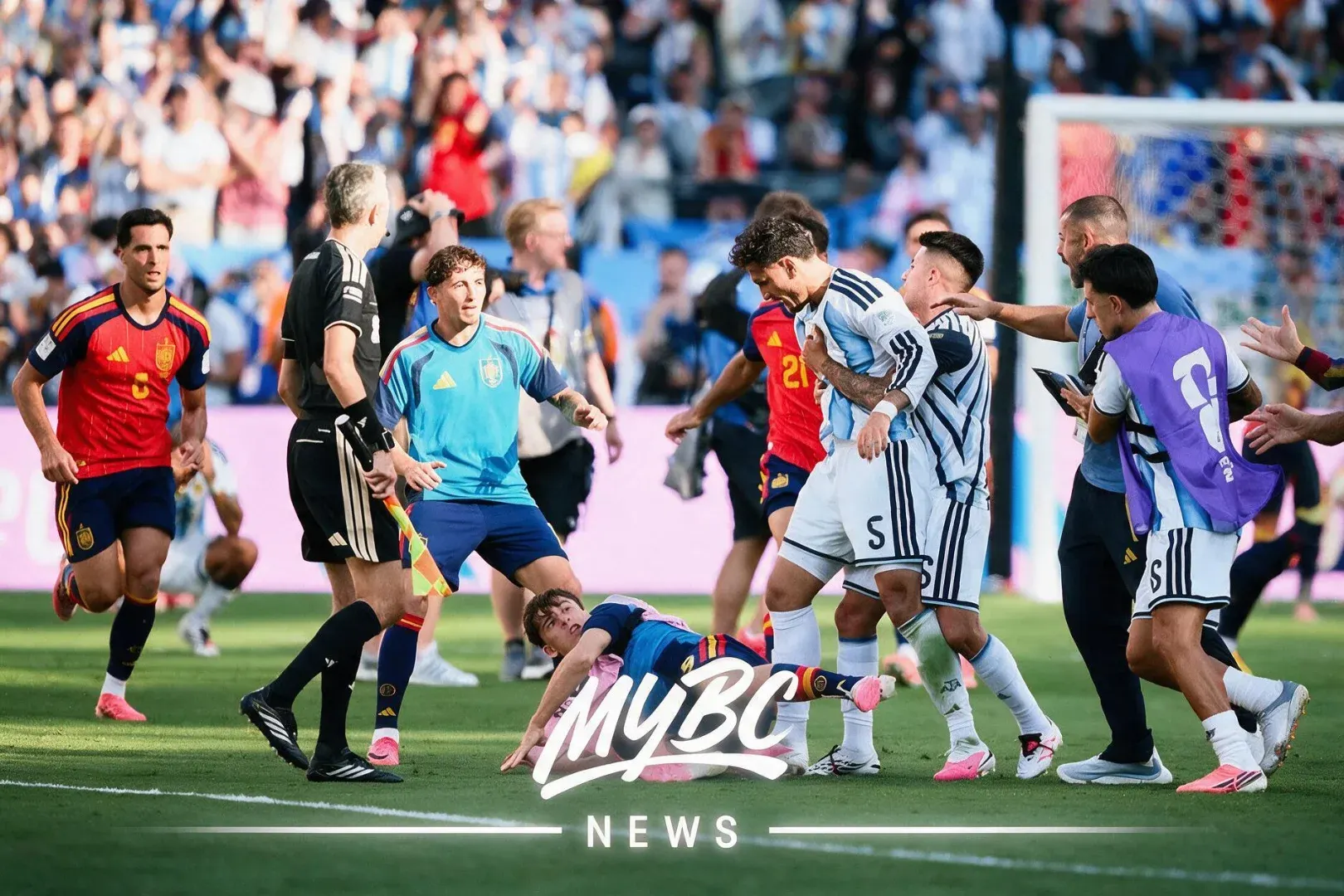
The 1-0 defeat to Spain in the final should have been the hardest night of the tournament for Argentina, but the real ordeal only began after the final whistle, when FIFA opened disciplinary proceedings over the clashes that followed the final and a string of offences across the whole championship. The governing body's wording is dry and severe: "Fifa has opened disciplinary proceedings against Argentina over their behaviour after their World Cup final loss to Spain and throughout the tournament." Three men sit at the centre of the investigation — defender Nauel Molina, midfielder Leandro Paredes and assistant coach Roberto Ayala, all accused of physical assault. The charge is serious. Each faces at least a three-match ban, throwing their involvement in upcoming official fixtures into doubt, and the trouble does not end there: the Argentine Football Association faces separate accusations of displaying a political banner about the Falkland Islands, racist abuse and a flagrant breach of security regulations, with FIFA examining the case under Articles 13, 14, 15 and 17 of its code.
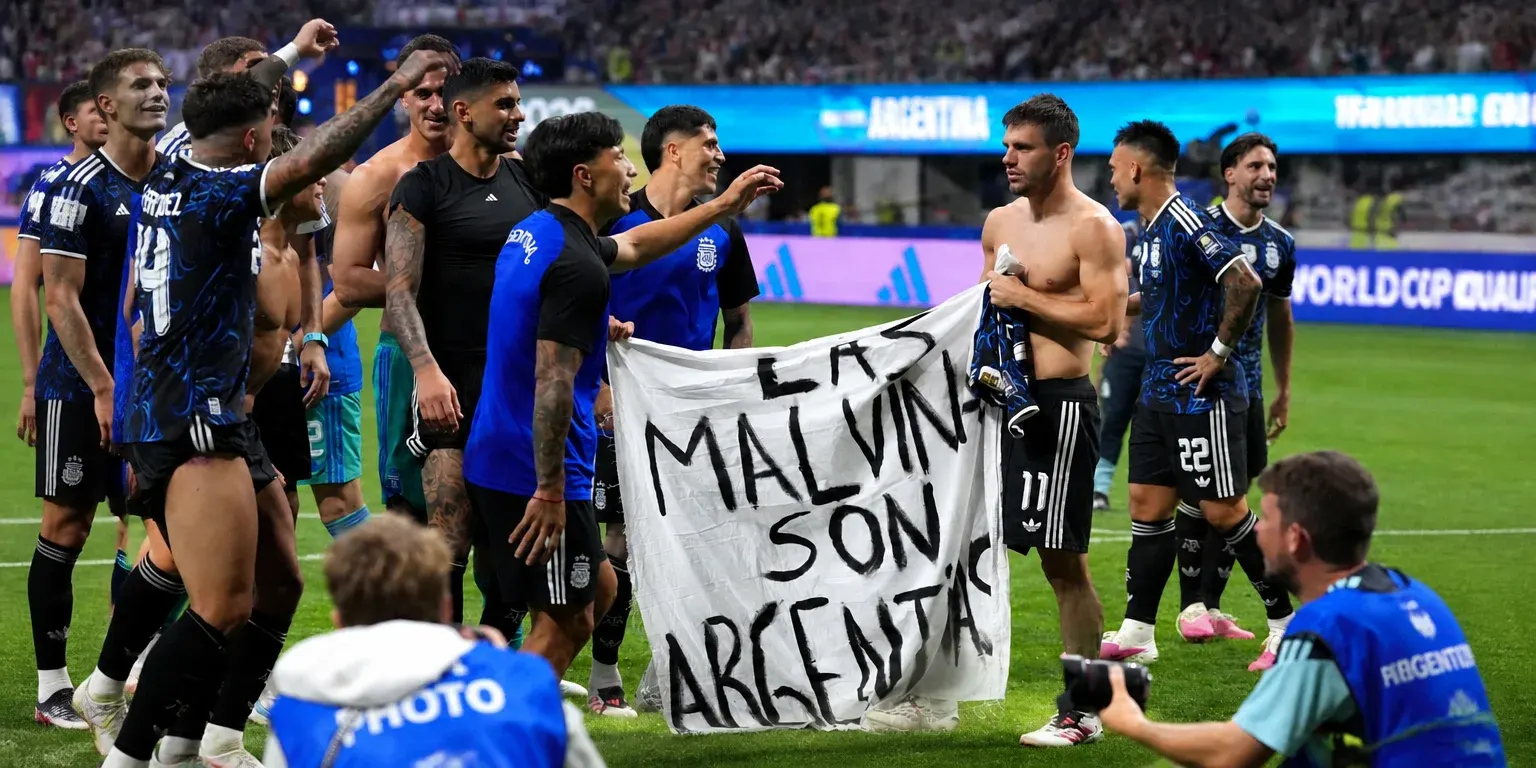
This is where the real contradiction lies. In sporting terms Argentina reached the final and fell a single goal short of the title, yet what happened away from the pitch has all but erased that achievement, dragging what should have been a celebration of the sport into the shadows through aggression and politics. Argentina's fate is no longer decided on the pitch. It rests with FIFA's disciplinary committee, where the price of one defeat could prove far steeper than the lost final itself.