


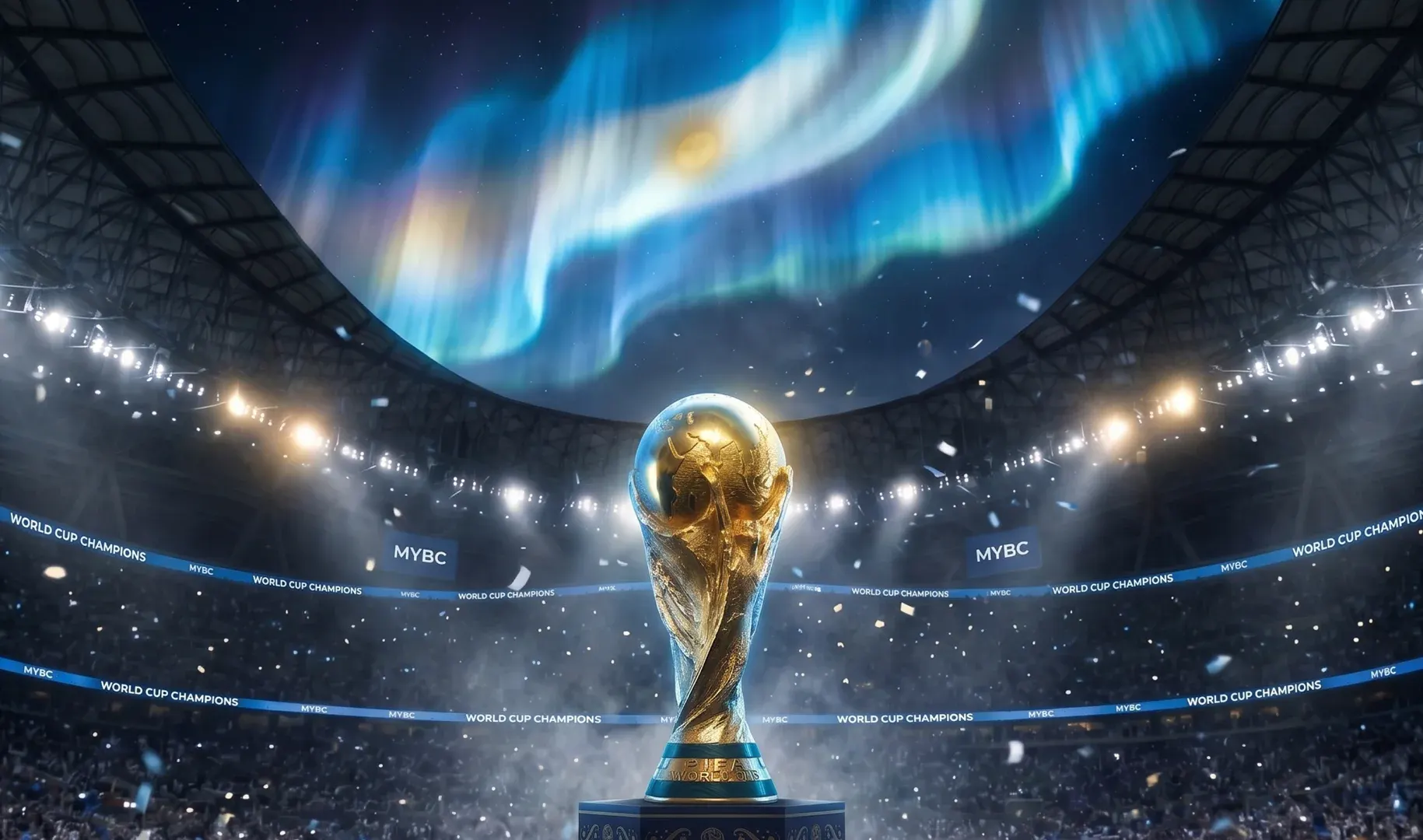
Let's do the maths. Brazil 1962. That's the last time a team defended the World Cup title. Sixty-four years. Every single champion since then has tried to go back-to-back and gone home with their heads down.
Italy 2010 — out in the group stage. Spain 2014 — same. Germany 2018 — dead last in their group. France 2022 — made the final but didn't lift the trophy. The curse is real, it's documented, and now it's Argentina's turn to face it.
The 55-man preliminary squad is out. Just over a month until kickoff. And La Scaloneta is heading into this thing carrying three serious problems: an epidemic of injuries, a run of opponents that left a lot to be desired, and one giant question mark named Lionel Messi.
Defending a World Cup is the most brutal task in football. Argentina are about to find out why.

THE HOSPITAL — SCALONI'S BIGGEST HEADACHE
Building the final 26 comes down to one question: who makes it to June 16 in one piece?
Cristian "Cuti" Romero — Tottenham's captain, the rock at the heart of Argentina's defence — got hurt in mid-April. Medial collateral ligament strain in his right knee. Six to eight weeks out. He might be physically available for the Algeria opener, but without a single competitive minute in his legs. Being healthy and being ready aren't the same thing. Any fan who's watched a final knows that.
Nahuel Molina — Atlético Madrid's right-back, the man who bagged crucial goals in the Champions League this season — tore a muscle last week. Grade 1, 21 days of recovery. The clock doesn't forgive. He'll scrape in for the opener — but also without match fitness.
Lisandro Martínez — slowly working his way back at Manchester United after a serious knee injury. He's in the 55, but nobody knows if he'll be ready.
Lautaro Martínez — El Toro tore his soleus in February. Came back against Roma, banged in two goals — then felt it again in the same spot. He'll fight his way there, but he's cutting it razor-thin.
Nicolás González — muscle injury right before Atlético's Champions League clash with Arsenal. Three to four weeks out. Another one arriving on fumes.
Juan Foyth — not even on the list. Ruptured Achilles tendon. His World Cup is over before it started.
One bit of good news? Nicolás Otamendi. "El General" was sitting on a suspension after getting sent off against Ecuador in qualifying, but FIFA applied a general amnesty — pushed through by AFA with Chiqui Tapia leading the charge — and Benfica's veteran will be available for the Algeria opener. 130 caps, 8 goals in the blue and white. His fourth World Cup. And with Cuti arriving without match practice, Otamendi becomes the natural lighthouse at the back.
Too many names, too many razor-thin margins. The next few weeks are do or die.
THE SURPRISES THAT SLAPPED ARGENTINE FOOTBALL AWAKE
Scaloni's list didn't just turn heads for who's on it. It turned heads for the names nobody saw coming.
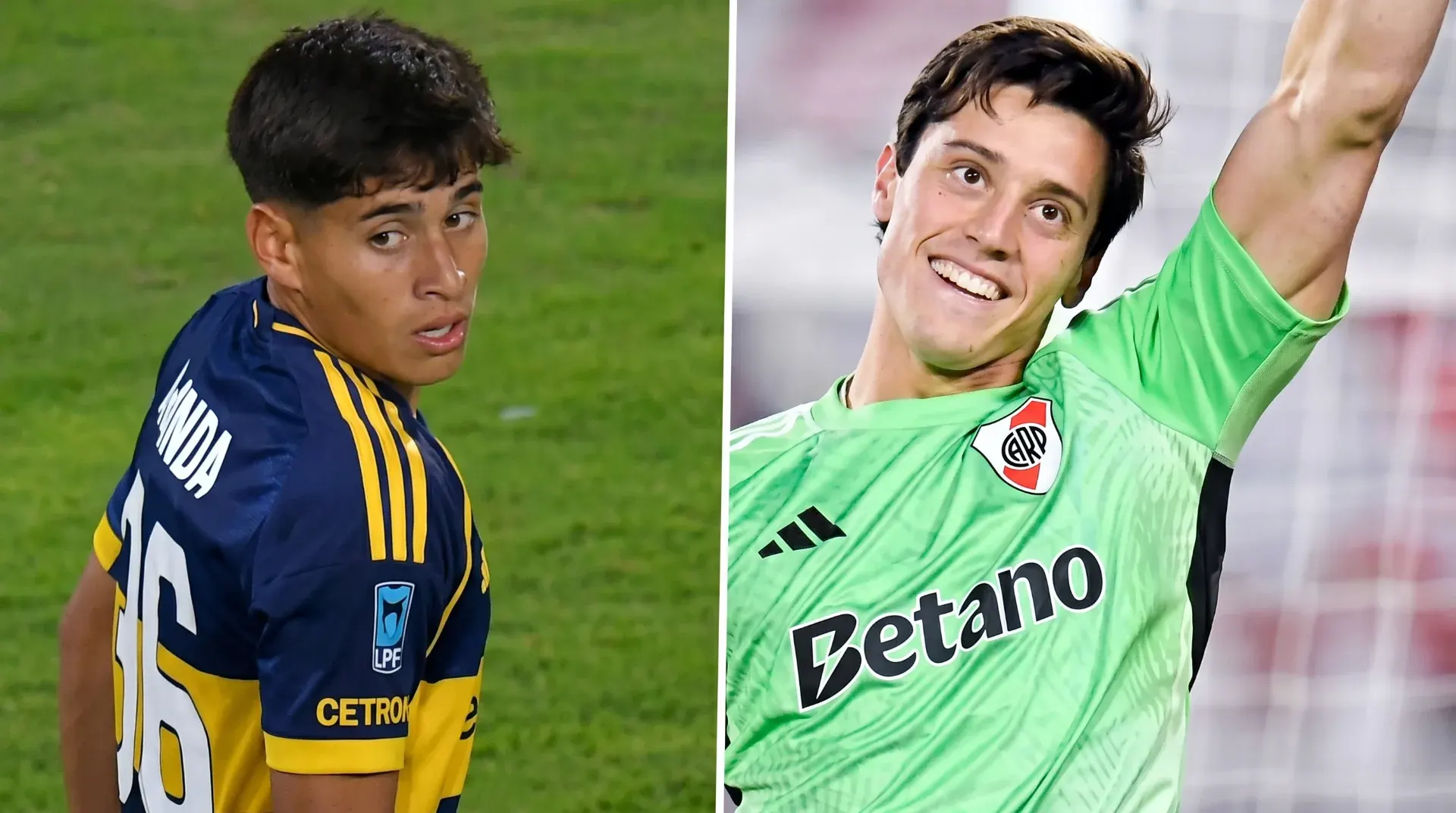
Santiago Beltrán — 21, River Plate's goalkeeper. 1.91 metres, left-footed. The night before the list dropped, he became the most talked-about young keeper in the country.
In the Apertura round of 16, on May 10, River drew San Lorenzo 1-1 in regular time. Marcos Acuña smashed in the equaliser with a volley off an exquisite Quintero assist. In extra time, San Lorenzo went ahead through a Fabricio López header. River looked dead and buried. And then Quintero — always Quintero — popped up with an agonising goal off the very last play of the second period of extra time. 2-2. Penalties.
The shootout? Absolute madness. San Lorenzo had three match points — three separate moments where one kick would've put them through. Galoppo missed. Páez blazed it into the back of the Monumental's stand. Perruzzi skied his over the crossbar. And in between — Beltrán. Two decisive saves — first from Gregorio Rodríguez, then the killer stop on Mathías De Ritis. River through 4-3. A star was born.
His inclusion in the 55 is his first ever senior call-up. Will he make the final 26? Tough — Dibu Martínez, Rulli and Musso are all ahead. But Scaloni's message is clear: this kid is in the long-term plans. He studies economics at the University of Buenos Aires, arrived at River at nearly 18 without going through a formal AFA youth academy, and now he's on a World Cup preliminary squad. You couldn't make this stuff up.
Tomás Aranda — Boca's kid, one of the breakout names of the Argentine season. Scaloni praised him personally: "He's a very interesting player and a great emergence."
Mateo Pellegrino — a forward at Parma in Serie A. Never been called up before. More depth for the squad.
WHO GOT LEFT OUT — AND WHY IT HURTS
The list tells a story through the absences too.
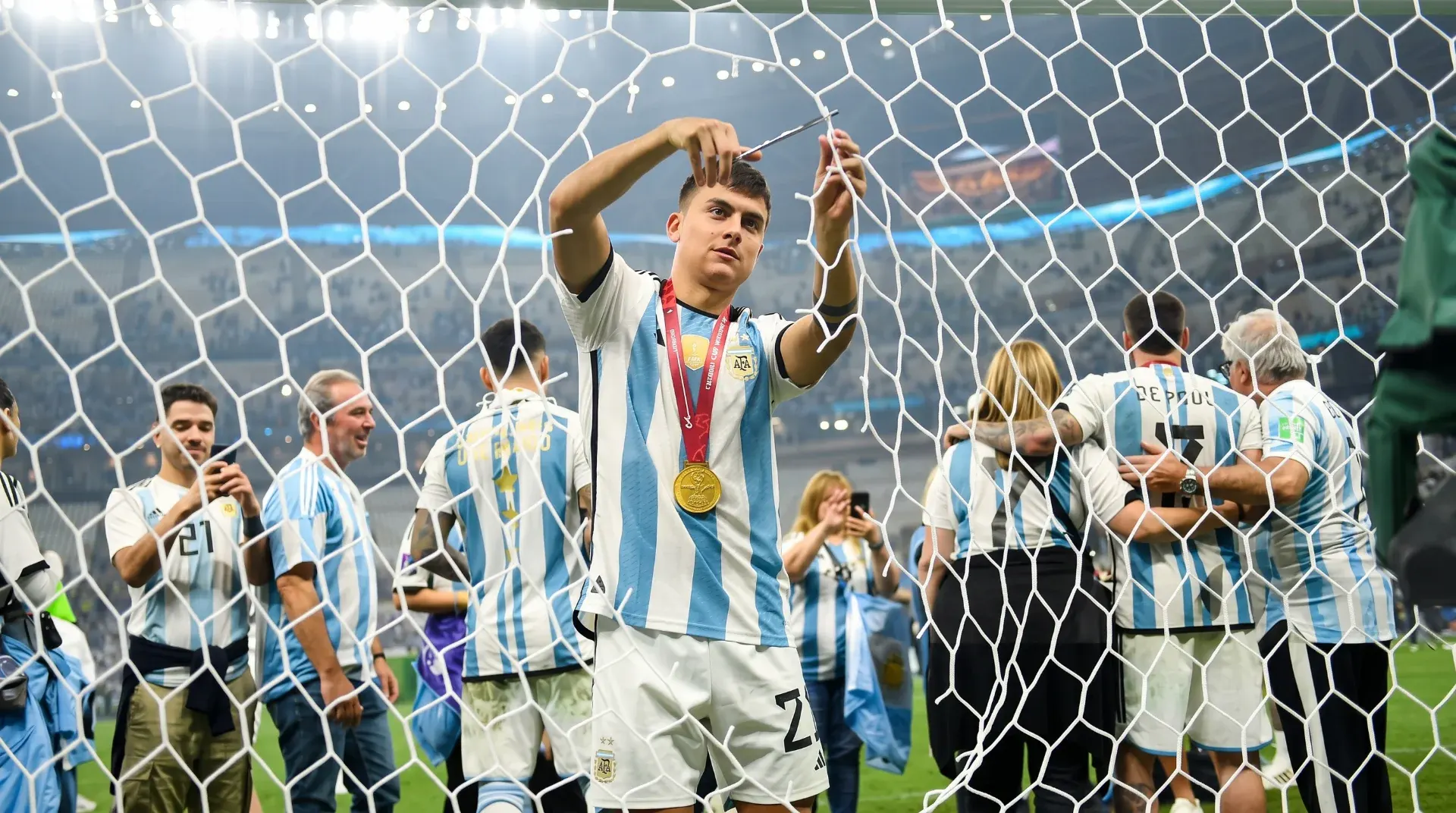
Paulo Dybala — La Joya, once a central figure in the national team, didn't make it. 40 caps, four goals, a World Cup winner's medal. But an injury-wrecked season and meniscus surgery that wiped out nearly three months cost him his spot. That one stings.
Valentín "Taty" Castellanos — West Ham's striker, who'd earned minutes in qualifying — also left out.
Six 2022 World Cup champions from Qatar are missing entirely. The generation that lifted the trophy in Lusail is being phased out in black and white. The new wave has arrived.
And the new wave is making noise. Alejandro Garnacho (Chelsea), Matías Soulé (Roma), Claudio Echeverri (Girona), Franco Mastantuono (Real Madrid) — all in. Gianluca Prestianni (Benfica) too, despite a worldwide UEFA ban for racist and homophobic insults aimed at Vinícius Júnior in the Champions League. If he goes to the World Cup, he misses the first two matches. Scaloni backed him anyway.
The domestic league's presence? Stronger than expected. Six River Plate players on the list: Beltrán, Montiel, Martínez Quarta, Pezzella, Acuña and Aníbal Moreno. Four from Boca: Di Lollo, Paredes, Delgado and Aranda. Gabriel Rojas from Racing rounds out the local representation.
THE BALANCING ACT — KIDS VS CHAMPIONS
The list screams one message at least: the "europibes" are grabbing the wheel.
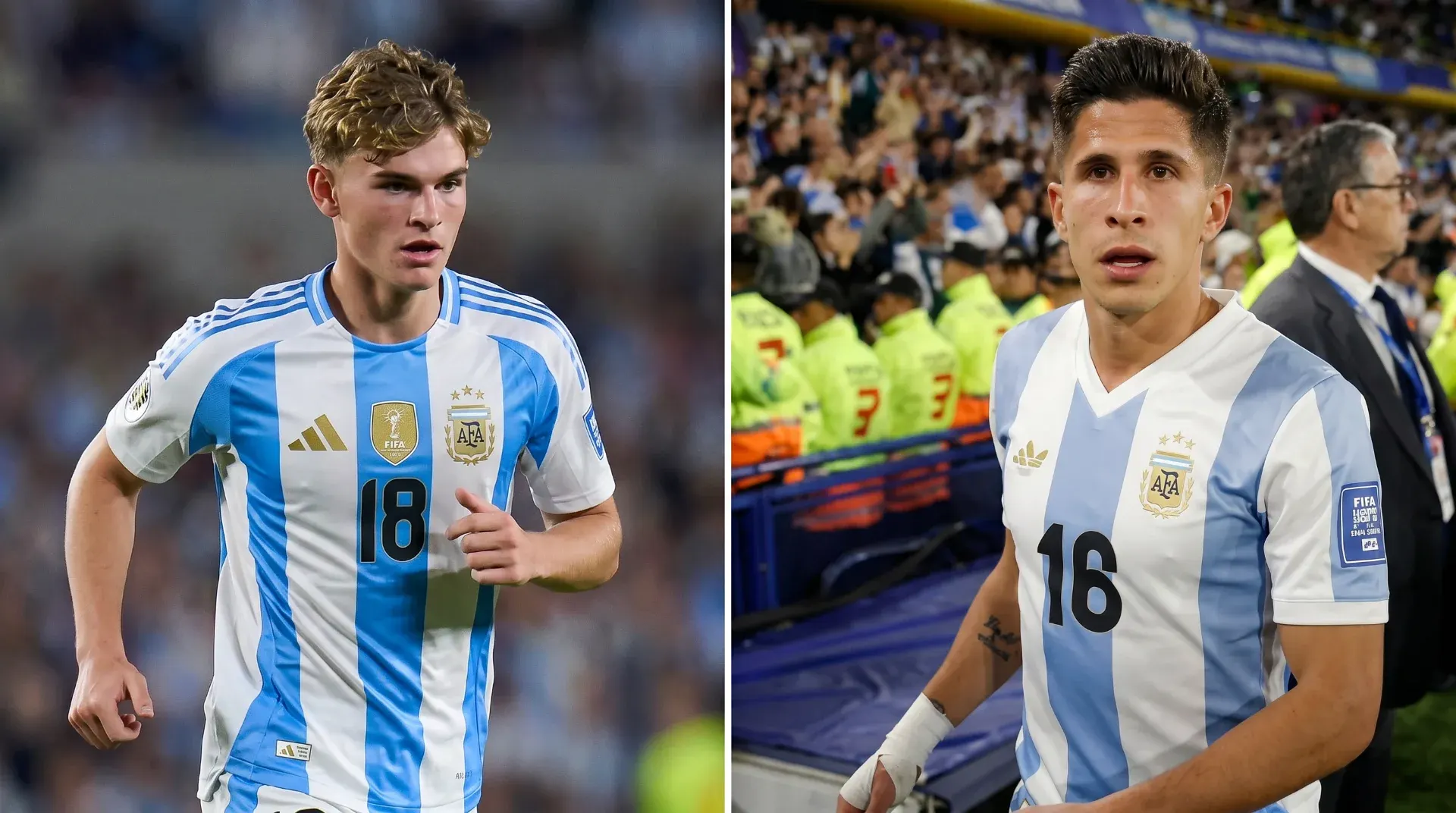
Nico Paz — 21, outstanding season at Como, Real Madrid academy graduate. One of Scaloni's surest picks.
Giuliano Simeone — playing regularly at Atlético under his father's watch. Functional, tireless, exactly the profile Scaloni loves.
Garnacho — moved from Manchester United to Chelsea. 21, massive future, but limited minutes in the final stretch.
Mastantuono — 18, left River for Real Madrid in a record deal. His first season at the Bernabéu has been bumpy — a period of adaptation, ups and downs. Struggled to settle, but he's in.
On the other side — the Qatar spine. Paredes, De Paul, Mac Allister, Enzo, Julián Álvarez. The structure holds. But not everyone's arriving in peak form.
De Paul is at Inter Miami now. MLS. "He'll always be a national team player" — but the competitive level of that league compared to Europe sits a fair distance below.
Enzo Fernández — sensational season at Chelsea, five trophies in two years, despite the fallout from the racist chanting scandal at the 2024 Copa América.
Julián Álvarez — 10 Champions League goals in 15 matches this season. A phenomenon. But he's barely played in La Liga over the last month, with a transfer saga swirling in the background — Barcelona, Arsenal, PSG, all circling.
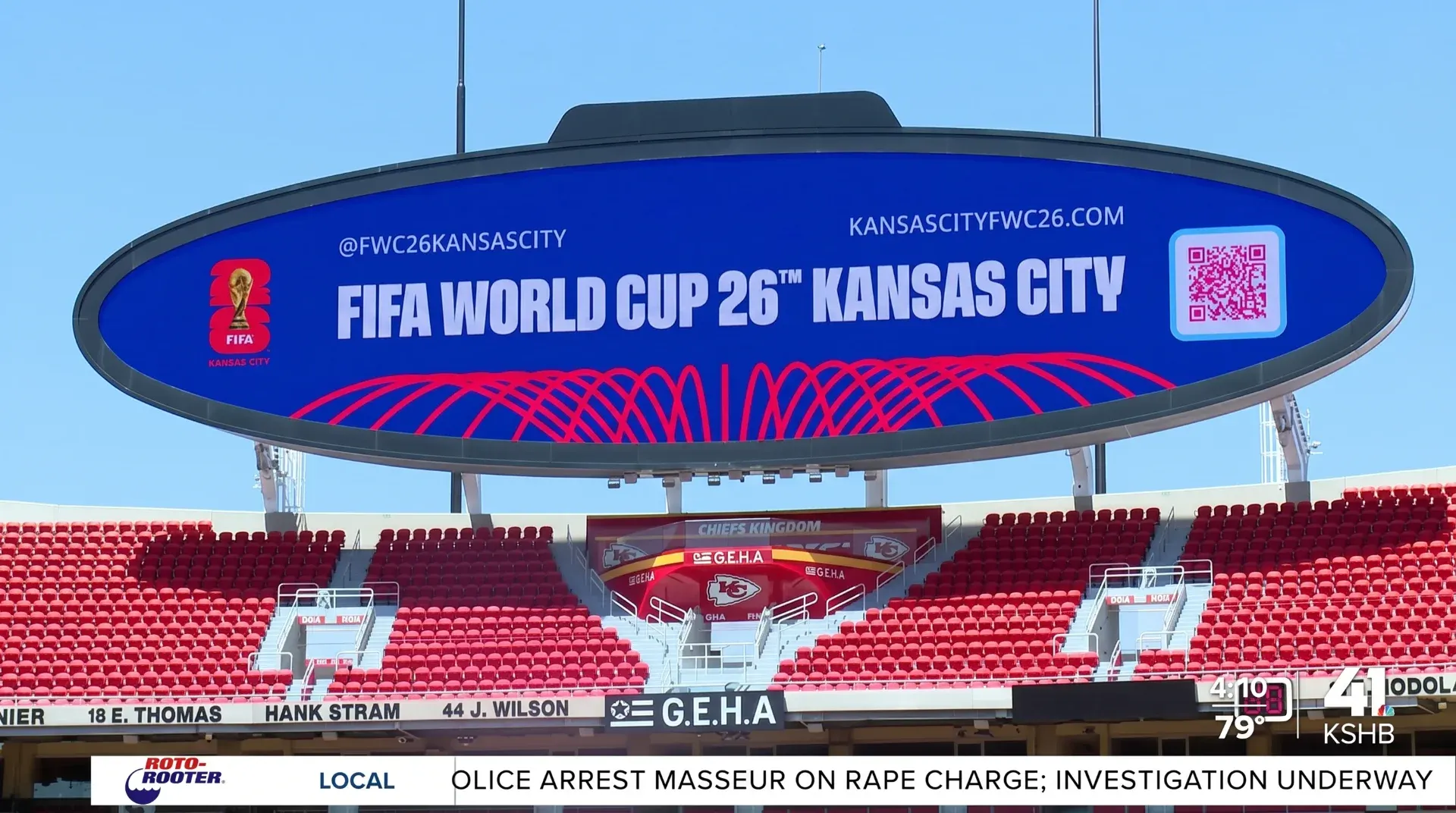
GROUP J — ALGERIA, AUSTRIA, JORDAN
Argentina landed in Group J. Three opponents, three different exams.
Tuesday, June 16 — Algeria (Arrowhead Stadium, Kansas City, 10pm Argentine time). African class. Riyad Mahrez — the left-footed magician from Al-Ahli, former Manchester City — is 35 but still the team's technical heartbeat. Plenty of dribbling, plenty of pause, plenty of combination play. The first test comes against the group's most pedigreed opponent.
Monday, June 22 — Austria (AT&T Stadium, Dallas, 2pm). Pure European discipline. Ralf Rangnick and his gegenpressing system — high intensity, rapid recovery, constant suffocation. Tactically the most organised side in the group. If Argentina have problems against Algeria, this is where things get seriously hot.
Saturday, June 27 — Jordan (AT&T Stadium, Dallas, 11pm). World Cup debutants. A country of 11 million, qualifying for the first time in their history. Argentina are heavy favourites, but the "nothing to lose" energy is always dangerous.
And keep an eye on the round of 16 draw: if Argentina top the group — the clear objective — they'd face the runner-up of Group H. That group? Spain, Uruguay, Saudi Arabia and Cape Verde. Translation: Spain or Uruguay waiting at the knockout door. That's where everything changes.
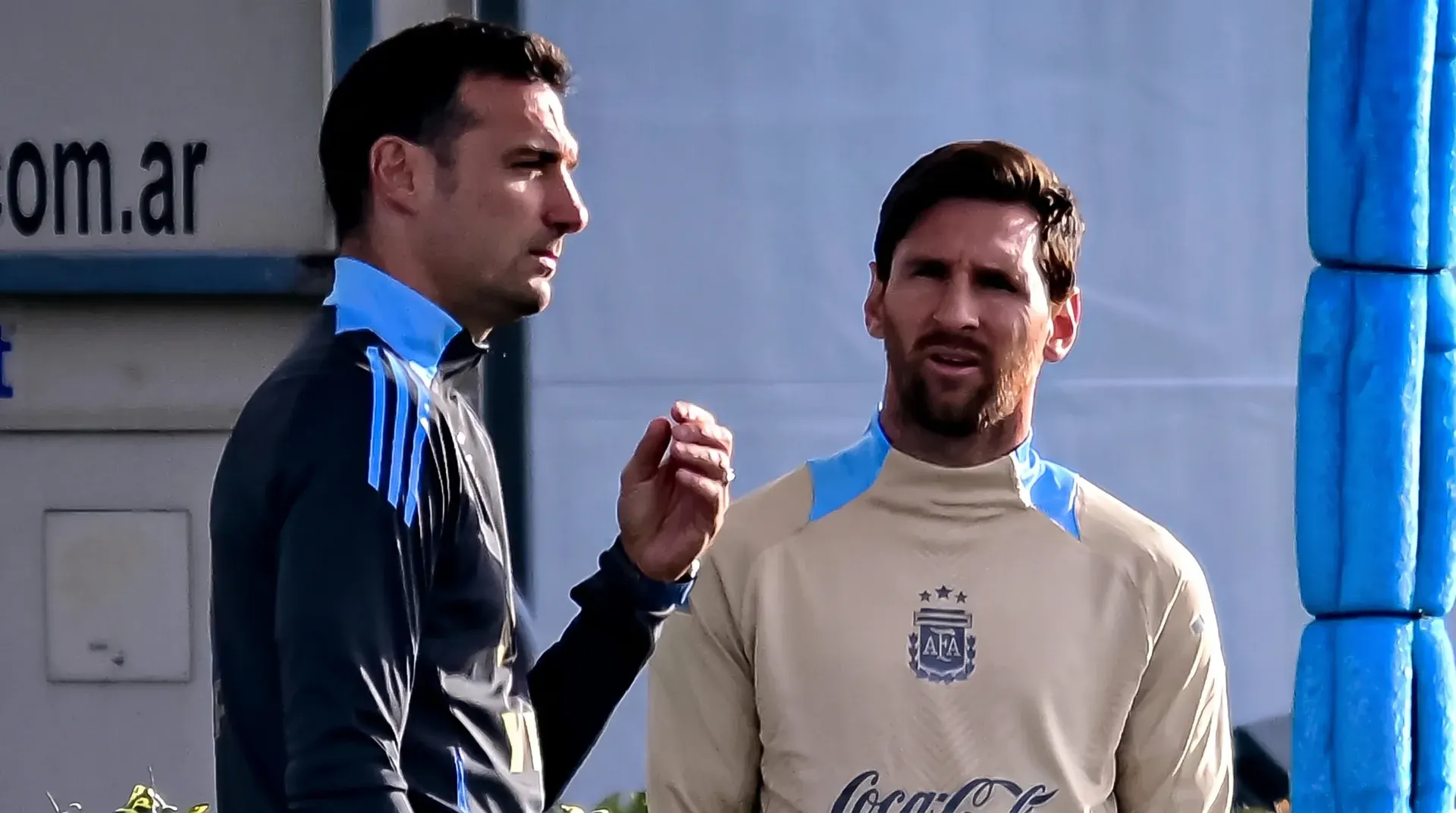
MESSI — ON THE EDGE OF 39, STILL NO ANSWER
And at the centre of everything — the man without whom no Argentina story is ever complete.
Lionel Messi is on the 55-man list. But whether he's playing his sixth World Cup — he still hasn't said so publicly.
His start to the Inter Miami season came late. Even so, he's been playing full 90s and, in ESPN's words, "his scoring ability remains intact." He's still Messi, regardless of the calendar.
On June 24 — between the second and third group matches — he turns 39. If Argentina reach the final, he'd be a World Cup finalist at 39. Uncharted territory. No player has ever done it at this level.
Scaloni's dilemma is clear: does he start him? Hold him back for the bench? Spread his minutes across the three group games? Scaloni himself called it "a genuine secret." Even he doesn't have the answer locked in.
And one fact gives the whole picture its weight: in their last 12 matches, Argentina haven't faced a single team from FIFA's top 20. Angola, El Salvador, Curaçao, Indonesia, Zambia. The Finalissima against Spain — which would've been a proper exam against a Champions League-calibre nation — got cancelled. Argentina are arriving at the World Cup without having tested themselves against anyone from the top tier since Qatar. At a World Cup, that can come back to bite you.
THE CLOCK DOESN'T STOP
The champions are heading to North America. Messi — probably — with them. But how ready they really are for a serious fight? That answer only arrives on June 16 in Kansas City, when the referee blows the first whistle.
Just five weeks to go. Two friendlies first — Honduras on June 6 in Texas, Iceland on June 9 in Alabama. Then the opener. Then 64 years of a curse waiting to be broken.
Does La Scaloneta have what it takes? Can they put Argentina in the history books?
The countdown is on. And the ball — as always — will have the last word.