The FIA has agreed a package of changes to Formula 1's 2026 regulations, set to take effect from the Miami Grand Prix on May 1-3 (pending final World Motor Sport Council approval, considered a formality). The two main objectives: improving driver safety and producing more "flat-out driving."
Why the Rules Are Changing
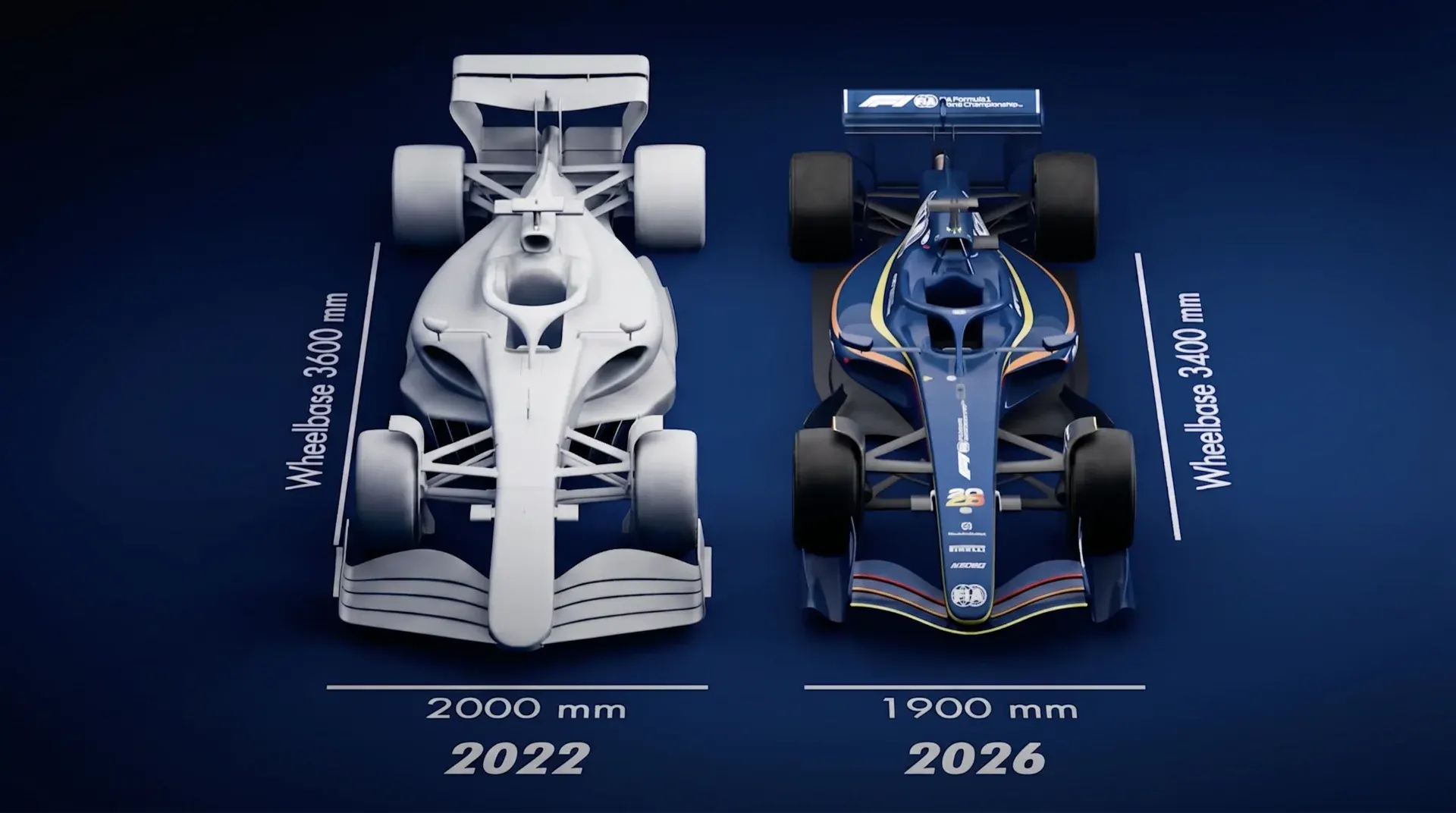
The 2026 regulations are widely considered the biggest single change in F1 history. New power units split electrical and combustion power 50/50, paired with new chassis. But after just three races — Australia, China, and Japan — problems became evident.
In qualifying, drivers were forced to lift off the throttle and coast to save energy, instead of driving flat out. The new regulations also introduced a phenomenon called "superclipping" — where cars suddenly lose top speed even with the throttle pinned, because the engine is diverting power to recharge the battery. The result: cars slowing despite the driver demanding full speed, and racing that drivers and fans struggled to recognise.
The schedule itself has also played a role. The cancellation of the Bahrain and Saudi Arabian Grand Prix rounds because of conflict in the Middle East created an extended gap between Japan (March 29) and Miami (May 1-3) — and that gap gave the FIA, the teams, and the engine manufacturers room to redesign the rules mid-season.
Bearman's Crash and the Safety Crisis
The defining moment came at the Japanese Grand Prix on March 29, 2026.
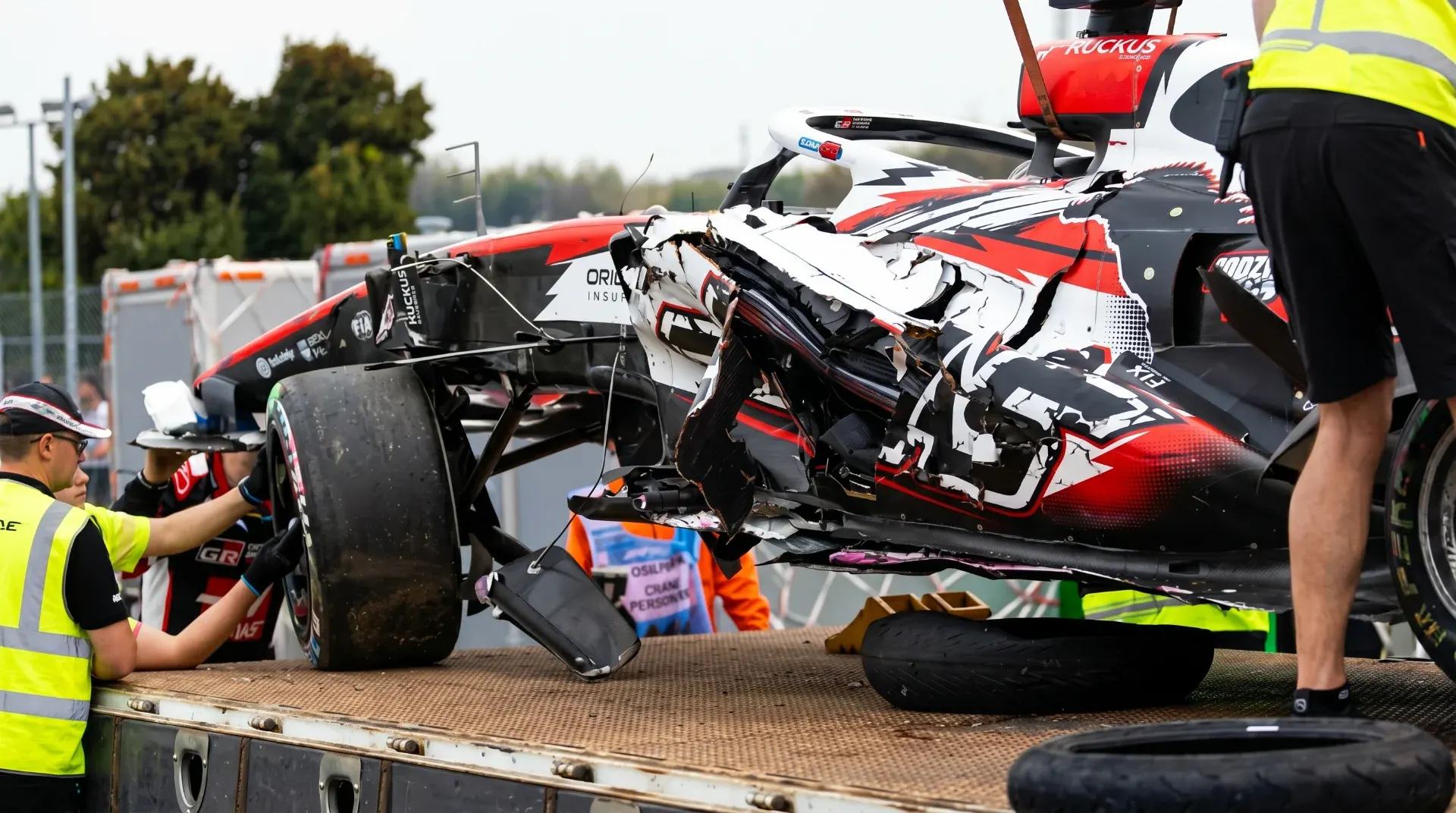
On lap 22 at Suzuka's Spoon Curve, Haas's Oliver Bearman approached Franco Colapinto's Alpine at full throttle. Colapinto was in energy harvesting mode and effectively running on internal combustion alone. Bearman wasn't. Within a heartbeat, the speed differential between them reached 45-50 km/h.
Travelling at 308 km/h, Bearman tried to take avoiding action, ended up on the grass, lost control, and slammed into the barriers at a 50G impact. He walked away with only a bruised knee — but the message was unmistakable. McLaren team principal Andrea Stella had warned about closing-speed risks all the way back in pre-season testing in Bahrain.
Verstappen's Threat, Norris's Disappointment, Hamilton's Joy
The driver reactions to the new rules have split the grid.
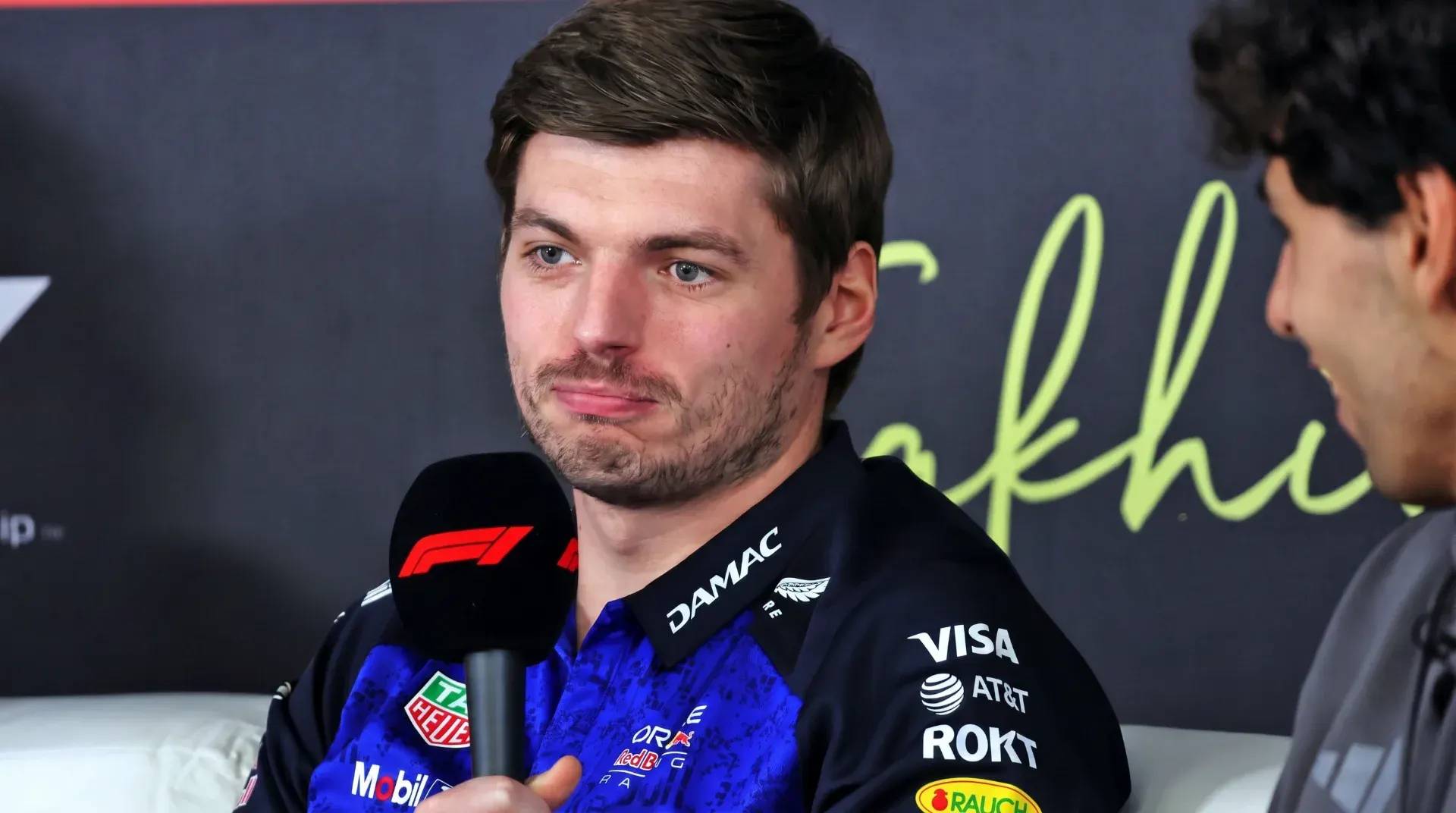
Four-time champion Max Verstappen has been the loudest critic. He has called the cars "anti-racing," compared the new format to Mario Kart, and described it as Formula E "on steroids." Verstappen has even suggested he is considering walking away from the sport altogether.
Reigning world champion Lando Norris said the cars are "not what he and his peers grew up dreaming of racing once they reached Formula 1."
Seven-time champion Lewis Hamilton, on the other hand, said he has never had more fun racing in F1.
The FIA listened to both camps — and to the GPDA, with Williams' Carlos Sainz playing a leading role in driver-FIA meetings.
What Changes in Qualifying
* Maximum permitted recharge reduced from 8MJ to 7MJ — drivers spend less time harvesting and more time at full throttle. Target: maximum superclip duration reduced to approximately 2-4 seconds per lap.
* Peak superclip power increased from 250kW to 350kW — faster recharging, less time in superclip. (This change applies in race conditions too.)
* Lower-energy-limit events expanded from 8 to 12 races — the FIA can now tailor the recharge limit to half the calendar, adapting to circuit characteristics.
What Changes in Racing
* Boost capped at +150kW in race conditions (or the car's current power level at activation if higher) — limiting sudden performance differentials between cars.
* MGU-K deployment maintained at 350kW in key acceleration zones (corner exit to braking point, including overtaking zones), but limited to 250kW in other parts of the lap. The goal: preserve overtaking opportunities while reducing dangerous closing speeds — exactly the kind that put Bearman into the barrier.
The New Start System
A new "low power start detection" system will be trialled in Miami. If a car shows abnormally low acceleration after clutch release, automatic MGU-K deployment will be triggered to ensure a minimum level of acceleration — designed to ensure safety without introducing any sporting advantage. Affected cars will display flashing rear and lateral lights to alert following drivers.
A reset of the energy counter at the start of the formation lap has also been implemented to correct a previously identified system inconsistency.
Wet Conditions
* Tyre blanket temperatures for intermediate tyres increased, following driver feedback, to improve initial grip on wet surfaces.
* ERS deployment reduced in wet conditions — less torque, better car control in low-grip situations.
* Rear light systems simplified for clearer visibility in poor conditions.
What's Next
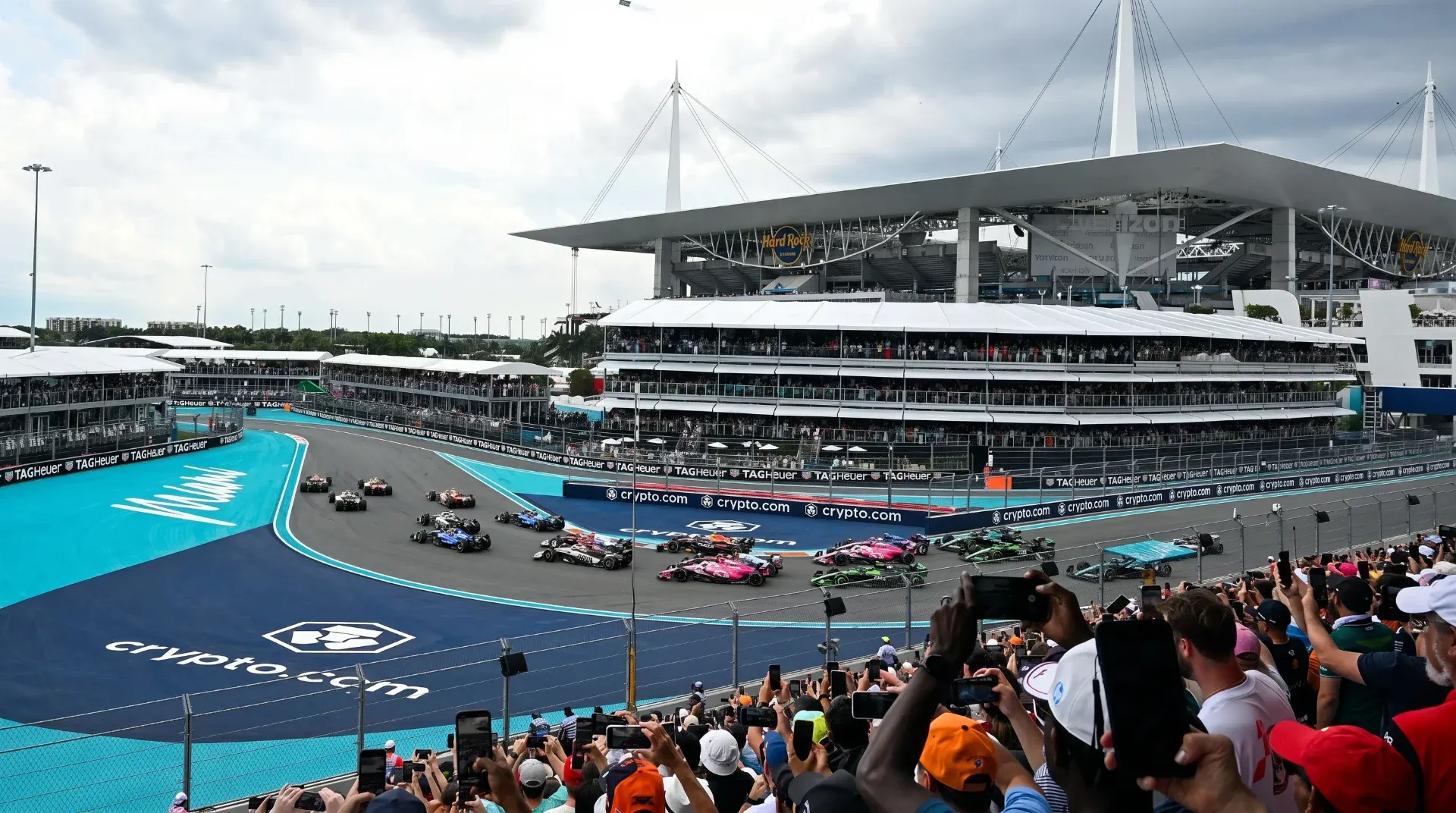
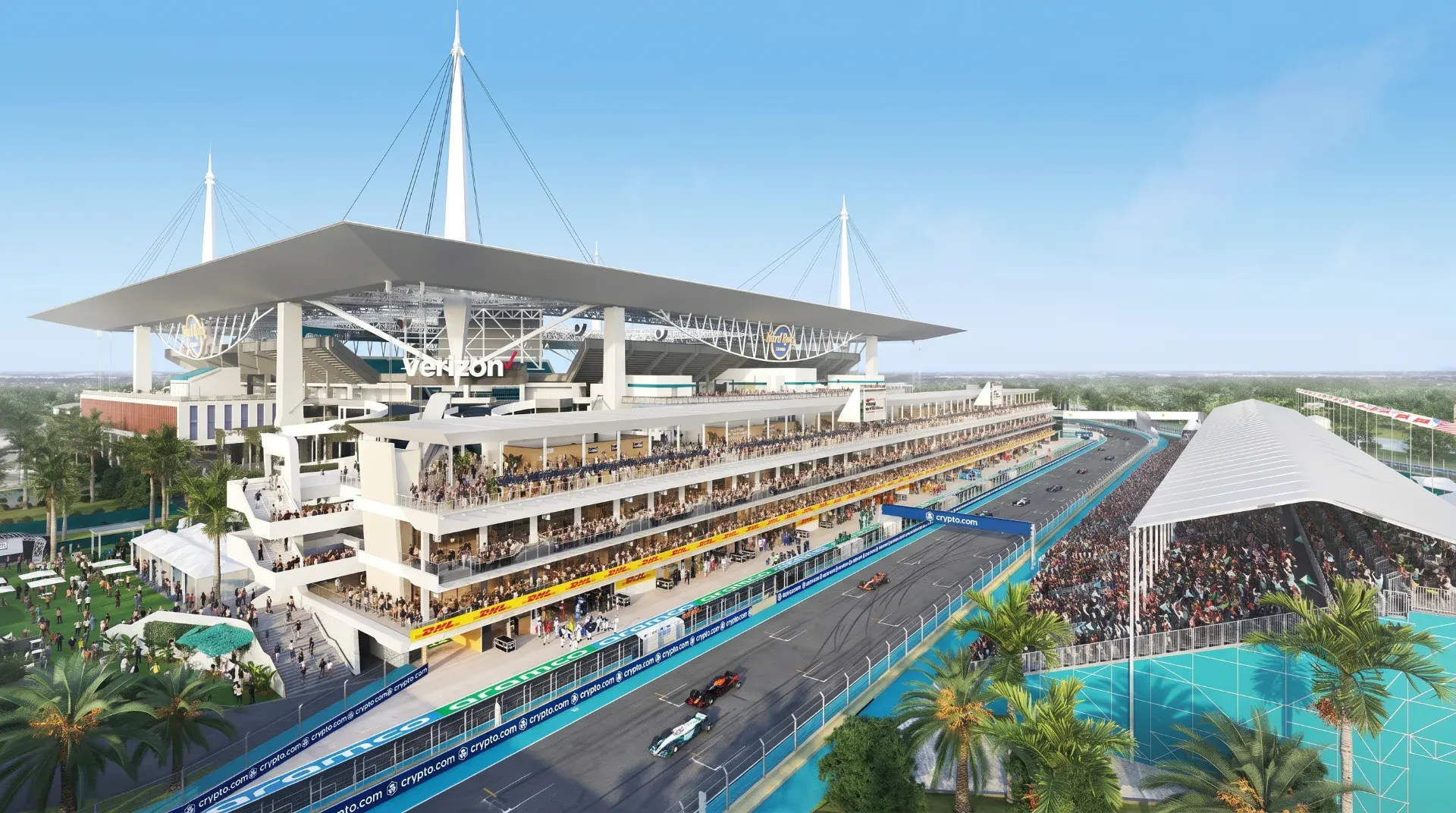
Formula 1 returns on May 1-3 with the Miami Grand Prix — the season's second Sprint weekend. This is where the new rules will be put to the test. Whether they restore "flat-out driving" — and whether they prevent another Spoon Curve moment — will define the rest of the 2026 season.