


Spain's grip on the World Cup final tightened until it bordered on the absurd, their possession in spells climbing to a barely believable 90 per cent. In the punishing heat of the MetLife Stadium, the match became a game of tactical chess from the first whistle, and Lionel Scaloni staked everything on pragmatism and shutting his opponents down. Argentina built their entire plan around Barcelona winger Lamine Yamal. The teenager arrived at the final at barely 30 per cent of his best, yet his threat loomed so large that Scaloni reshaped his side purely to contain him. For all the criticism that Spain's style smothers opponents and drains the life out of a game, it was their philosophy that ruled the pitch, while Argentina looked content simply to survive to a penalty shootout.
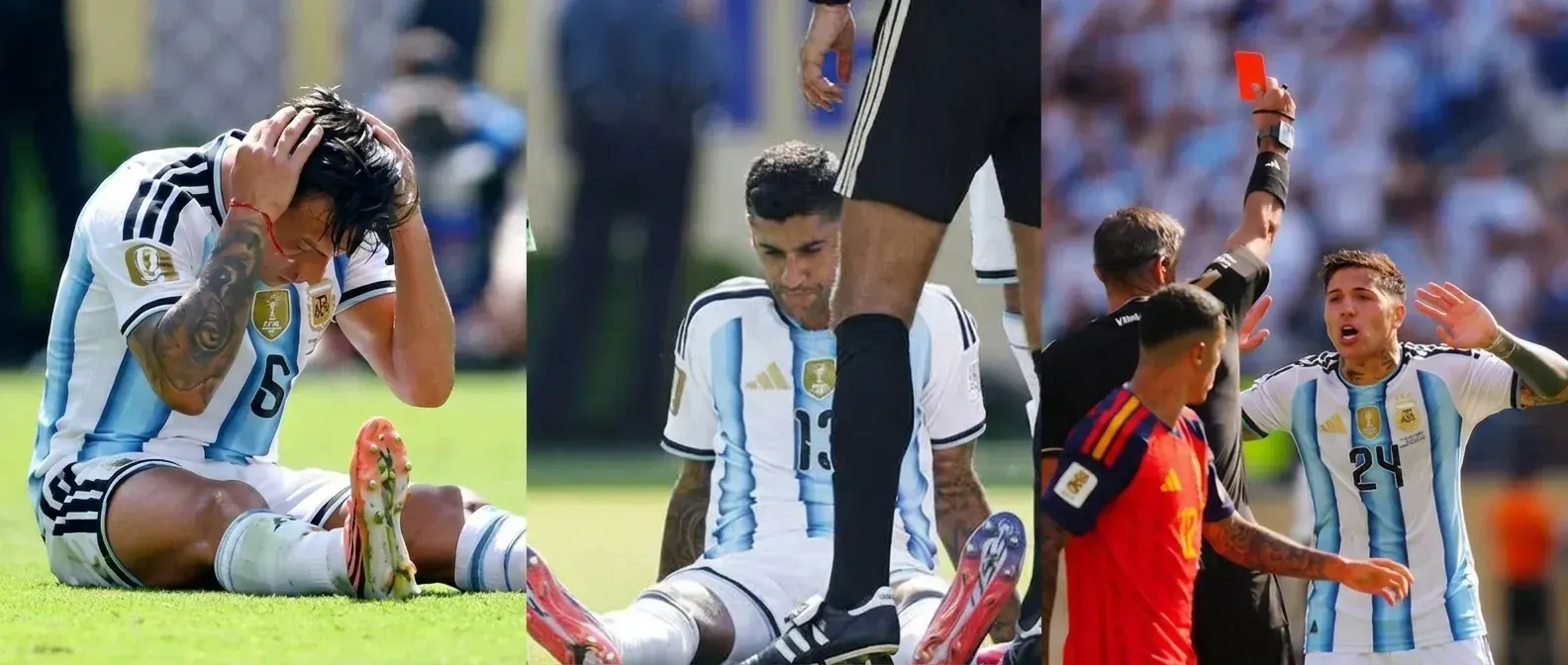
The sporting fortune that had followed Argentina so faithfully finally ran dry in New York. Scaloni's plan was wrecked by two cruel injuries: losing both central defenders at once emptied his options and made it physically impossible to send on Lautaro Martinez. Then came Enzo Fernandez's red card, an absolutely "stupid" dismissal, as it was branded, that left Argentina a man short in extra time. The situation slipped beyond control. While the South Americans' nerves frayed, Spain waited, cold and clear-headed, for their chance.
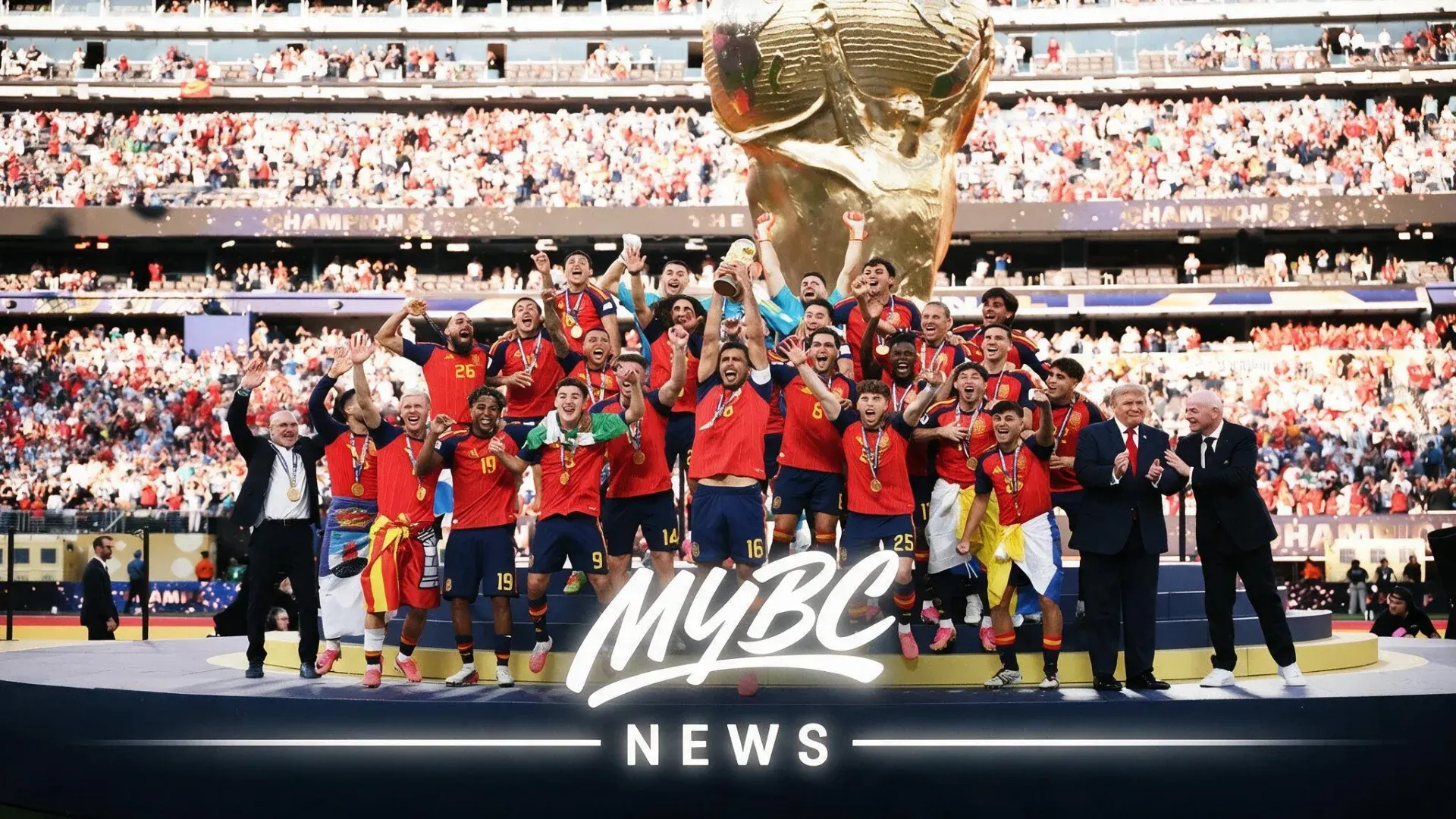
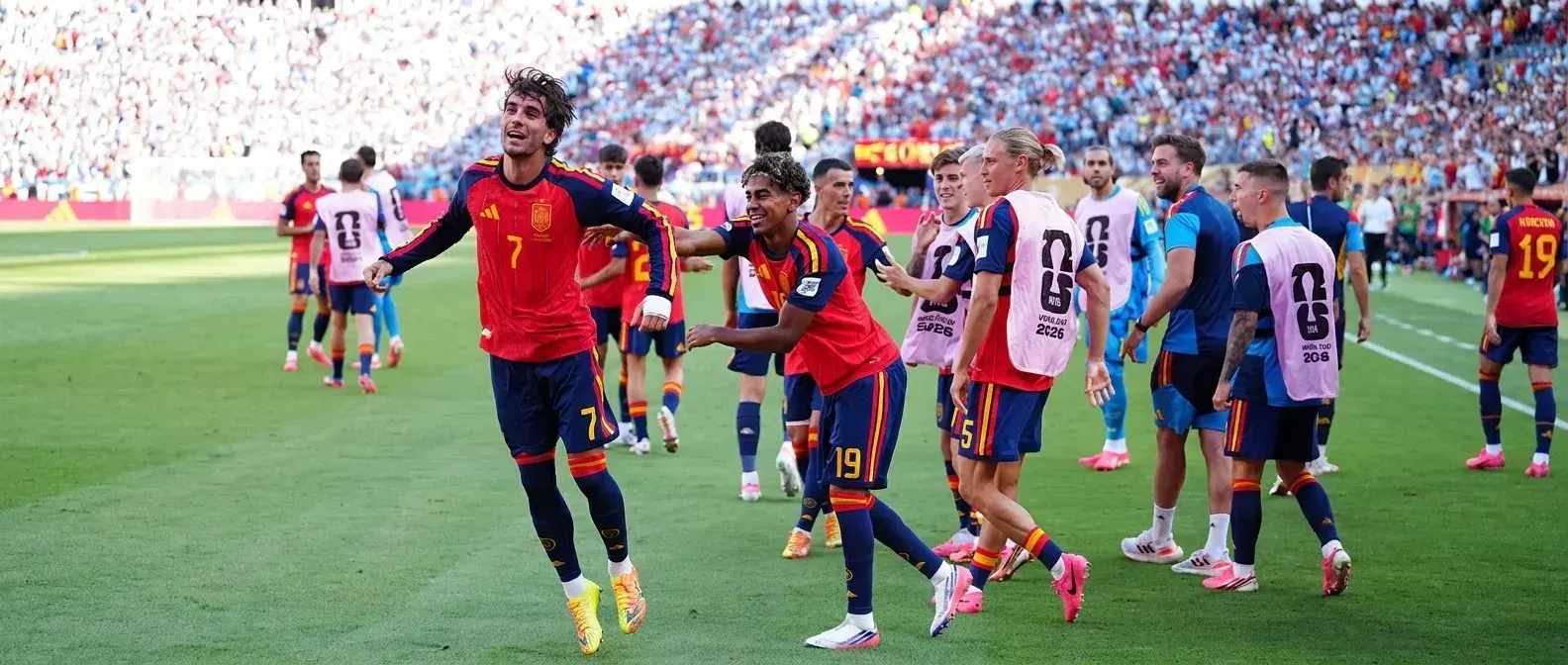
The decisive blow landed in the 106th minute. Ferran Torres, a peripheral figure for the entire tournament, picked his moment and drove the ball into the net. The goal owed something to a lapse from Simeone, who let his focus drift to a knock on his leg and lost his man at the worst possible time — and with it, Argentina's golden dream. Pau Cubarsi's "divine tackle", as many called it, proved the full stop, snuffing out any lingering hope of an equaliser. Spain rewrote history, lifting the trophy for the second time, their first since 2010, and telling the world, in the line that spread everywhere, that "the best team lifted the World Cup trophy".
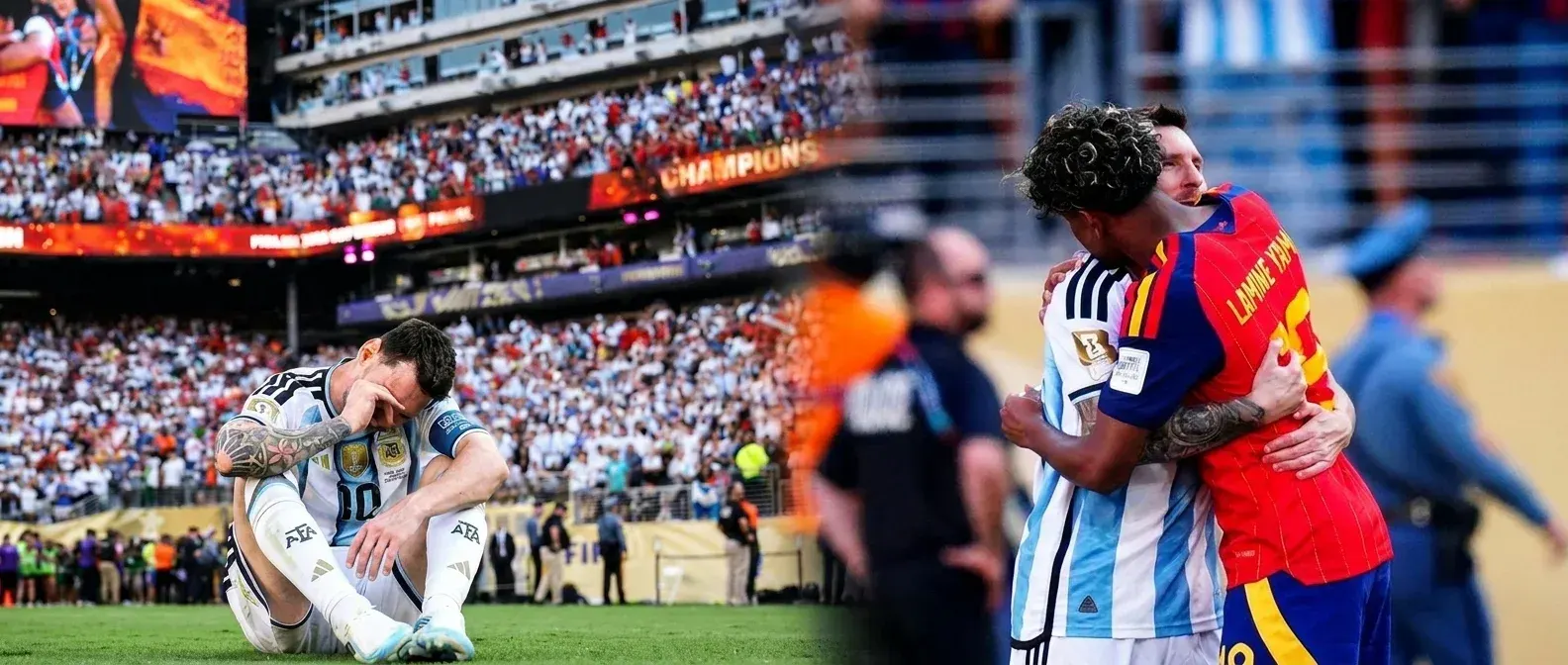
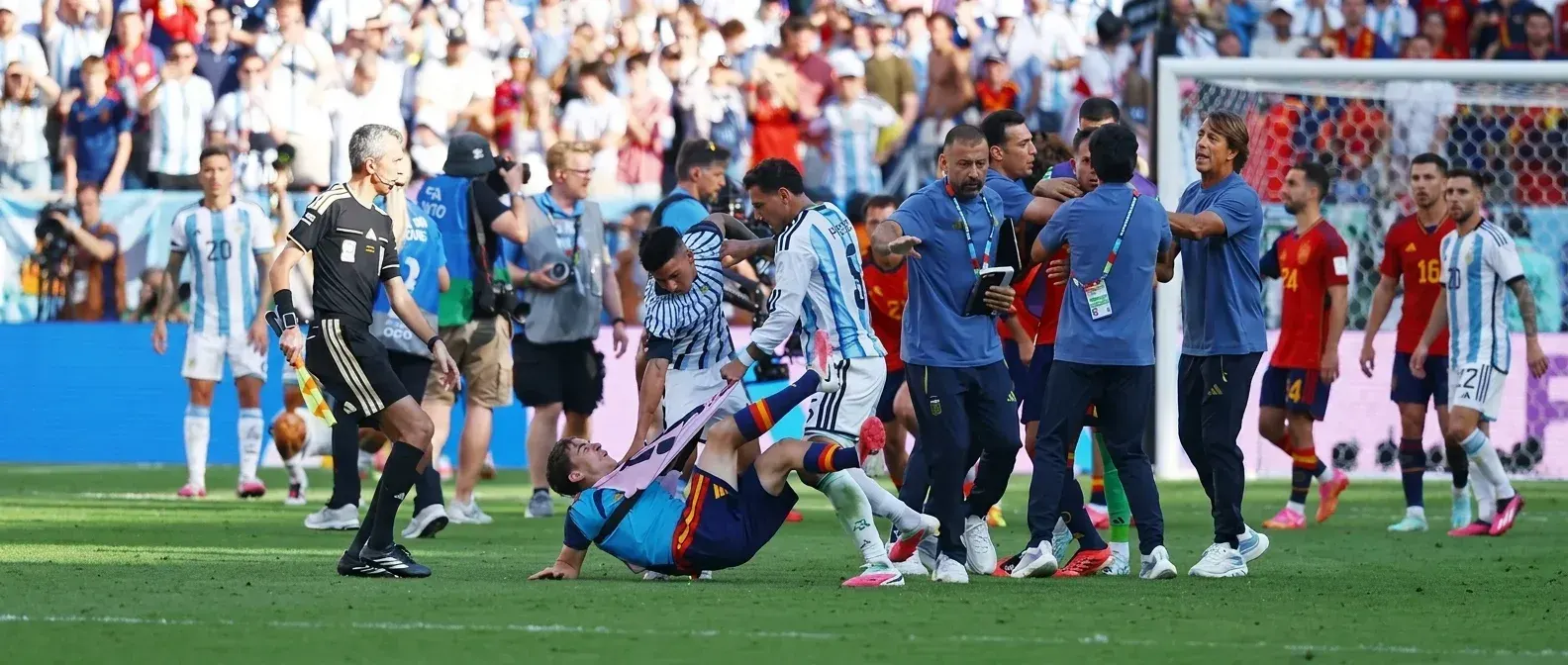
After the final whistle, football's celebration gave way to chaos. Leandro Paredes's "disgusting action" — physically confronting Rodri as the Spaniard walked off to celebrate — became the emblem of the desperate aggression that swept across the pitch. A team that had arrived as heroes left as villains. On social media, a flood of hatred and "fake AI photos" aimed at Messi ran beneath the night's real, tragic image: a weeping legend watching helplessly as his team sank into ugliness. This felt like the end not just of a match but of an era. Yet for all the dirty tricks and the luck that had finally run out, football was the winner at the MetLife Stadium that night. Spanish craft and class proved that true greatness lies not in aggression but in patience — and in love for the game