


Twenty years. That is exactly how long Arsenal have waited to return to the main stage of European football. From Thierry Henry's tears to Mikel Arteta's unbeaten machine. On the other side stands Paris Saint-Germain — a club that shed its European burden last year and now chases something no PSG side has ever done: defend the title. 30 May. Puskás Aréna. The final European football has spent the entire season waiting for.
A Debt to History Against a New Dynasty
Arsenal return to the Champions League final after a 20-year absence. In 2006, at the Stade de France, the club's golden era ended in a 2-1 defeat to Barcelona. This season, Arteta's side have won all eight of their league phase matches — 24 points from 24 — an unprecedented achievement in the competition's new format. A Premier League title claimed after a 22-year wait lends the campaign even greater weight. Victory on Saturday would make the north Londoners the tournament's 25th champions and the first side to complete the new league phase undefeated.
PSG arrive with an entirely different ambition. Following their 5-0 destruction of Inter Milan in 2025, the Parisians hold a historic opportunity to retain the trophy — something only Real Madrid have managed in the modern era of the Champions League. They are contesting consecutive finals. In Budapest, two giants collide — one writing history, the other reviving it.
Arsenal's Steel Against Parisian Fire
The statistics frame this contest as a clash between two radically different footballing philosophies.
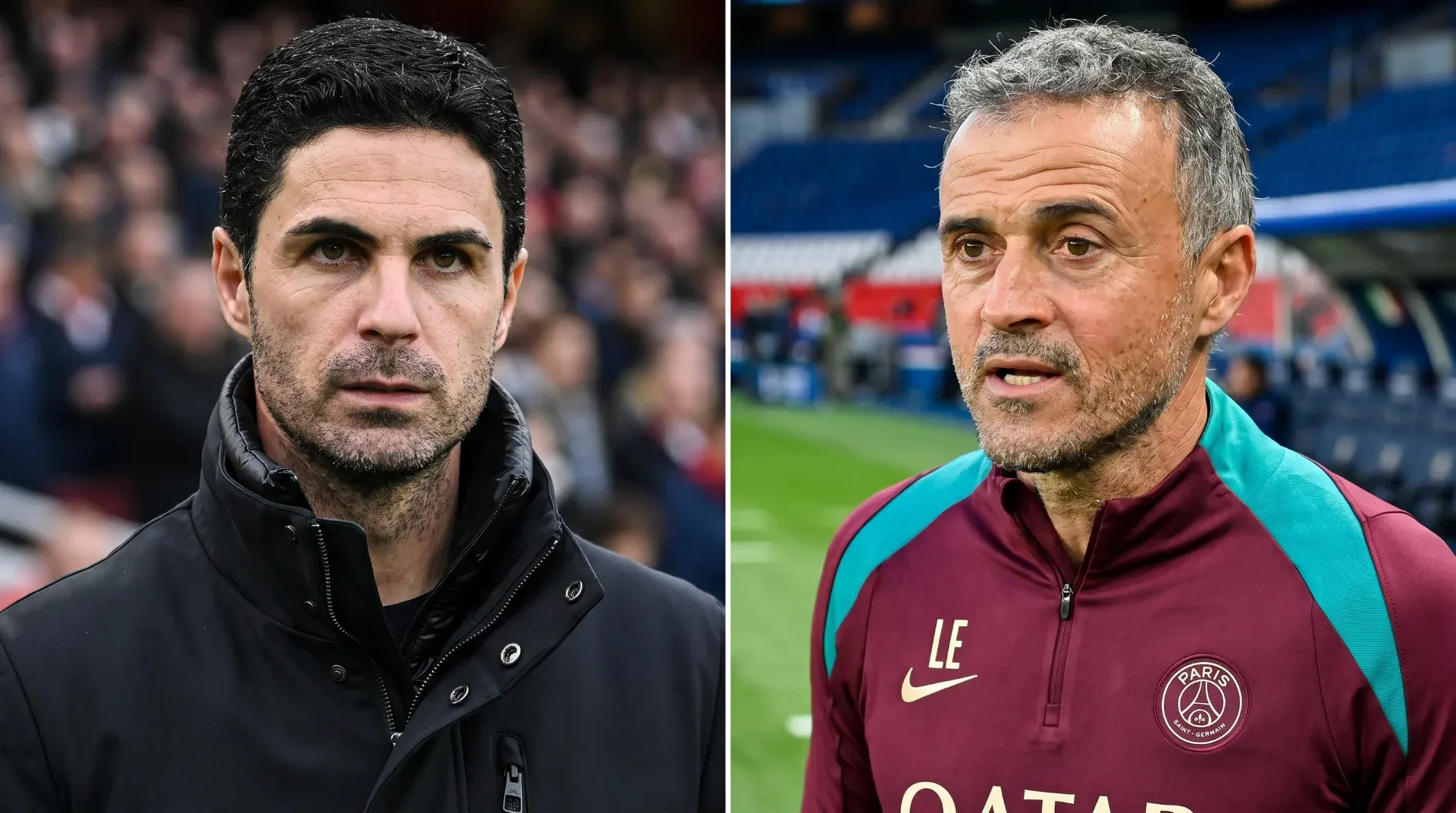
Arsenal have conceded just six goals throughout this campaign and kept nine clean sheets — the most reliable defensive record in Europe. The Spanish manager's system is built on possession and patience. His side cedes territory willingly and waits for the moment to spring the trap.
Paris Saint-Germain speak a different language entirely. Forty-four goals scored. Barcelona's all-time record of 45, set in 1999/2000, stands just one strike away. Luis Enrique's attack has dismantled Liverpool, Chelsea, Monaco and Bayern Munich with the same weapon: relentless pace, positional fluidity and unpredictable movement down the right flank.
That final element is Arsenal's principal tactical concern. Last season, in the semi-final, PSG defeated their opponents 3-1. The picture was straightforward: Ousmane Dembélé's free role and his movement into midfield dismantled Arsenal's 4-4-2 shape within 20 minutes. The answer this time is a 4-2-3-1. Martin Ødegaard drops deep to form a central barrier. Declan Rice operates in the holding midfield role, sealing the spaces. The objective is clear — the French side cannot be allowed to cut through the centre as they did last year.
The final carries one further historical distinction: for the first time in a decisive Champions League fixture, two Spanish managers coaching foreign clubs will face one another. Arteta against Luis Enrique. Two philosophies. One tactical battle. One title.
KVARATSKHELIA: The Face of the Tournament
Beyond all tactical complexity, this season has one central protagonist.
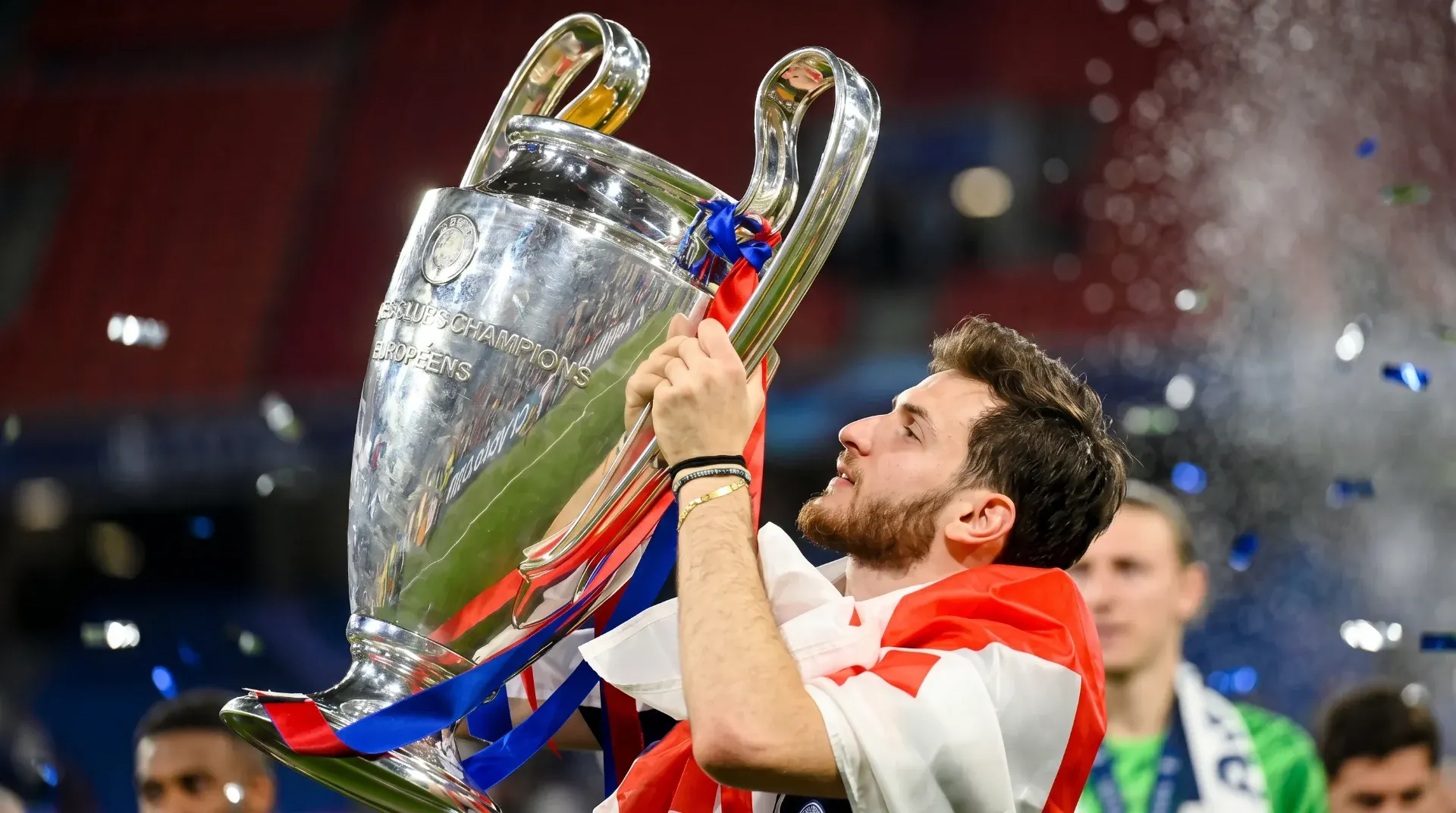
Khvicha Kvaratskhelia. 25 years old. 10 goals. 6 assists. 15 matches.
These figures represent club history. Dembélé's record from last season has already been surpassed. Only Kylian Mbappé has recorded more goal contributions in Europe this season — 16.
The second leg of the semi-final against Bayern Munich offered the clearest illustration of his campaign. Third minute: a pass from Ruiz, Kvaratskhelia's penetrating run, and a goal for PSG. After the match, Nasser Al-Khelaifi told reporters without hesitation: "Watch the closing minutes. Kvara was physically spent, but he never stopped fighting."
Arsenal know that name well. Last season, one of the tournament's outstanding performers systematically took apart the north Londoners' defence. The viability of the new system rests, in large part, on stopping him.
DEMBÉLÉ — From Injury Doubt to the Final's Key Weapon
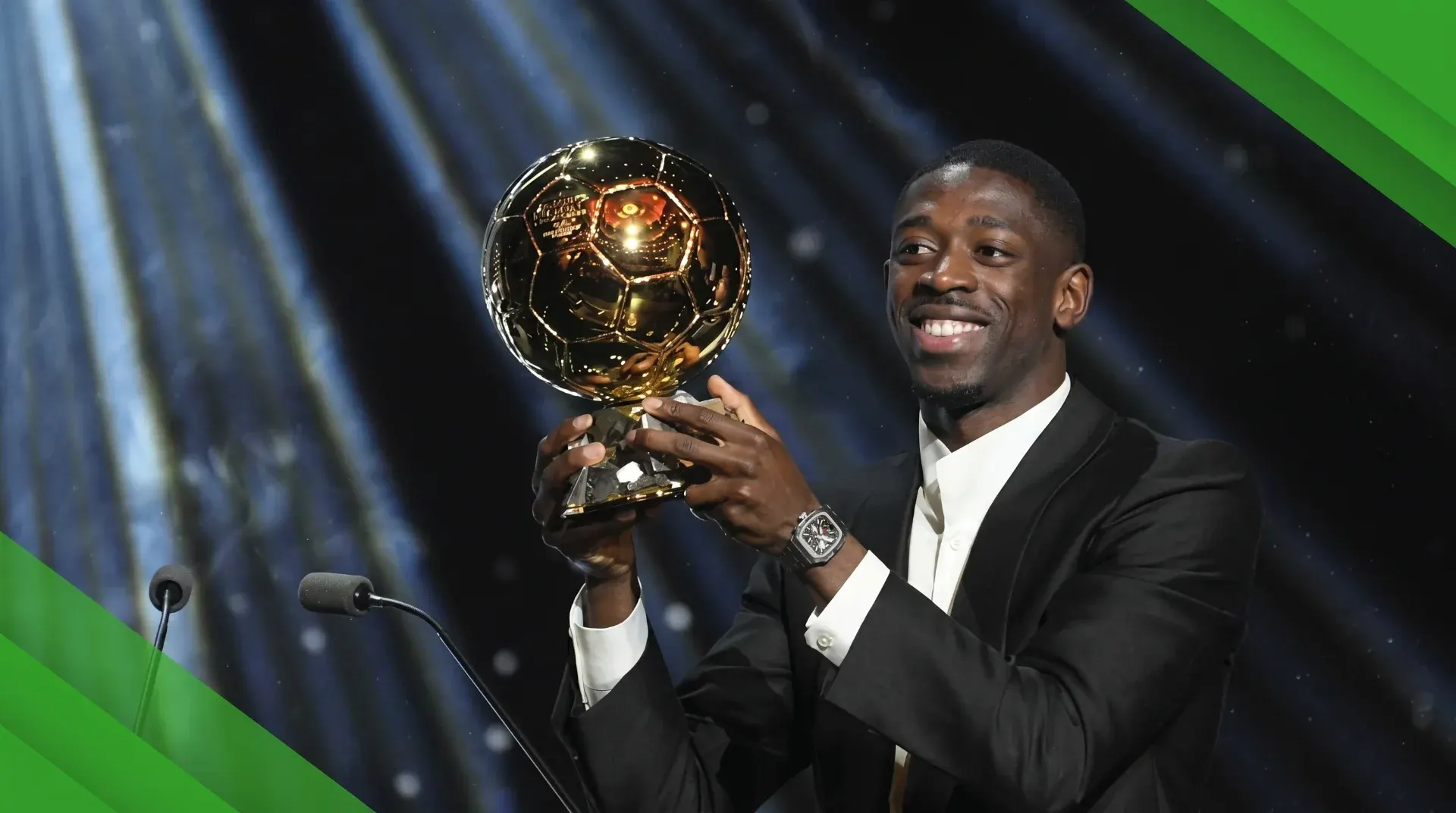
The 2025 Ballon d'Or winner signalled to the bench in the 27th minute of the fixture against Paris FC and went straight down the tunnel. The club's official statement was brief: "He came off as a precaution." Enrique attempted to ease tensions, describing it as nothing more than fatigue. That sequence of events cast a shadow of concern over the French capital for 12 days.
The player himself, however, was unequivocal in his interview with RMC Sport: "I feel great. Will I be 100 per cent ready? Yes — I expect to be in ideal condition for the final."
For Arsenal, that is unwelcome news. Any plan that may have accounted for the absence of their principal adversary now faces its sternest test: both attacking leaders available and ready at the same time.
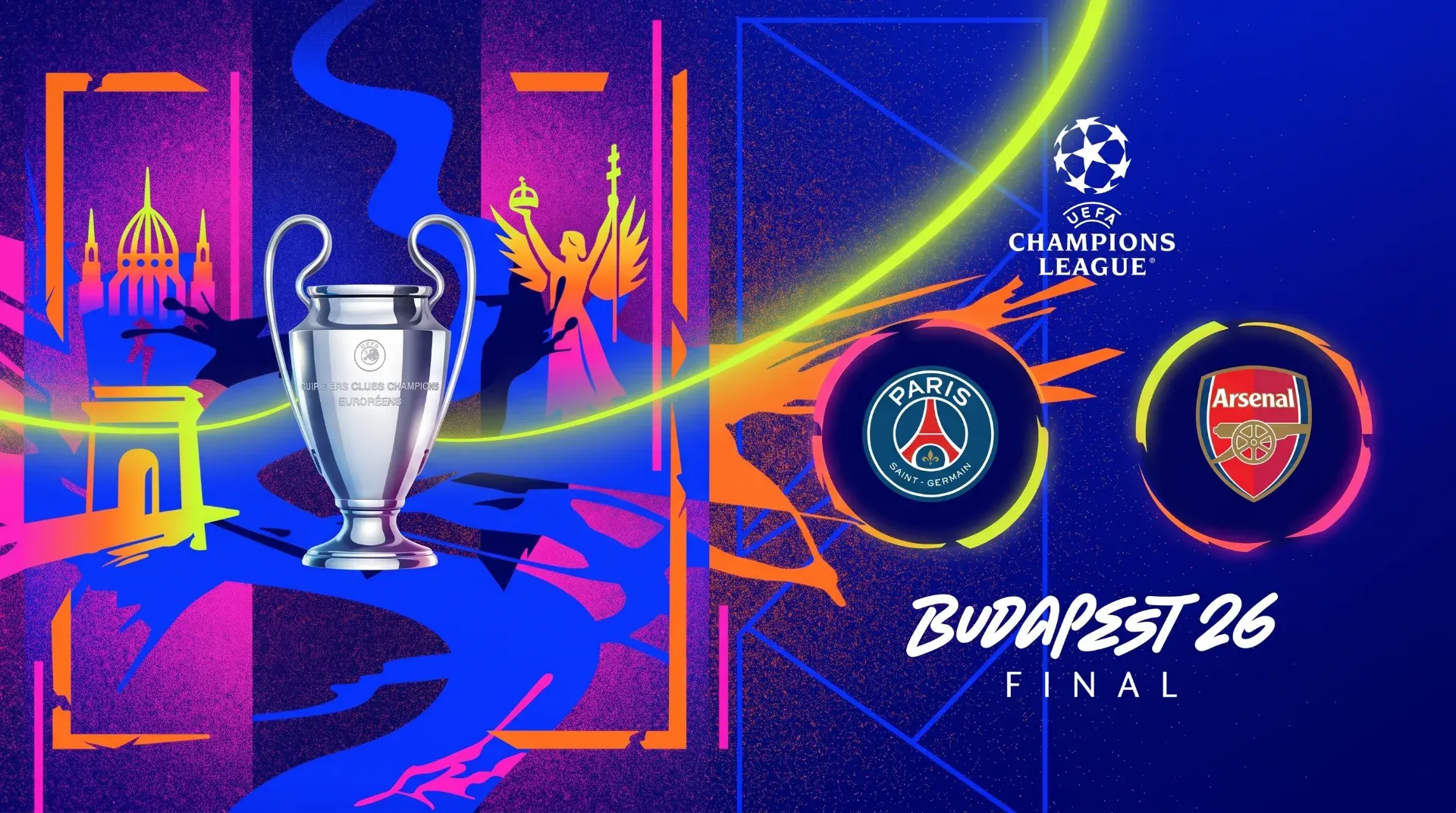
Budapest: A New Chapter
Puskás Aréna. 67,000 supporters. Hungary hosting a Champions League final for the first time in history.
The British allocation stands at 16,824 tickets. For the traditionally grand opening ceremony, The Killers will perform before the crowd.
This night gathers every historical thread into one place. Eight wins from eight matches, a 20-year wait and the ambition of a first European title for a club from England. The opportunity to defend the trophy and a second consecutive final for a club from France. The tournament's defining figure: Kvaratskhelia. The Ballon d'Or holder stepping out from the shadow of injury. Spanish tactical chess played at the heart of Europe.
30 May. Budapest.
History is being written.