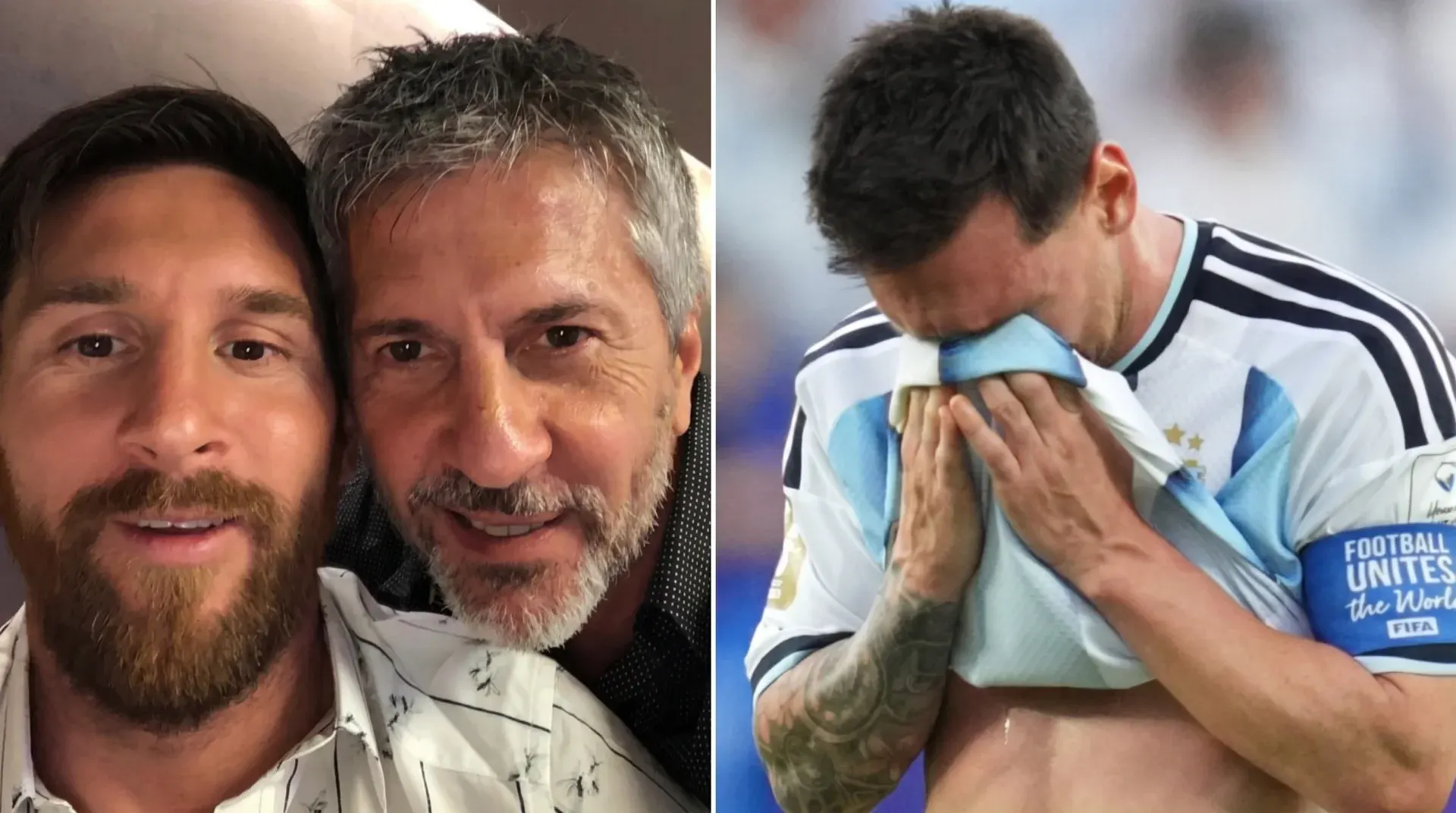



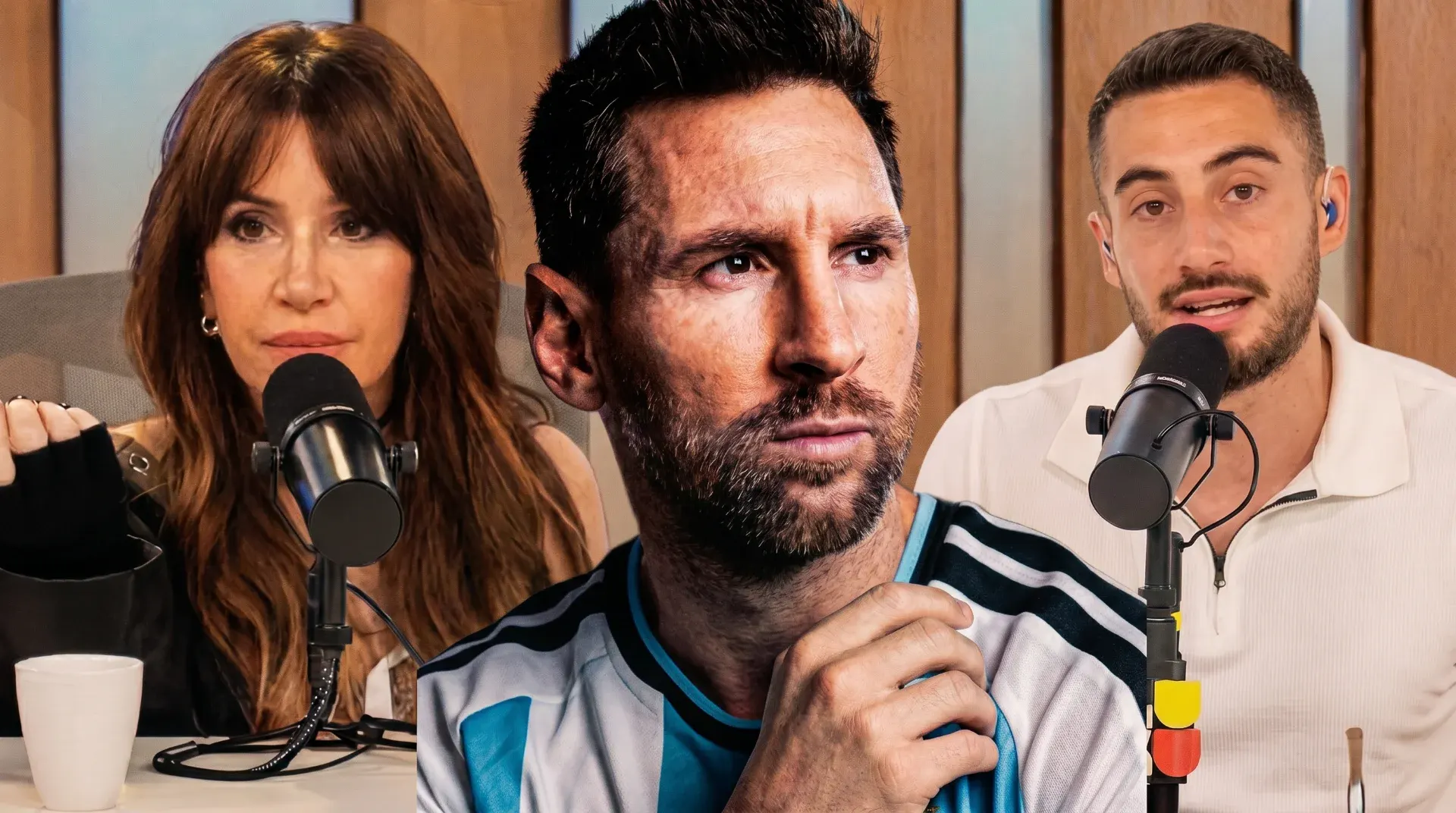
"I don't want to bring bad news, but Messi's father has just passed away" — a sensational line, and a wholly false one, that ended presenter Florencia Peña's career live on air. In the feverish days of the 2026 World Cup, the "story" aired on Luzu TV tore across social media like wildfire, igniting a fierce debate over journalistic responsibility. The reality could hardly have been further from it: 68-year-old Jorge Messi is alive and responding well to treatment under medical supervision, a fact that stands in stark contrast to the tragic picture Peña had painted. Affronted by the broadcast, the Messi family condemned it as "the lack of sensitivity, respect, and decency." The channel's director, Nicolás Occhiato, branded the episode an "unacceptable error" and dismissed Peña on the spot. Yet the deeper question lingers: when the thirst for a scoop eclipses ethics, how protected is a person's private tragedy from the media's relentless chase for ratings?