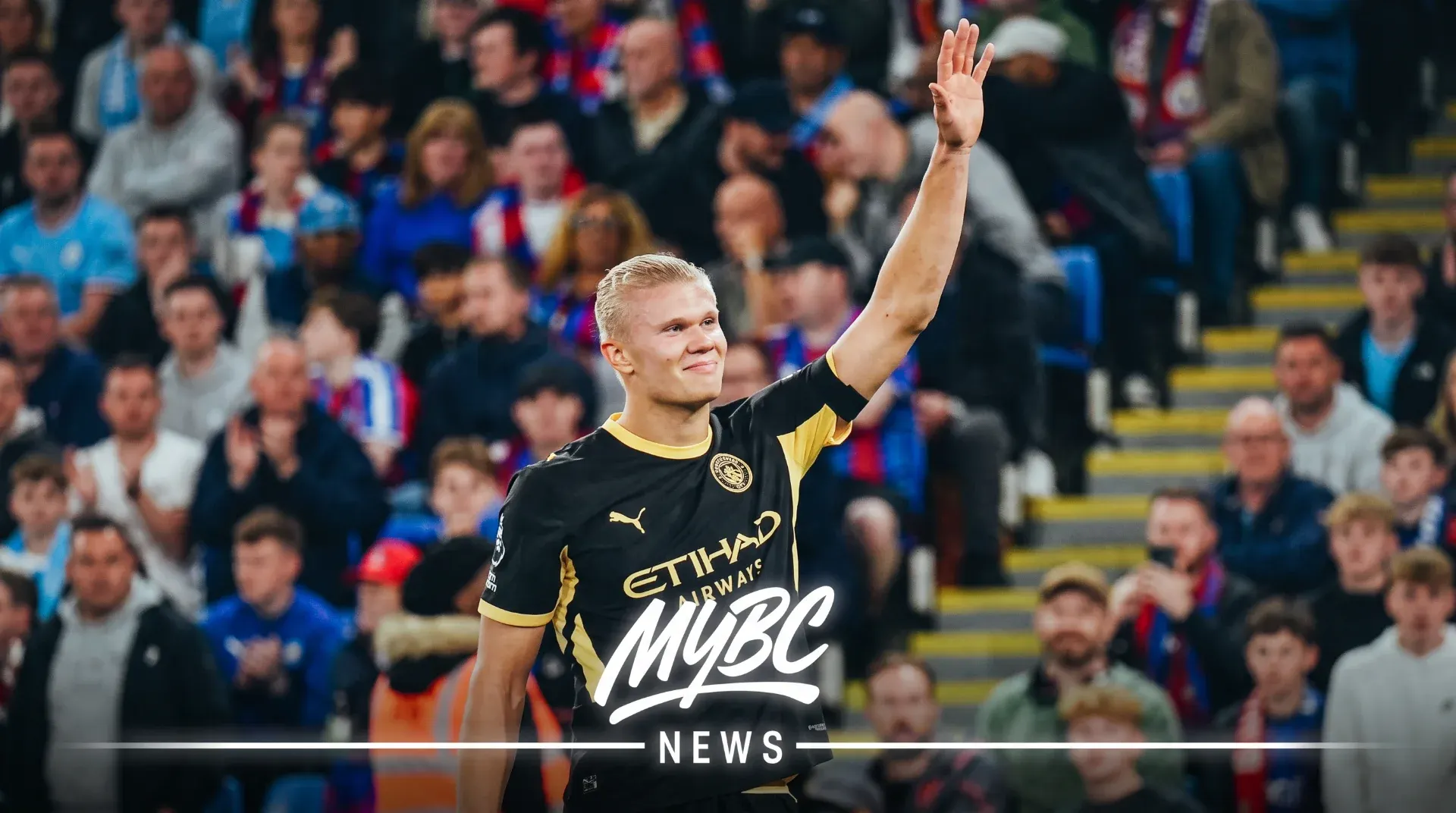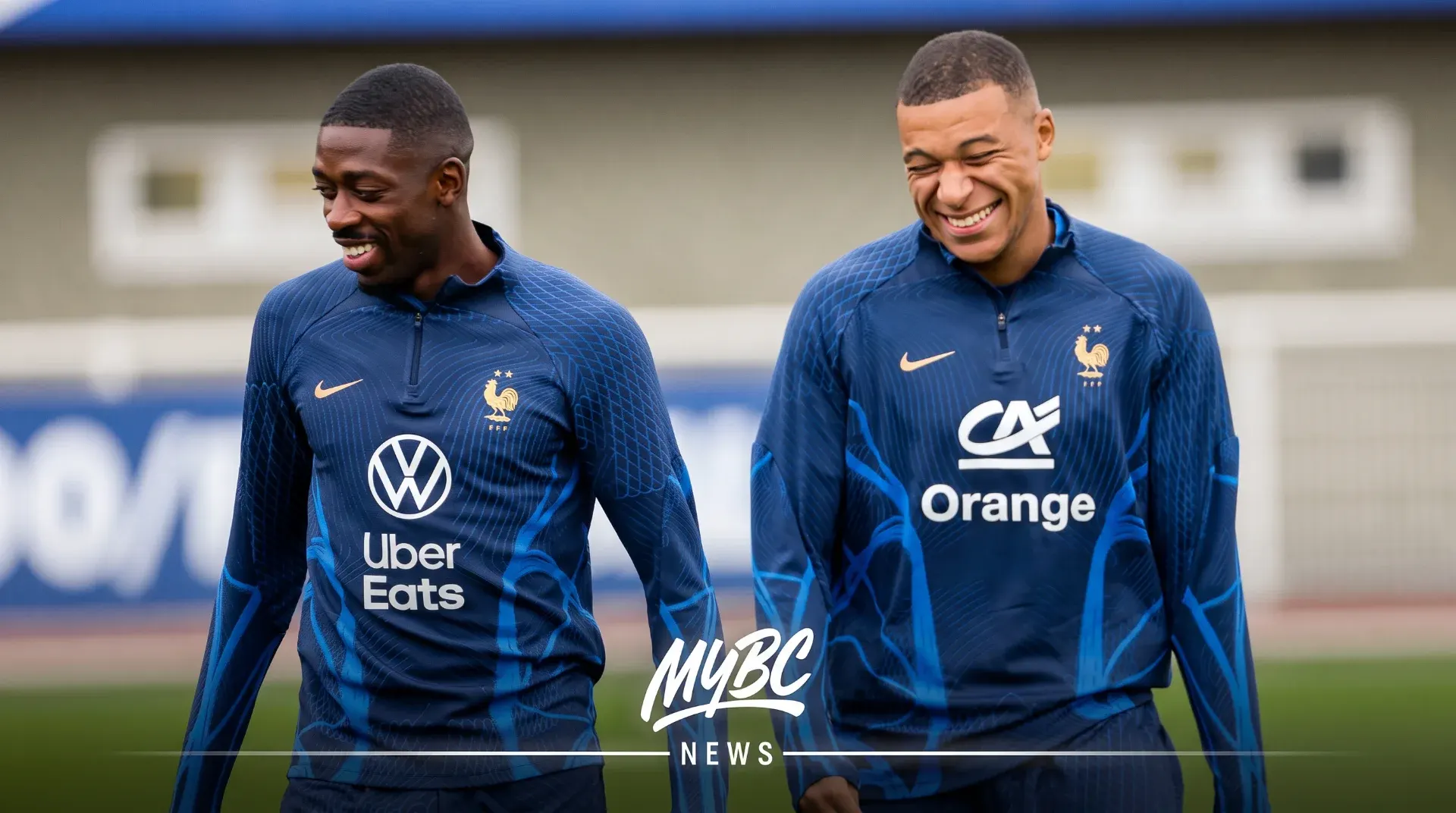



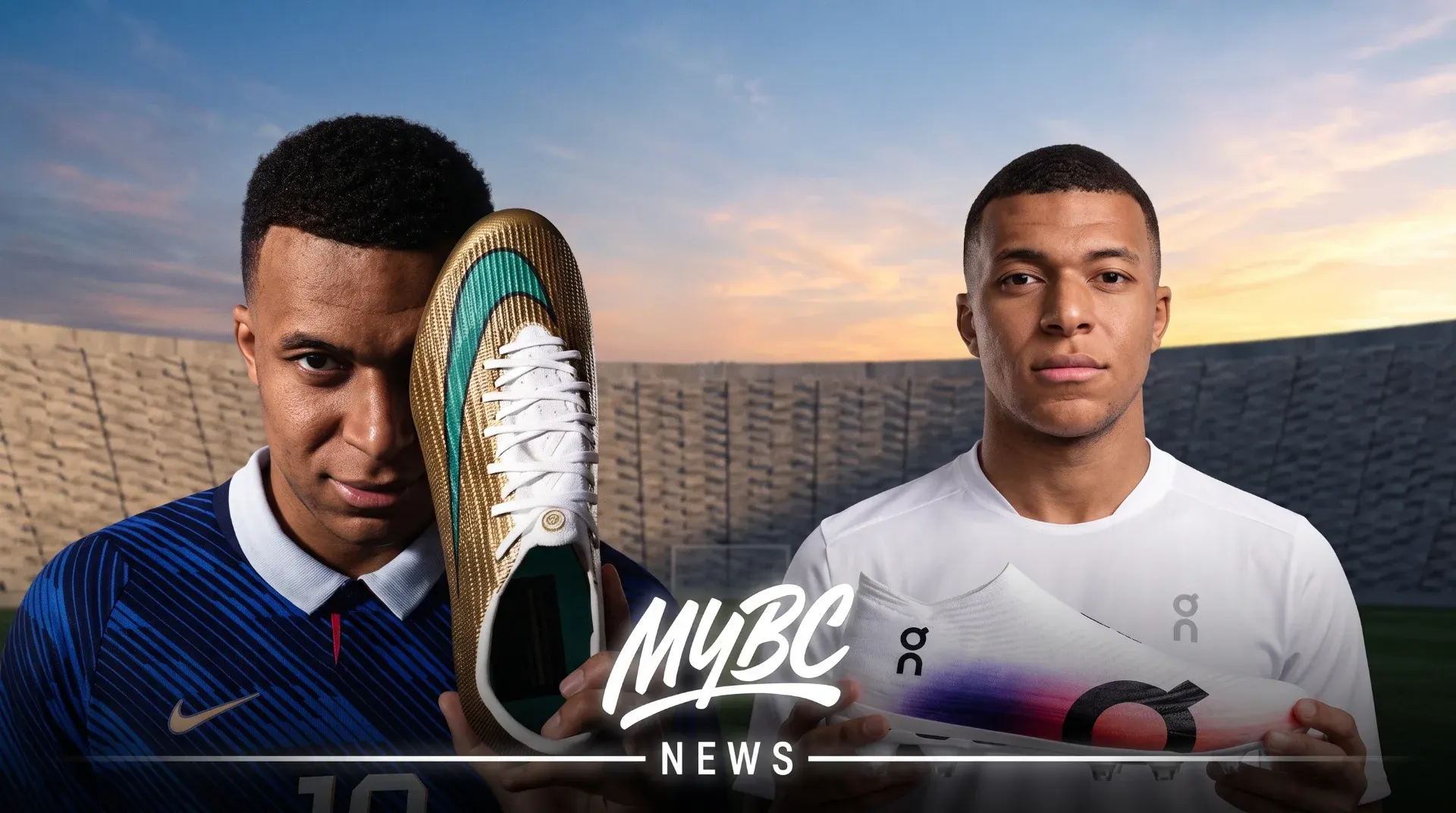
The multi-year endorsement deal between Kylian Mbappé and Nike officially came to an end in July. The American sportswear giant concluded that it had already drawn everything it could from the peak years of the 27-year-old France forward's career, and that by the 2030 World Cup he will be 31. In its official statement, the company stressed that the footballer had played an enormous role in the growth of the game across almost two decades and had been an inseparable part of Nike Football's history. Yet behind the diplomatic farewell, word from inside the industry is that the brand simply preferred to redirect its money elsewhere. Its main football assets today remain Erling Haaland and Vinícius Júnior.
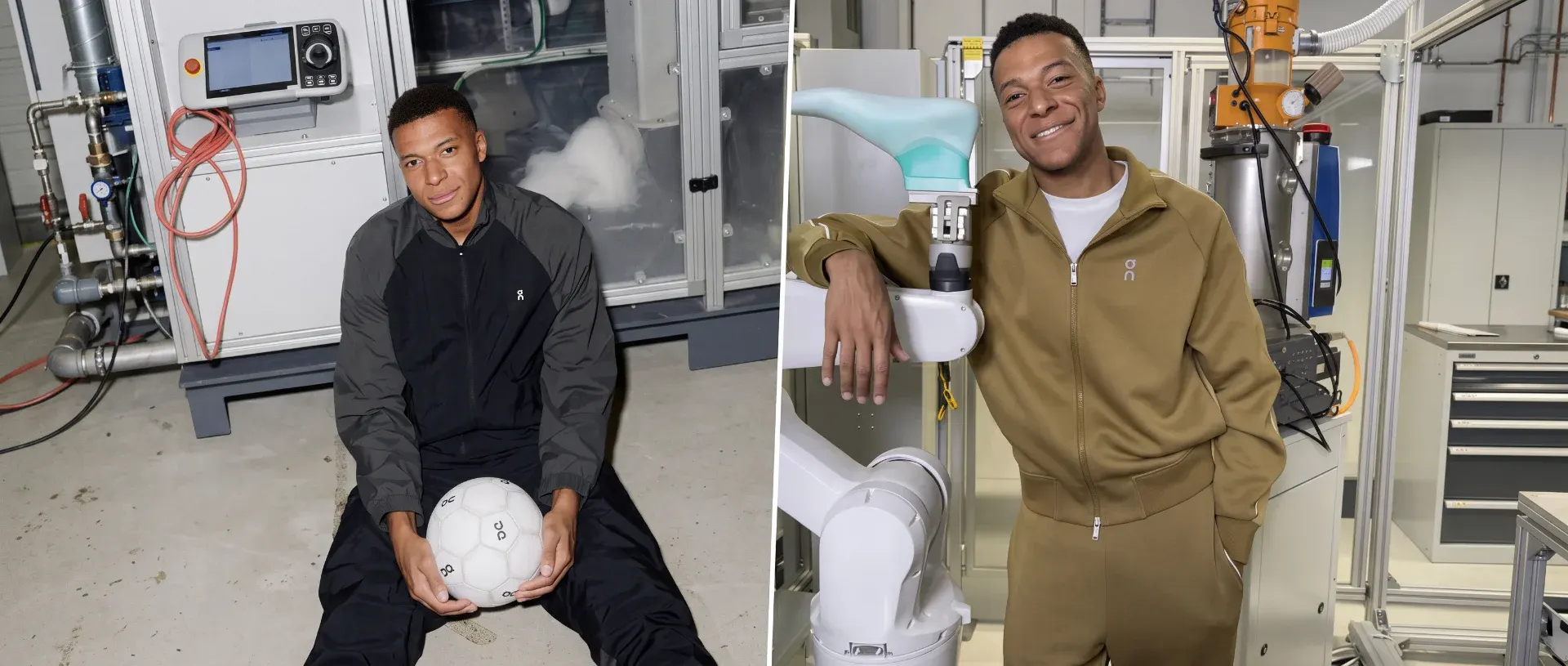
On, the Swiss sportswear brand, moved instantly to fill the vacuum, handing the France star the first football contract in the company's history. In the same push, it appointed Thierry Henry, a legend of the France national team, as its director of football. Tellingly, the scale of the investment has not convinced everyone. Analysts at the investment bank Jefferies have issued the newcomer a blunt warning: sporting success and credibility cannot simply be bought, and carving out a place in football demands colossal spending. They draw a parallel with Under Armour and Stephen Curry, where even a global basketball superstar was not enough to make the company a dominant force in the market.