


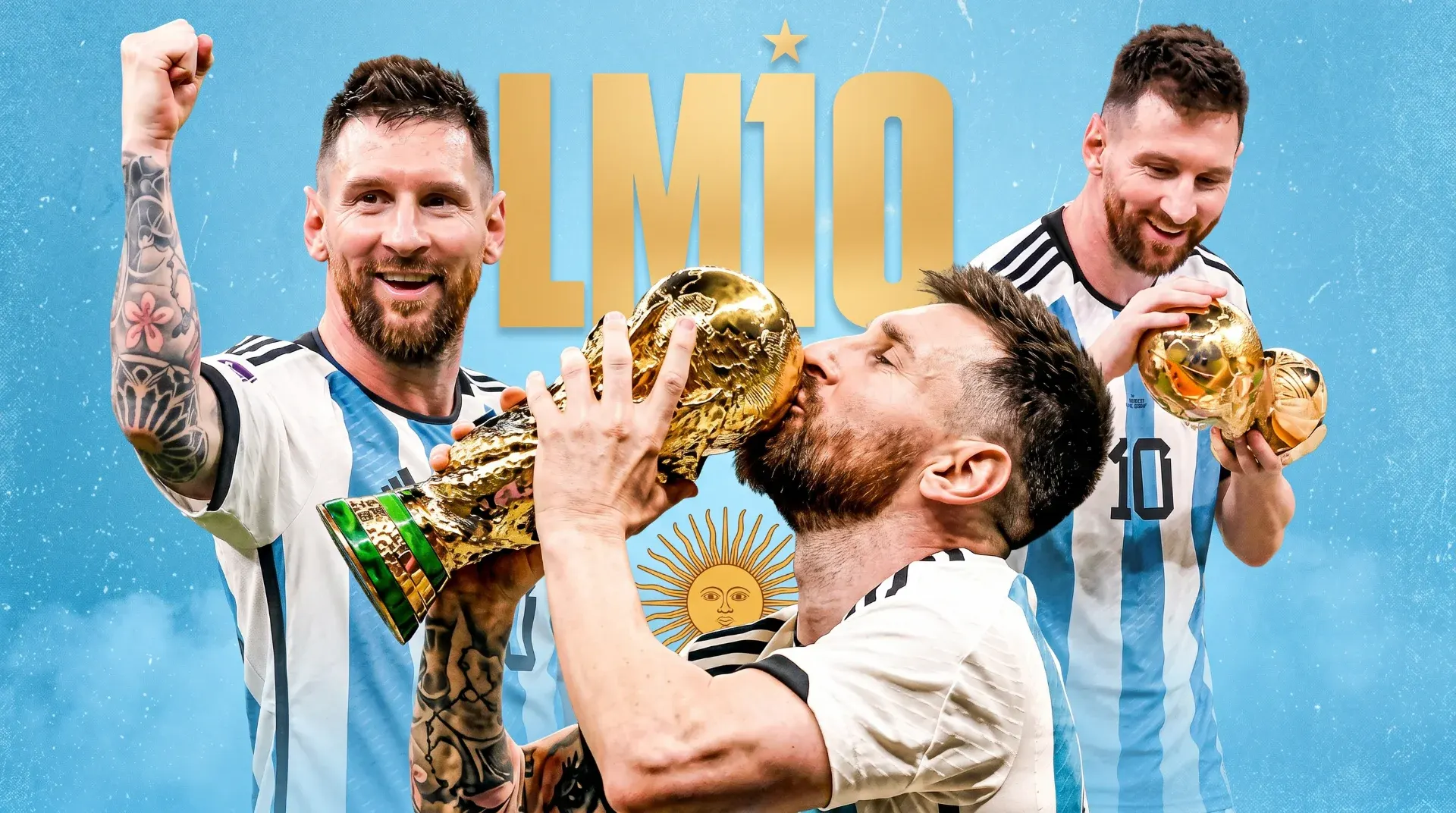
On 18 December 2022, at the Lusail Stadium, Lionel Messi sank to his knees. After beating France on penalties, he lifted the one trophy his career had been missing and ended Argentina's 36-year wait. That night looked like a natural ending. Yet almost four years on, Messi is walking back onto the pitch — 39 years old, named in Argentina's 26-man squad for a record sixth World Cup. Only a handful of players have ever reached six. That tally now places him alongside Cristiano Ronaldo.
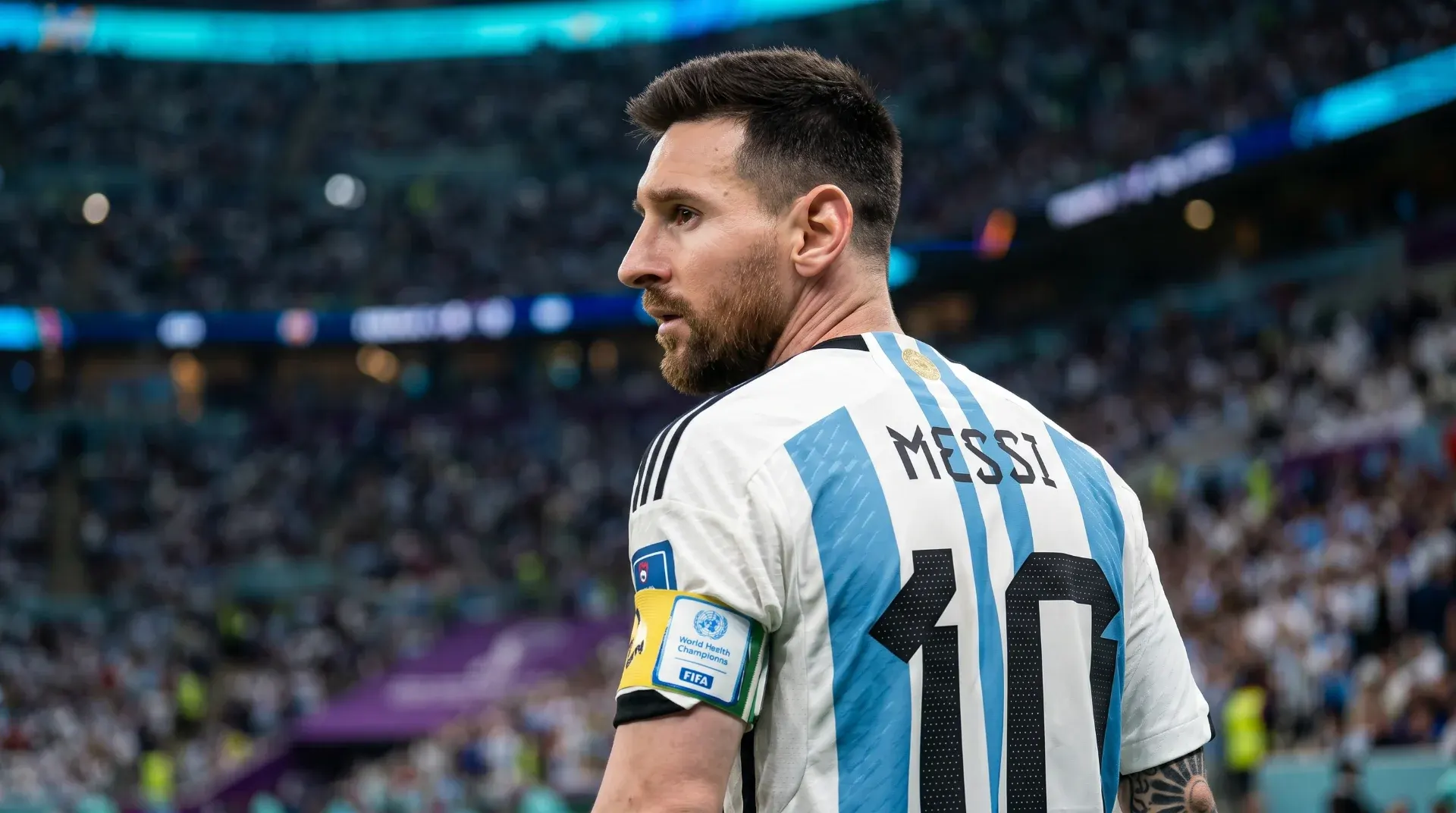
The Reigning Champions Return
Argentina arrive in North America holding two crowns at once. To the 2022 World Cup they have added continental titles in 2021 and 2024 — the Albiceleste are world and South American champions at the same time. No nation since 1962 can claim back-to-back World Cup wins. If Lionel Scaloni's side pull it off, they will be only the third in history to manage it, after Brazil and Italy.
Qualifying went smoothly, with Argentina topping the CONMEBOL table. They sit near the top of the pecking order, though not at the very summit — bookmakers give them roughly a one-in-ten chance of lifting the trophy, nudging Spain and France slightly ahead. The Albiceleste open in Group J, where Austria and Jordan await, and play their first fixture on 16 June against Algeria at the Arrowhead Stadium. The final follows on 19 July at the MetLife Stadium.
The Record Man
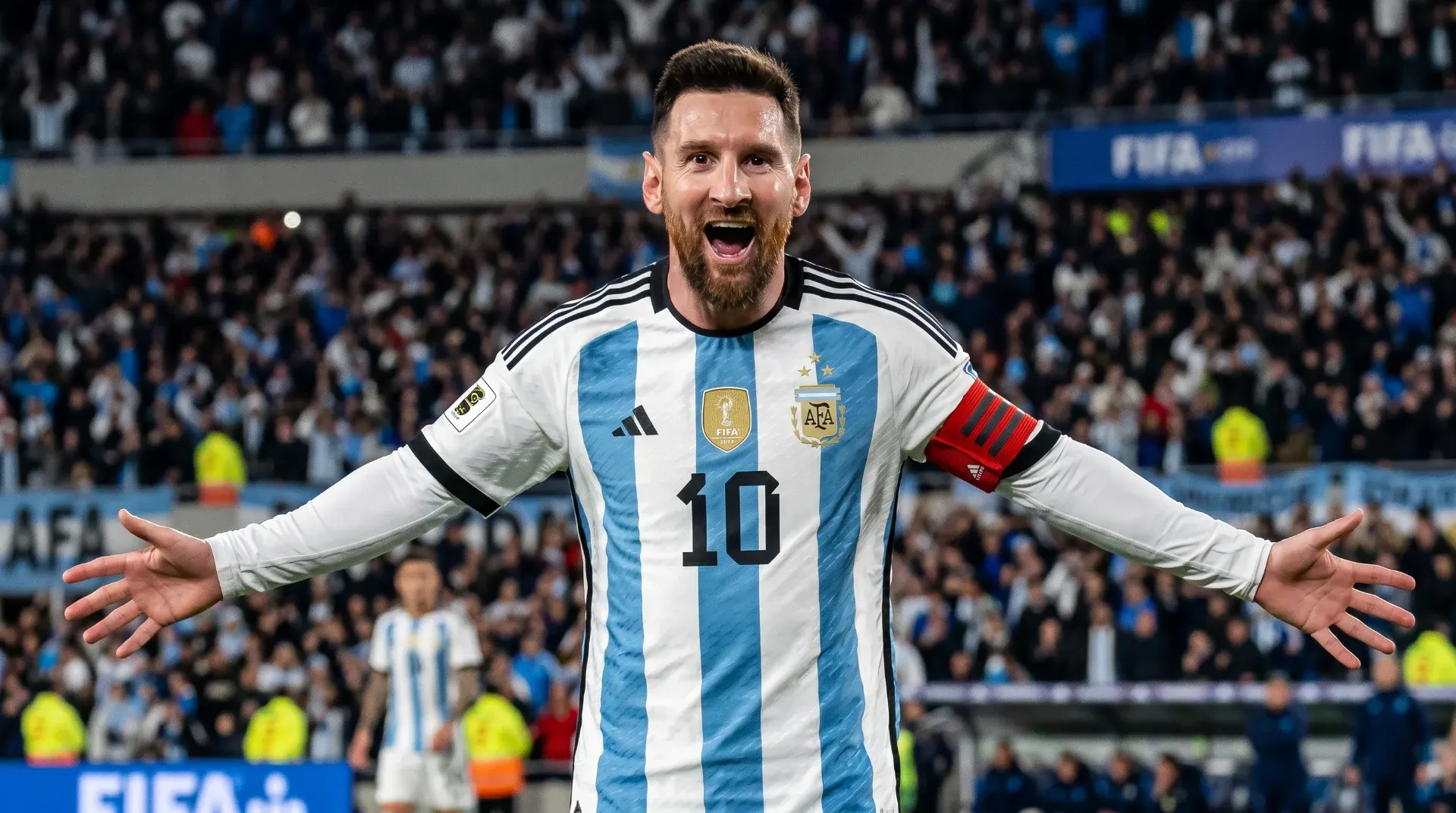
Messi's World Cup story has become a statistical category all its own. With 26 appearances, he is the most experienced player the tournament has ever seen, and by minutes on the pitch he stands clear at the top. His 13 goals in an Argentina shirt are more than any other player has managed at the finals, a haul that ranks fourth on the competition's all-time list.
He has scored across five separate editions, from 2006 to 2022, and in Qatar became the first man ever to find the net at every stage of a single tournament, from the group phase right through to the final. In both caps and goals he has already overtaken Diego Maradona. The Golden Ball, handed to the tournament's finest player, has gone to Messi twice — in 2014 and again in 2022 — a feat no one else has matched. Add his goals and assists together and the figure reaches 21, level with Pelé.
Hristo Stoichkov pinned down his scale long ago. "They once said you could only stop me with a pistol," the Bulgarian remarked. "Today you need a machine gun to stop Messi." Maradona, for his part, called Messi his heir.
The 39-Year-Old Leader
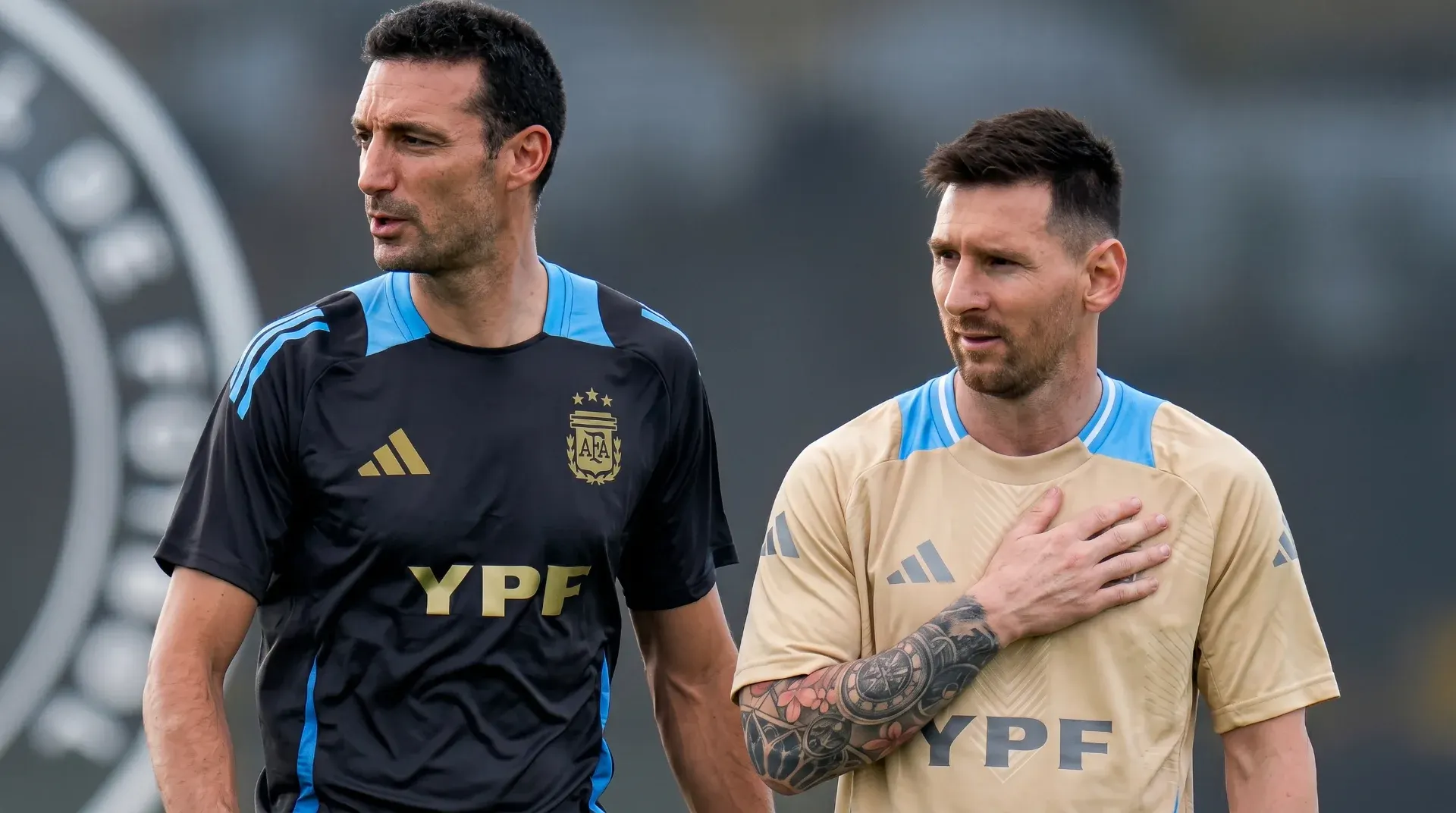
Messi will turn 39 during the 2026 finals. Muscle problems have stripped away some of the explosive burst of old, and a knock picked up at Inter Miami sparked a brief scare — though it proved minor, and the captain's fitness is not in question. At the end of March, on the famous turf of La Bombonera, he scored in a friendly against Zambia.
Scaloni ended the guessing and named his captain in the final squad, even if the precise role stays open — whether he starts among the eleven or arrives to settle the moments that turn a match. Some pundits expect Messi to grow into more of a super-sub, the kind who decides games with a couple of passes or a free-kick. The manager meets the question head-on. "From a physical standpoint, things change, not only for Messi but for everyone," he said. The title, Scaloni added, has not dimmed Messi's hunger to win — it has simply brought him calm. "It has given him complete fulfilment," he reflected.
A New Guard Around Messi
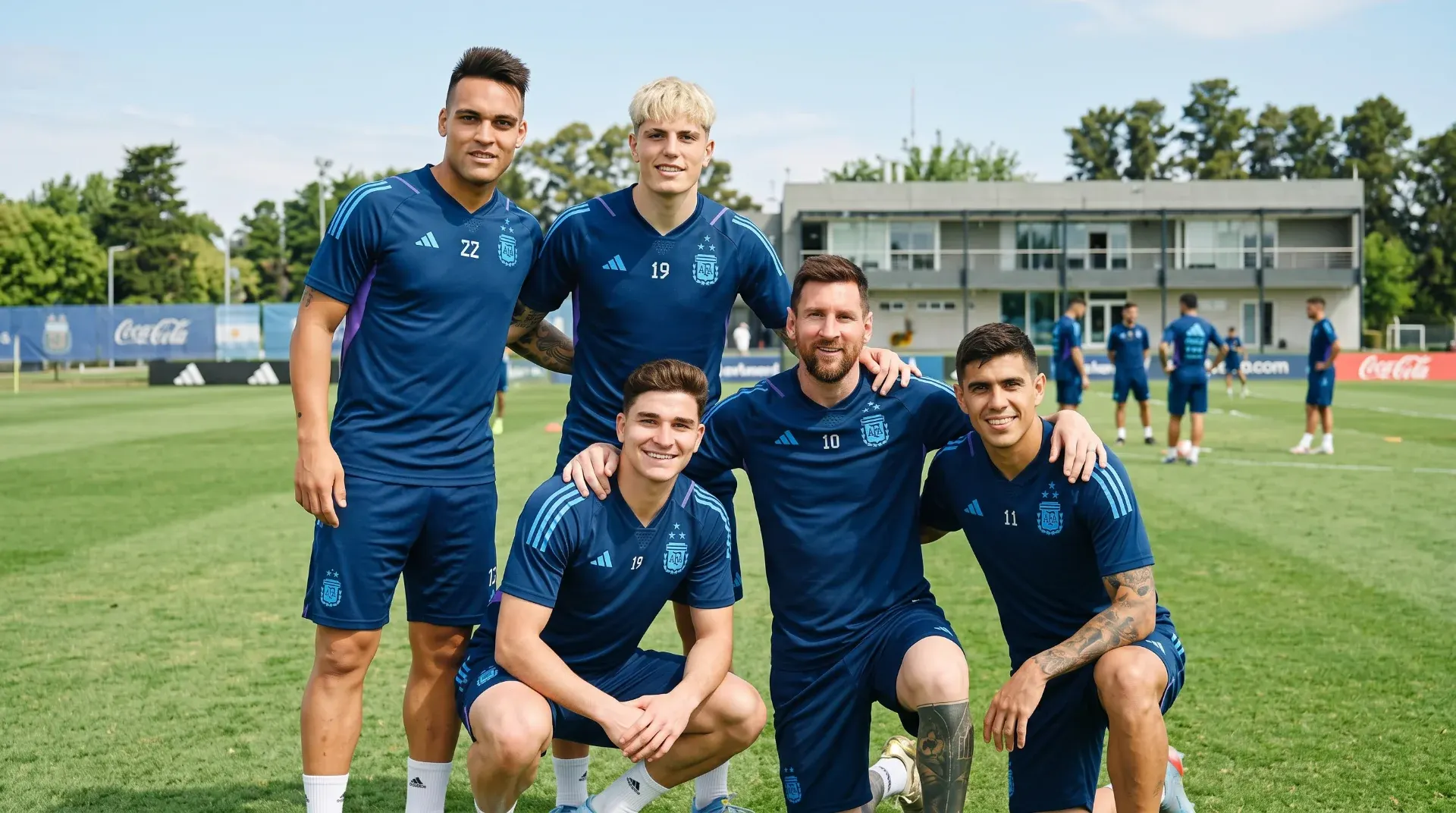
The team that danced in Qatar has changed. Ángel Di María, one of the final's great heroes, has already stepped away from the national side. The midfield and the forward line now belong to Enzo Fernández, Julián Álvarez, Lautaro Martínez and Thiago Almada, while the young Nico Paz is staking his claim among the leaders without a flicker of hesitation.
In this side, Messi's worth is no longer counted in goals and assists alone — he is the compass everyone follows. Di María, who spent years at his shoulder, captured it best. "He's not human. He can't be. He's an alien," he said, before adding that playing beside Messi would stay the brightest memory of his career. "The best thing I'll have to look back on was playing with Leo."
A Liberated Messi
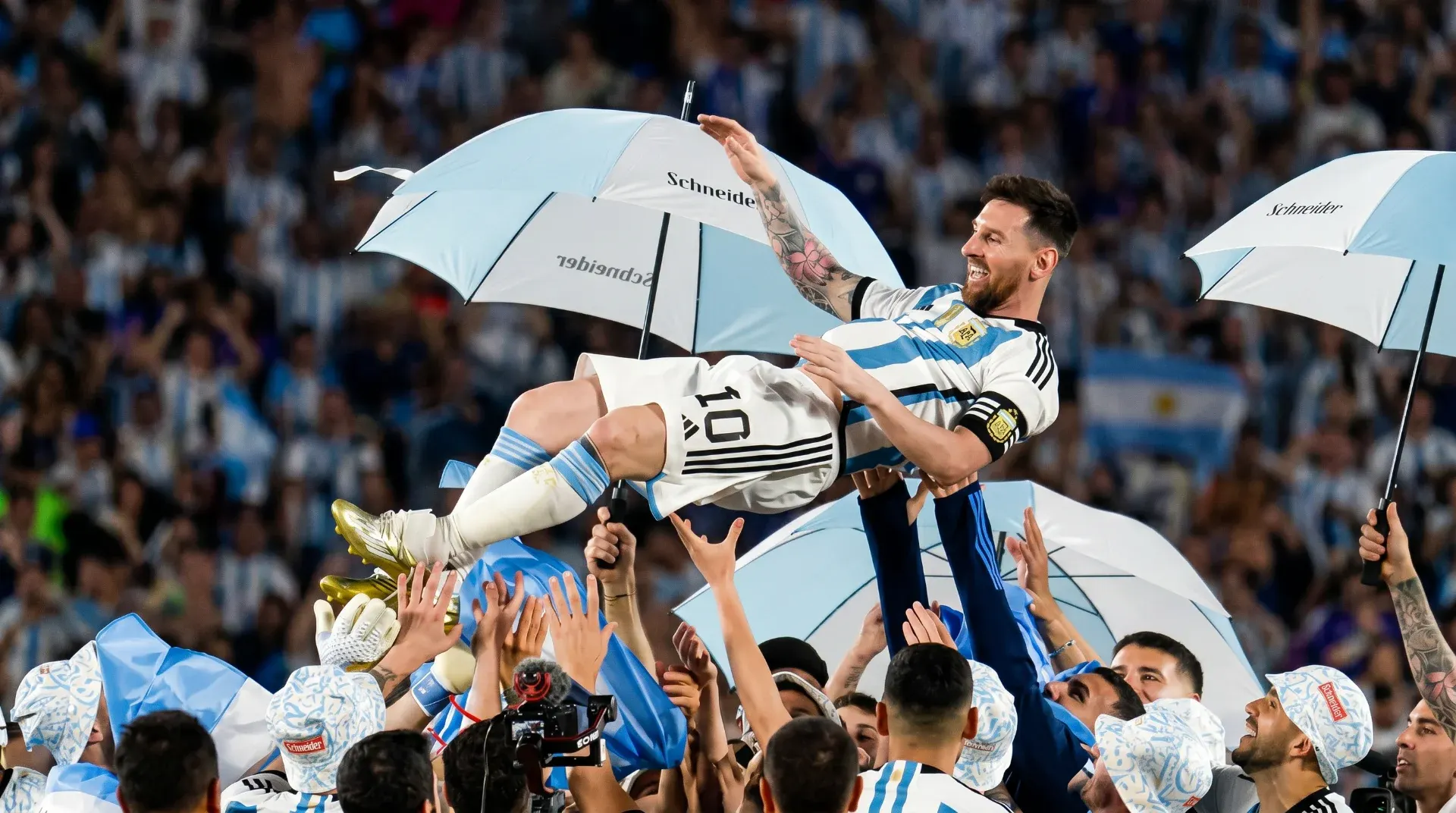
Something fundamental shifted in Messi after Qatar. Jorge Valdano summed it up in one line. "You see the happiness that Leo has: he's liberated," he observed.
The pressure that shadowed him through his whole career lifted for good on that Lusail night. He plays now not because he must, but because he wants to, because it brings him joy. To Ronaldinho, beside whom Messi took his first steps at Barcelona, the player's place in the game is already sealed — once he retires, "football – not just Barcelona – should retire the No10 shirt."
Gianluigi Buffon, meanwhile, still recalls the strange feeling of meeting the Argentine for the first time. "I needed to make sure he was human like the rest of us," he admitted. On 16 June, against Algeria, Messi will put that question to the test once more.