



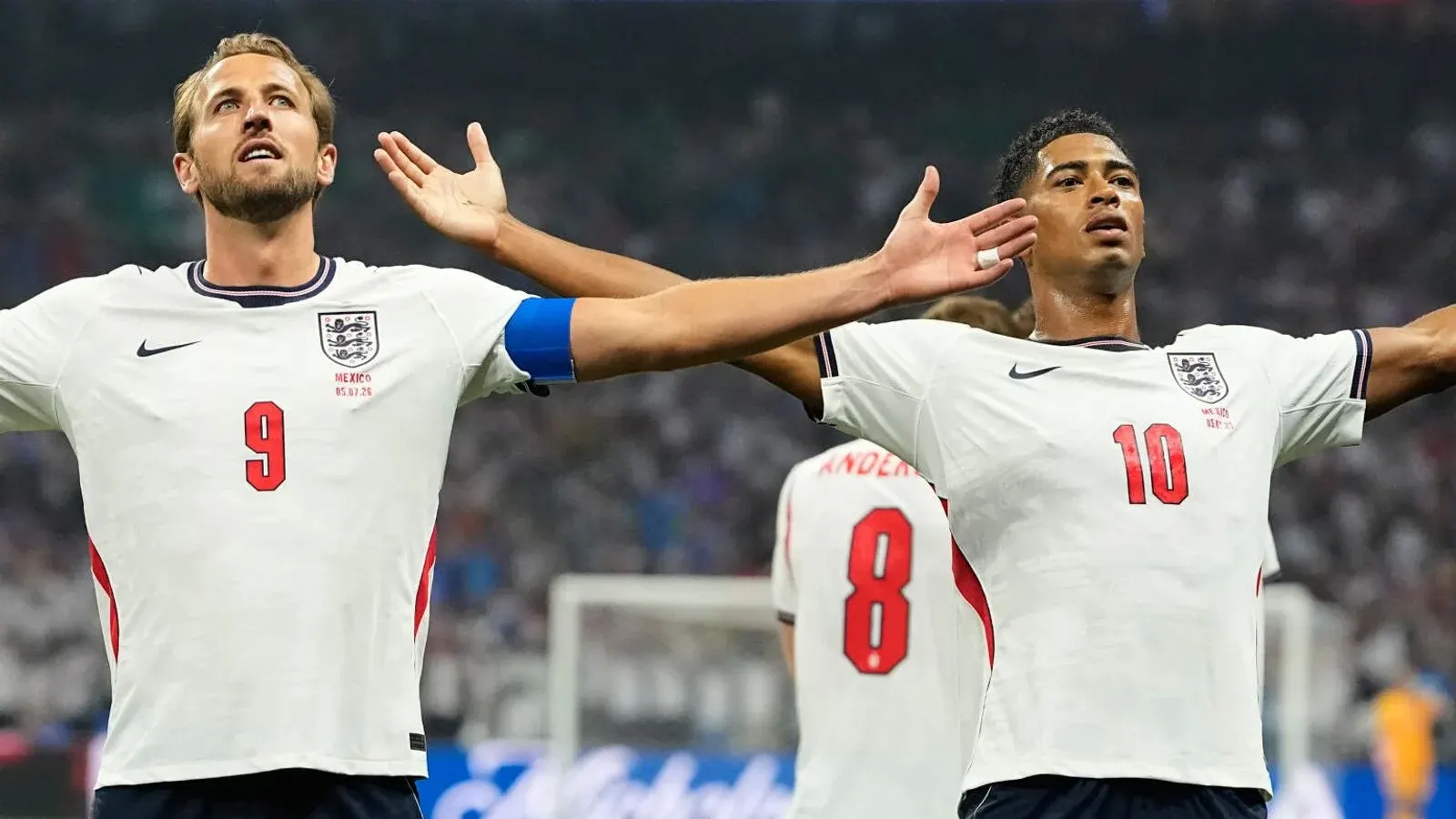
Harry Kane and Jude Bellingham have scored 10 of England's 11 goals at the World Cup. That means Kane, with six, and Bellingham, with four, account for a remarkable 90.9% of the team's attacking output — a higher share than any other side left in the tournament, France included. Their dominance runs through the other numbers too: the pair are responsible for 54.9% of England's expected goals (xG). The image of the two standing side by side, arms outstretched, during the win over Mexico has become the symbol of their bond.
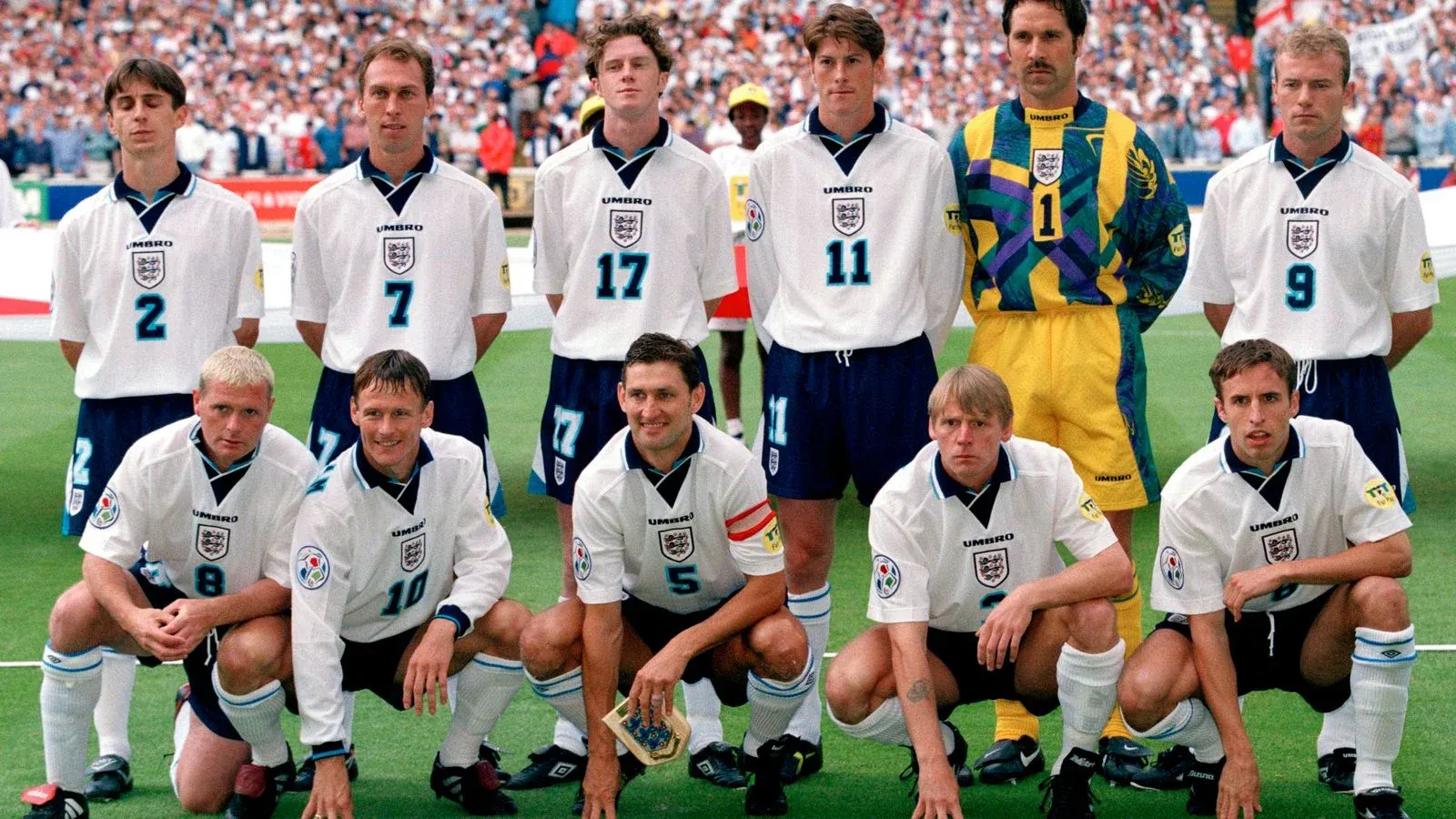
Yet history offers a note of caution. In 1990 and 1996, England leaned on similar duos and paid for it, both campaigns ending in semi-final penalty shootout defeats. Then again, England's strength lies precisely in how the burden is shared — unlike Norway, who depend almost entirely on Erling Haaland. Bellingham's movement opens space for Kane, while the captain's selflessness creates chances for the young star in return.
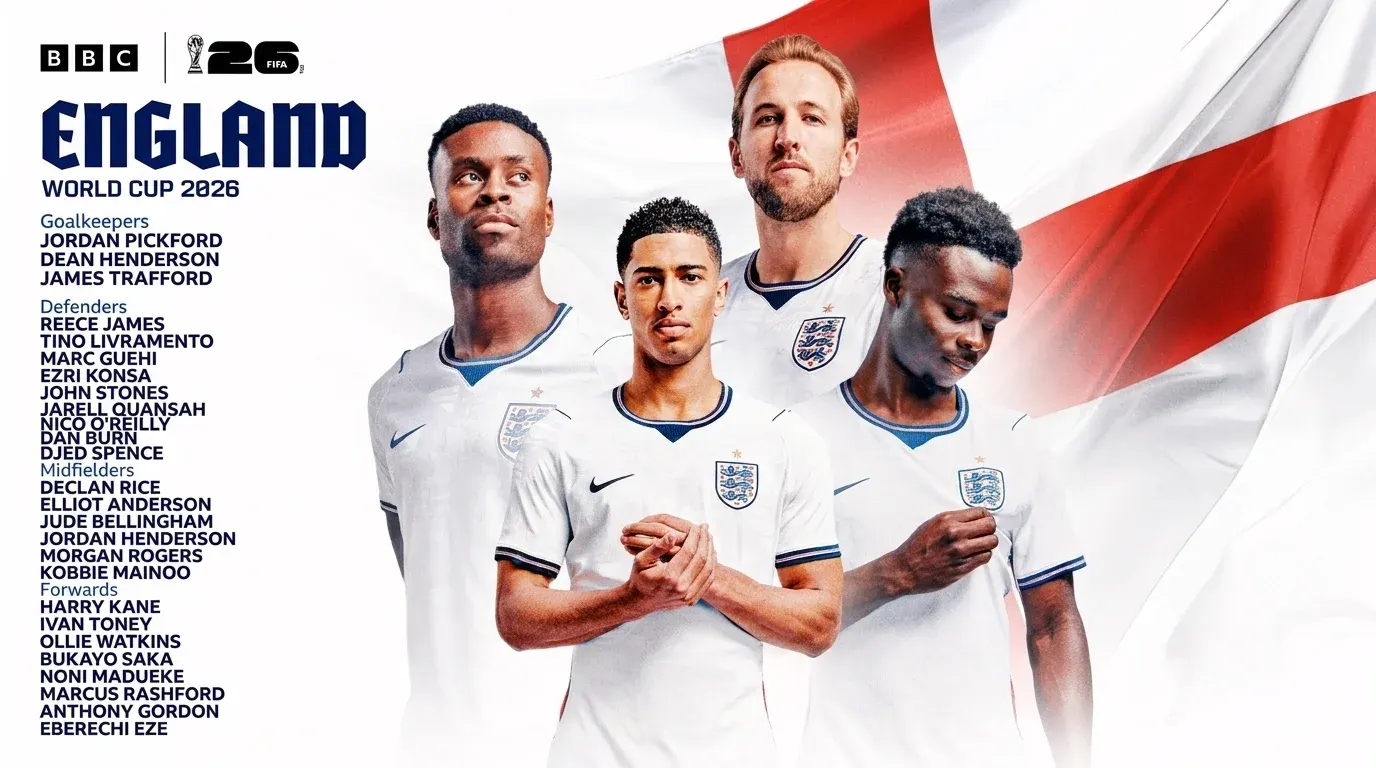
Ahead of the quarter-final in Miami, one question hangs over everything: just how dependent are England's World Cup ambitions on their dynamic duo?