


Conor McGregor is no longer just a fighter. He is a cultural phenomenon — the man who dragged mixed martial arts out of a niche corner and turned it into a global, multimillion-dollar show. On 12 July, after a dramatic five-year absence, the Irishman steps back into the octagon. His opponent is Max Holloway, yet the real intrigue is not who stands across from him but what still drives McGregor himself.
Before "The Notorious" came along, the octagon had its legends in Anderson Silva and Georges St-Pierre, but none of them had ever moved the needle on a global scale. McGregor read the moment first and handed the sport a completely new blueprint for success. He showed that shutting yourself away in the gym and perfecting your technique was no longer enough. To land the big money and the mass recognition, you had to turn yourself into a brand. Almost every fighter works to that formula now, yet the architect of it all is still him.
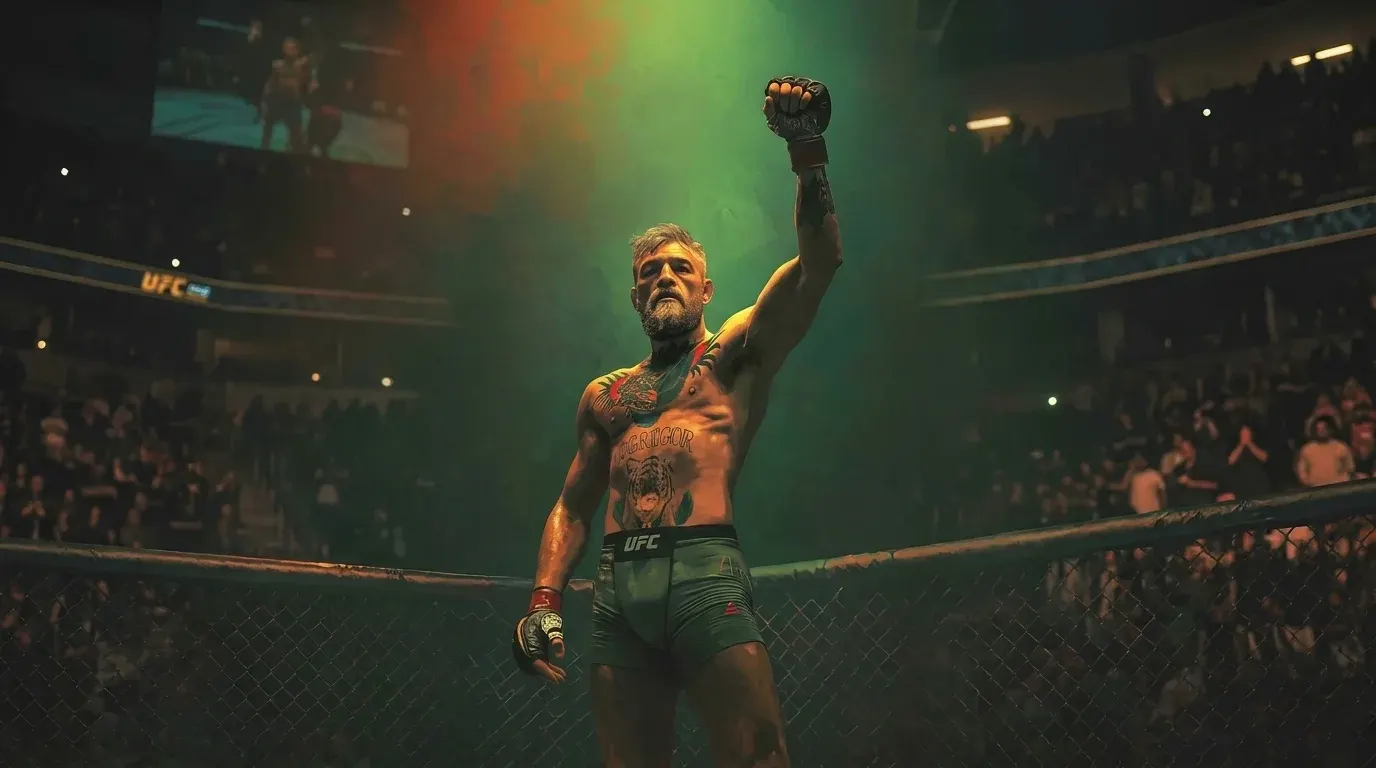
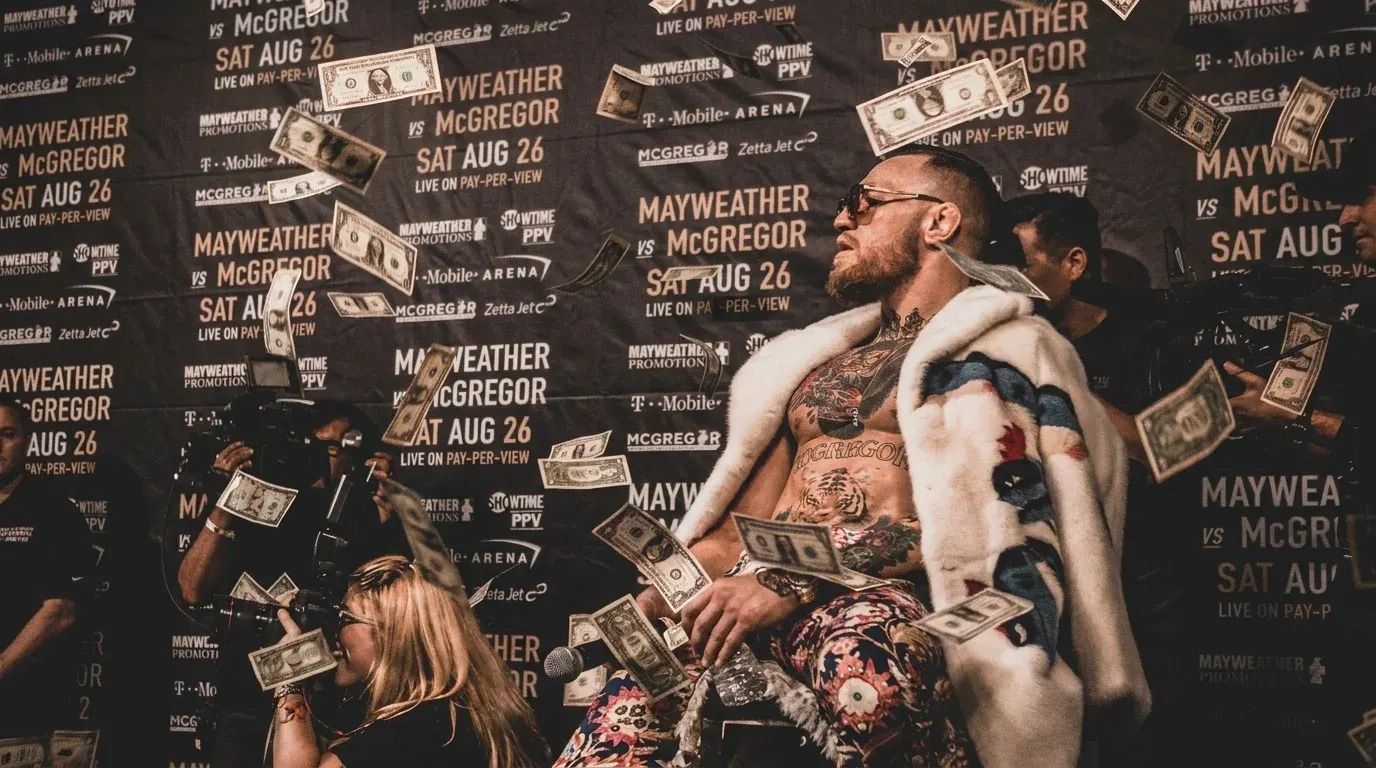
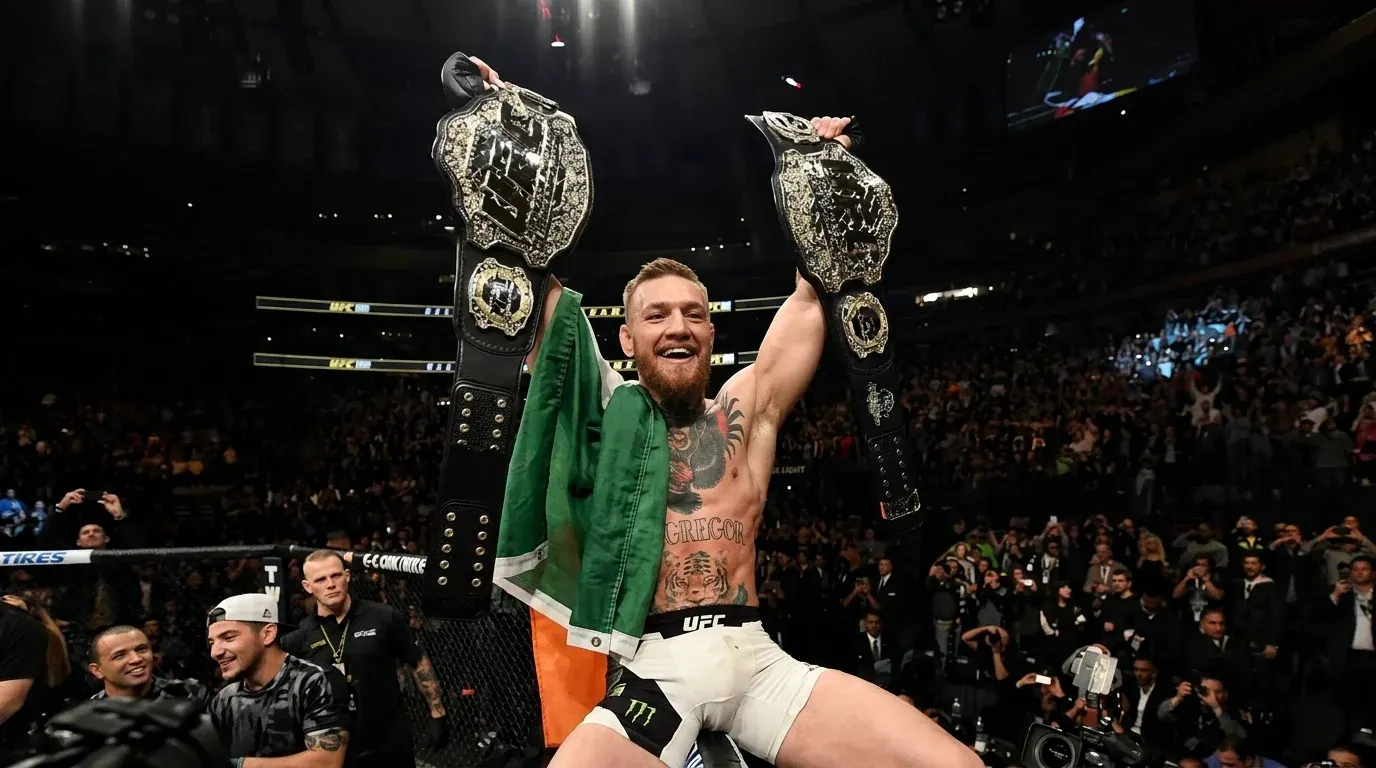
The Irishman rewrote the rules on several fronts at once. He became the first fighter to hold titles in two different weight classes, beating José Aldo and Eddie Alvarez to do it and clearing a path for the double champions who followed. He also triggered a financial revolution and coined the idea of the "Red Panty Night" — a fight with him meant a life-changing payday, the biggest of any opponent's career. The numbers say it plainly: of the six best-selling pay-per-view events in UFC history, McGregor headlined five. Then came the border-erasing crossover bout with Floyd Mayweather, which earned the Irishman hundreds of millions of dollars.
Now, at 37, McGregor is back under the brightest lights. On 12 July he meets Max Holloway. It is a rematch of their 2013 fight, which McGregor won by unanimous decision. The reality today, though, could hardly be more different. The 34-year-old Hawaiian is in the form of his life, relentlessly active and a genuine fighting machine inside the octagon. McGregor, by contrast, has spent recent years on business and life away from the cage rather than a punishing training camp.
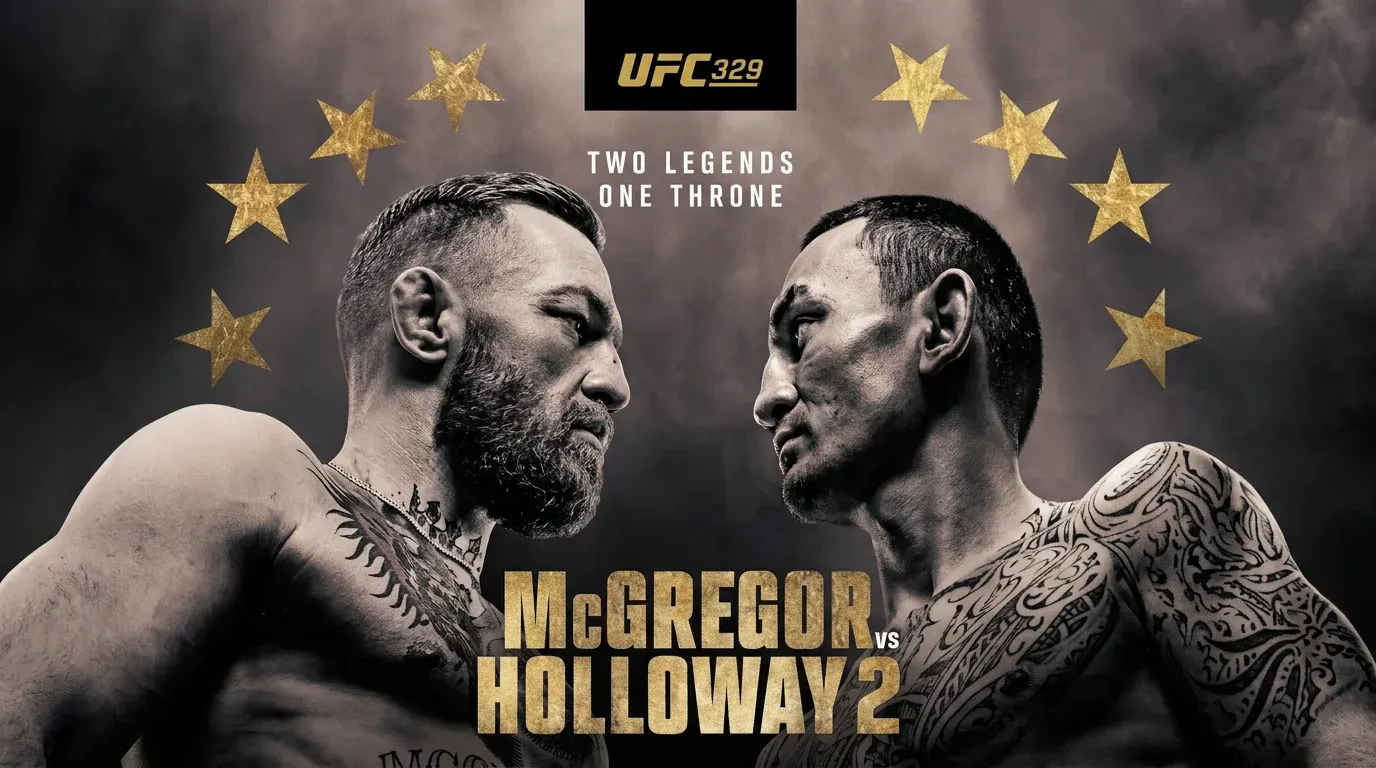
That stark contrast is exactly what makes the night of 12 July feel historic. The fight should finally settle the question that has hung in the air for years: are we watching a hungry fighter make a real return to elite sport, or simply a slickly packaged commercial move at the tail end of a career?