


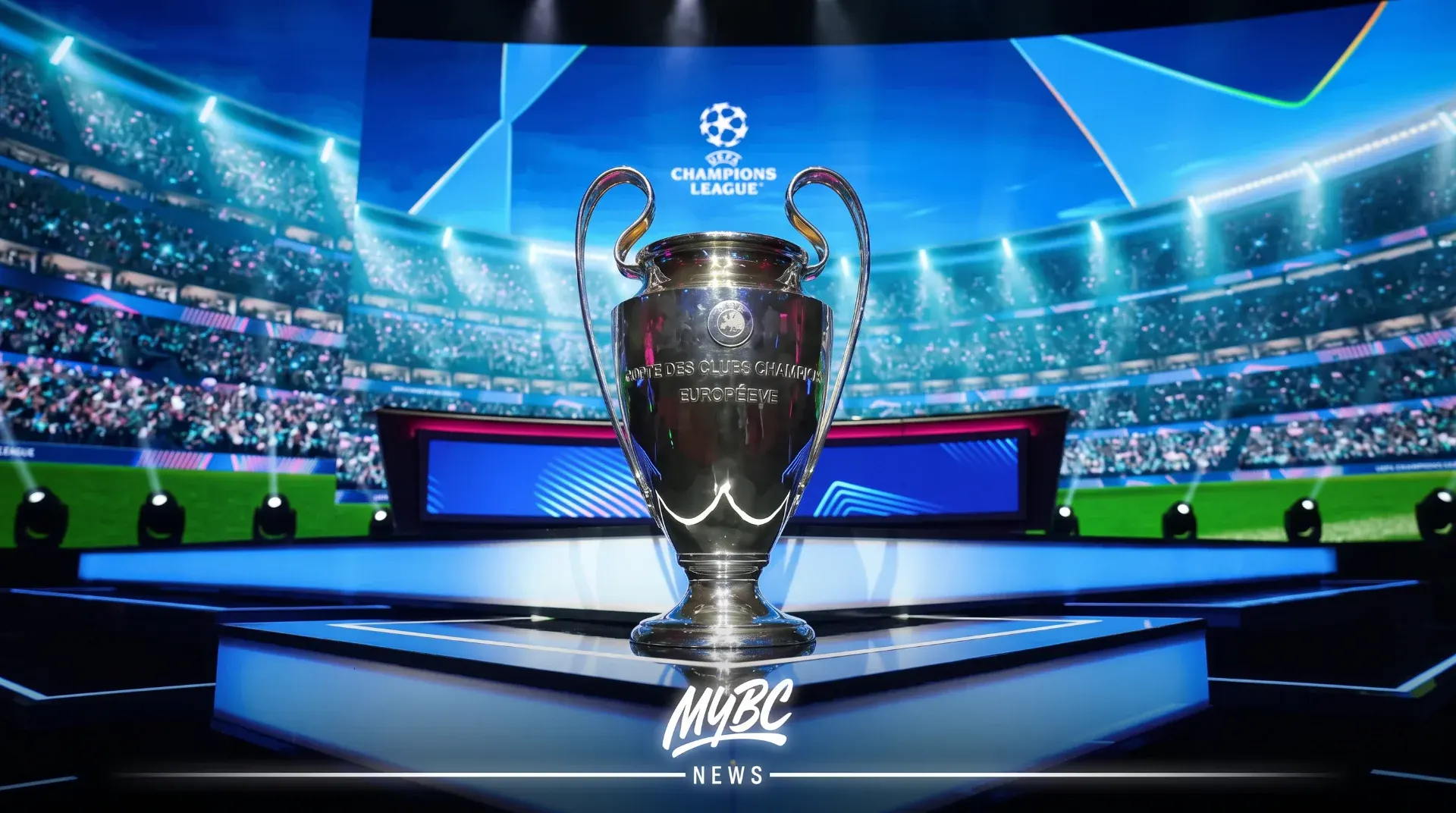
Two-time reigning champions PSG, who beat Arsenal on penalties last May to retain the trophy, have been handed another brutal set of fixtures in the new season's draw. European football's governing body has again gathered 36 clubs into one giant league for the third season of the new format, with every side facing eight different opponents, a structure that demands full mobilisation from the opening round. The media captured that reality the moment the draw ended: "Holders PSG face tough UCL League Phase as Bayern Munich travel to Old Trafford." In defence of their title the Parisians must host Barcelona, Roma, Turkish champions Galatasaray and Slovakia's Slovan Bratislava, while their away programme takes them to England twice, to Manchester City and Aston Villa, both of whom they beat in 2025 on the way to their first historic triumph. The French giants also travel to Villarreal in Spain and to Como in Italy, managed by the legendary Cesc Fabregas.
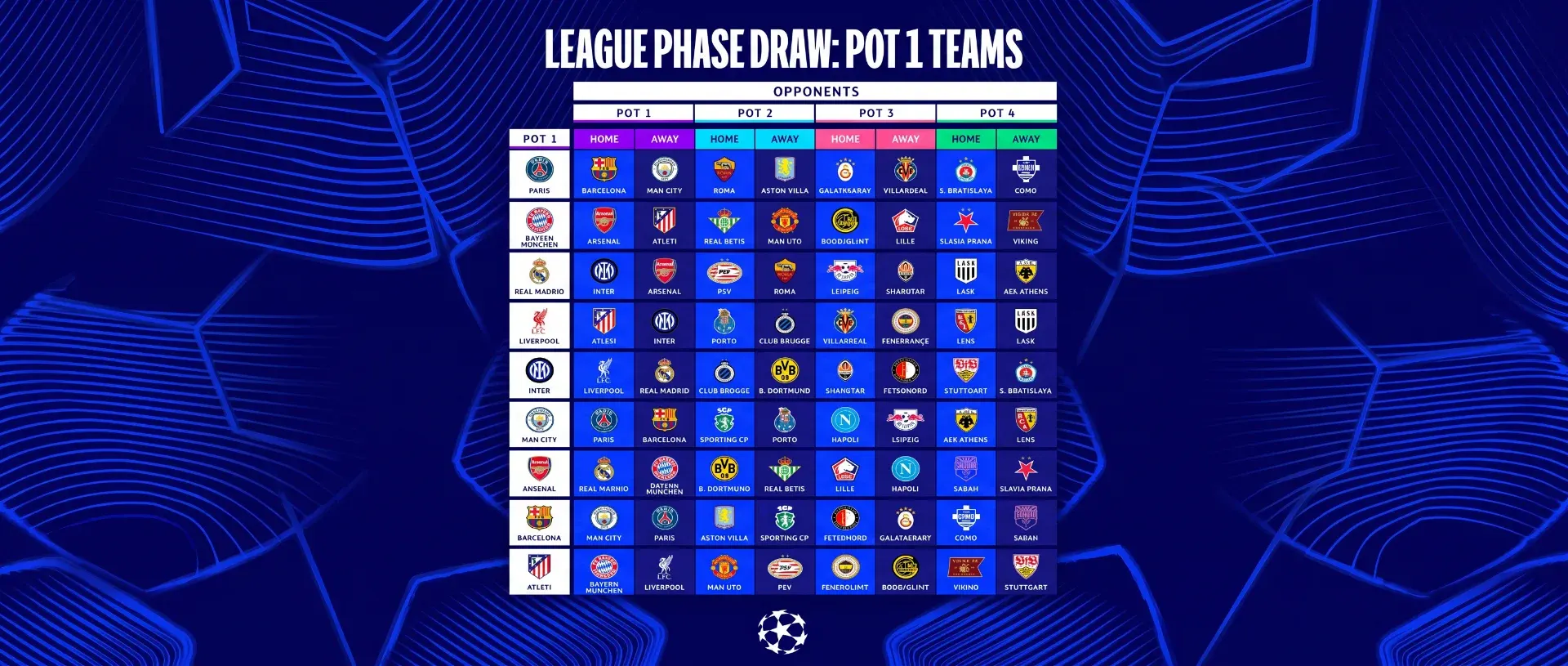
The draw split the teams across four seeding pots and gave every club two opponents from each pot, one at home and one away. That principle explains why the heavyweights in Pot One now meet each other directly, unlike the old system, in which teams from the same pot could not be paired in the group stage. Arsenal, like PSG, were left staring at a punishing schedule. Last season's finalists welcome Real Madrid, Dortmund and Lille to north London, yet their sternest tests will come on the road. Trips to Bayern Munich, Seville's Real Betis, Napoli and Slavia Prague will demand the highest concentration from Arsenal. London also hosts Azerbaijani surprise package Sabah, who came through four gruelling qualifying rounds to reach a historic league phase.
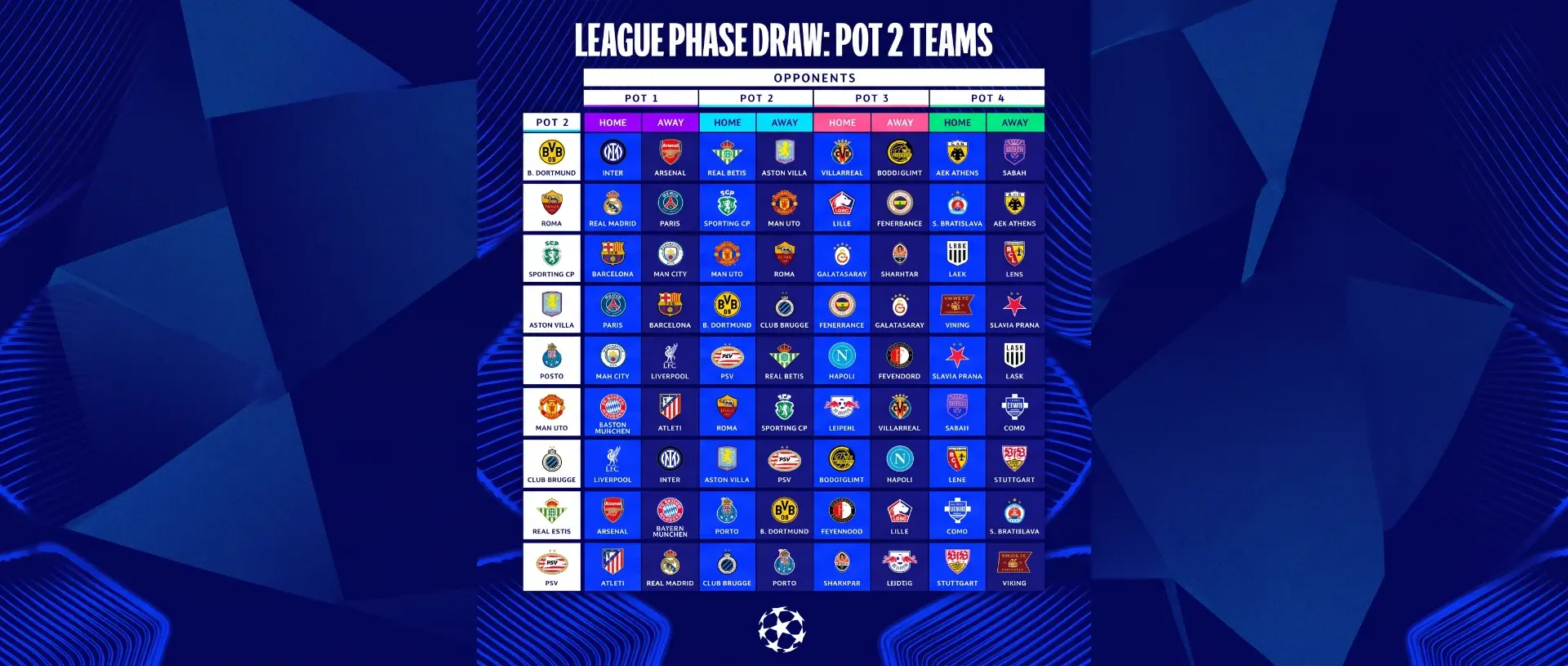
Tellingly, sources name Andoni Iraola as Liverpool's new manager, something of a surprise for football experts, since his name had usually been linked with another club. The Merseysiders host Atletico Madrid, Porto, Villarreal and Lens, and travel to Inter, Club Brugge, Fenerbahce and Austrian debutants LASK, who booked their place with a stunning play-off win over Celtic. Manchester City, meanwhile, await Kevin De Bruyne's return when they host Napoli, though their defining test comes away in Barcelona against the Catalan giants. Manchester United's route is different, and far more dramatic. Left outside Pot One, the Red Devils take on Bayern, Roma, Leipzig and Sabah at home, while points will be desperately hard to come by away at Atletico Madrid and Fabregas's Como.
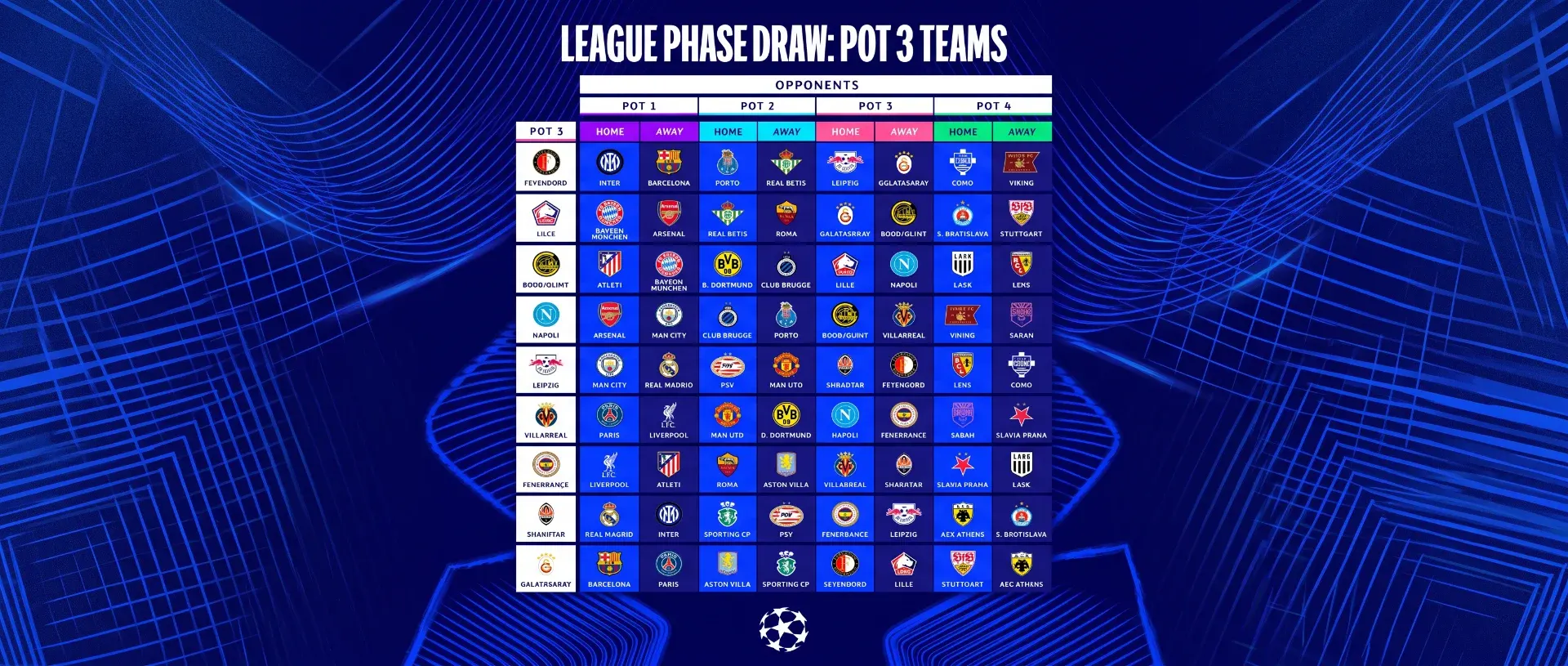
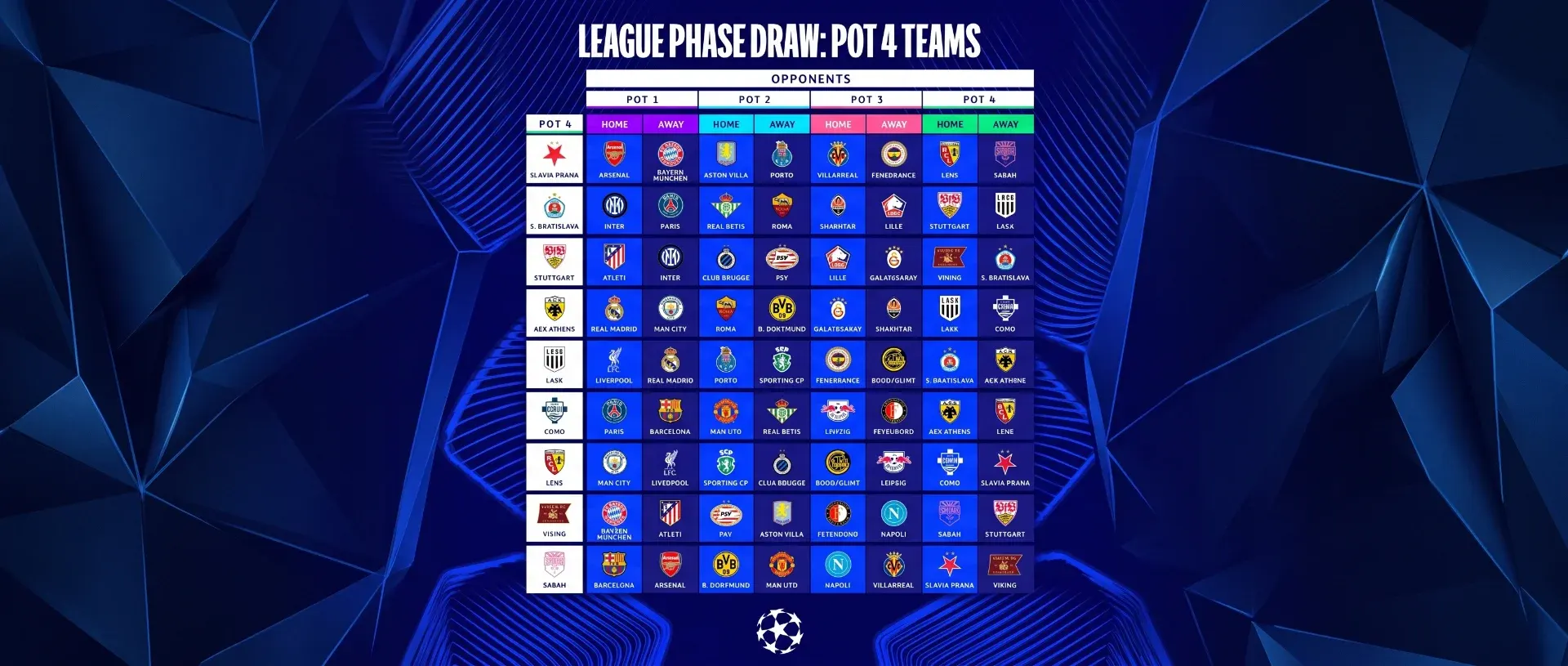
Particular attention falls on the new faces disrupting the traditional order of European football. Como, the discovery of Serie A, Italy's top flight, and Azerbaijan's Sabah belong squarely in that category. Viking, champions of Norway last year, have reached the main stage of the Champions League for the first time and were immediately handed a glamour calendar, one that means facing Bayern, Atletico, Villa and Napoli. Against that backdrop, Turkish giants Fenerbahce return to the main stage for the first time since the 2008/09 season. One inconsistency stands out in the sources, where Aston Villa are listed as last season's Europa League winners, when the trophy in fact went to another side, an illustration of the factual contradictions circulating in the media. The Birmingham club host Dortmund and travel to Barcelona, Galatasaray and Fenerbahce.
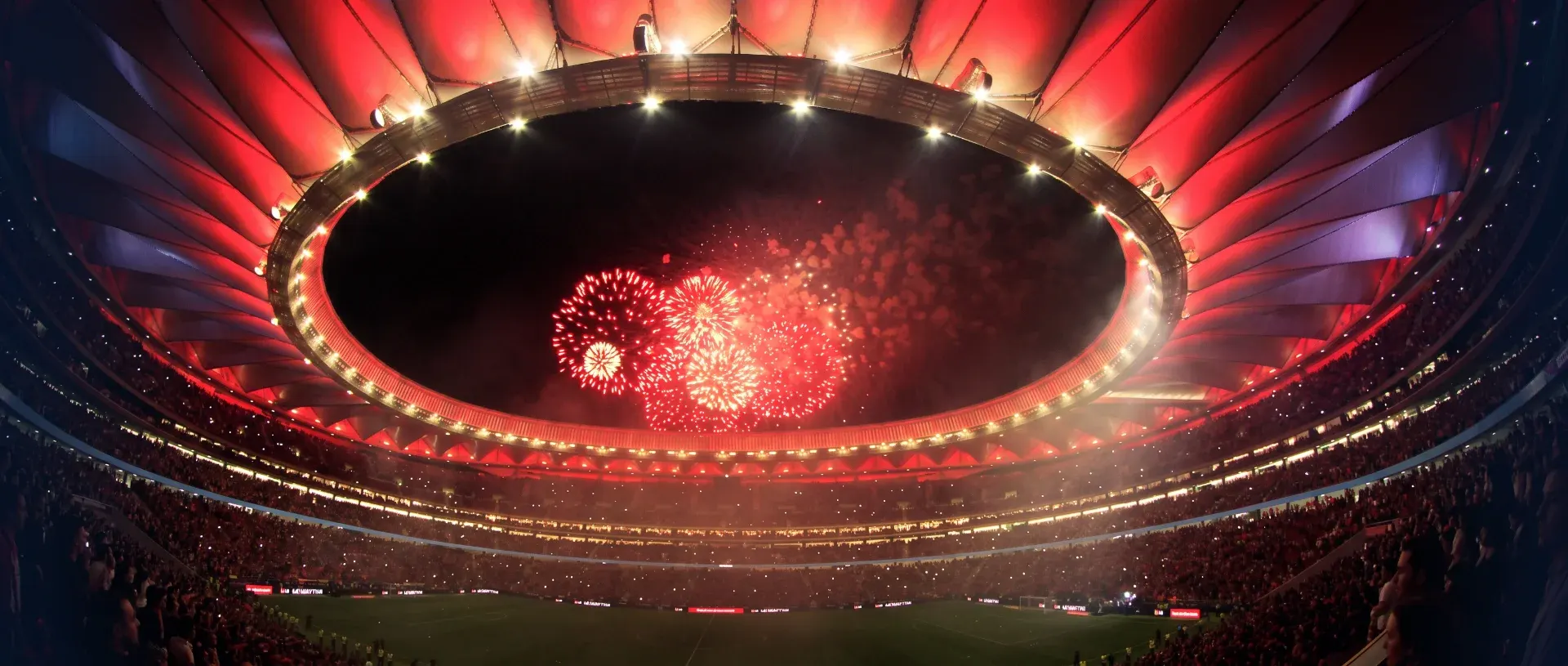
This marathon of survival runs from 8 September 2026 until January 2027, with only the best eight of the 36 earning direct passage to the last 16. The rest, those who finish between 25th and 36th, are dumped out of European competition in January itself, with no play-off and no second chance. The football world waits with bated breath for Saturday, when UEFA announce the exact dates of the calendar. Only then do the decisive steps begin towards Madrid's Metropolitano, the stadium that will crown Europe's new king of football on 5 June 2027.