


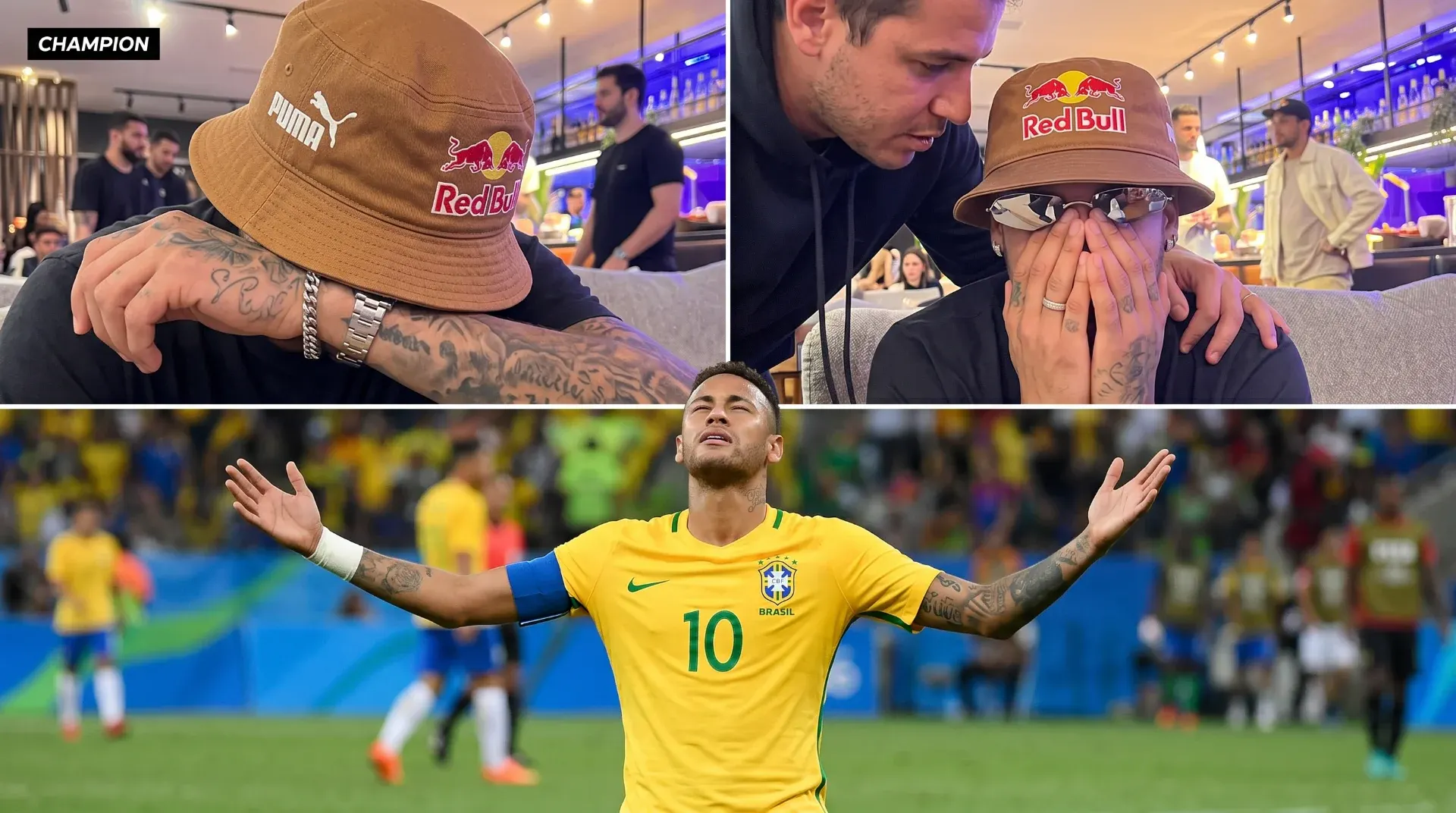
The Granja Comary training base opened on Wednesday without one central figure. The rest of the squad chased the ball, the manager watched on, and the man whose name an entire country had repeated in awe just two weeks earlier was making his way to a private clinic instead. Neymar reported to the base, but he did not train. That single missed session raised the question that will shadow Brazil for the duration of the tournament: what is the true cost of a legend racing against time?
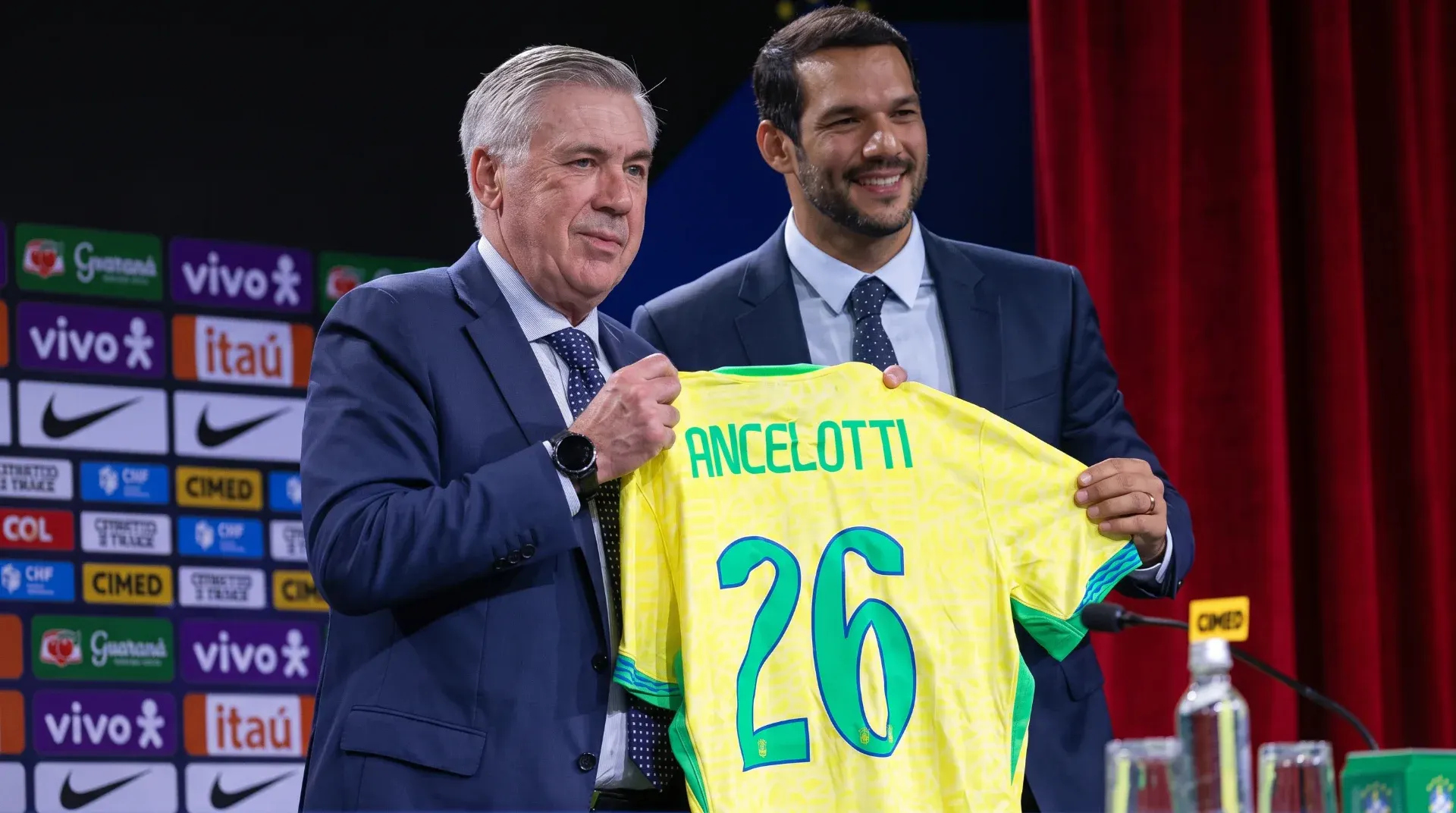
Ancelotti's Challenge
Brazil have not won the World Cup since 2002. For 24 years the five-time world champions have travelled to the tournament wearing the favourites' tag, only to return home deflated. To break that spell, the Brazilian Football Confederation took an unprecedented step, handing the national team to a foreigner.
Carlo Ancelotti took charge in May 2025 and recently extended his contract until 2030. The Italian, the only manager to have lifted the league title in each of Europe's five major divisions, arrived with one unbending principle: only a player who is physically 100 percent fit will pull on the national shirt. Those were not idle words. As far back as October, Ancelotti issued a public warning to Vinicius. "We have plenty of high-class players, and I can only pick the ones who are 100 percent ready," he said, making clear that if Vinicius were at 90 percent, somebody else would take his place.
It was against that backdrop that Neymar's recall proved trickier than it first appeared. Rodrygo damaged his meniscus and cruciate ligament, while Estevao was left out of the final squad with a thigh injury. The vacancy on the flanks turned Ancelotti's gaze towards the 34-year-old forward, and Neymar duly inherited the very spot Estevao had vacated.
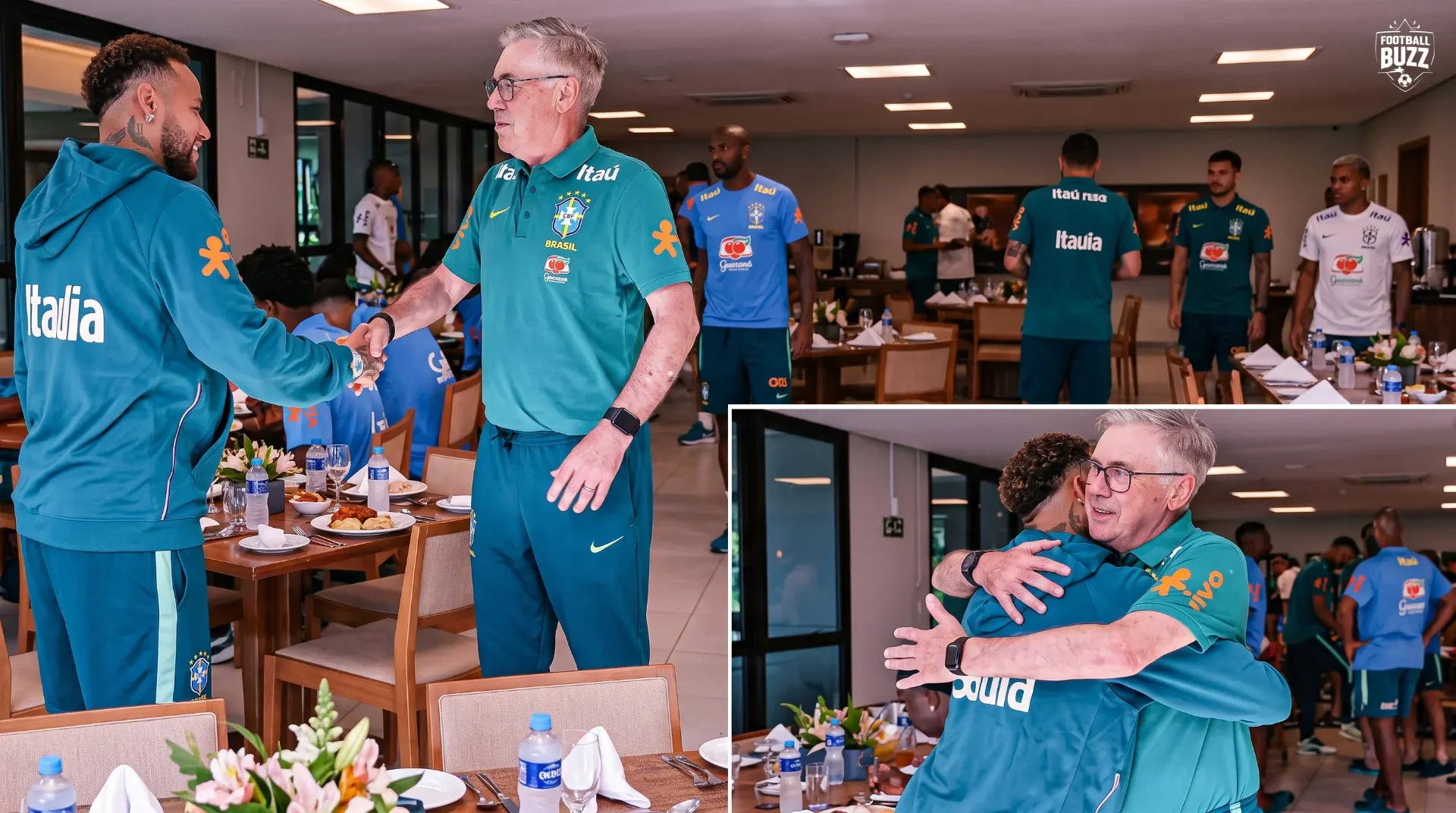
A Body In Revolt
The return began as a national celebration and ended with a dry medical bulletin. Neymar has not featured for the national team since October 2023, when he ruptured his cruciate ligament, and his career has unravelled into an unbroken run of injuries ever since. His homecoming at Santos failed to rekindle his old form, and on 17 May, in a defeat to Coritiba, the forward felt a problem in his right calf.
Santos initially tried to play it down. The club doctor, Rodrigo Zogaib, insisted it was nothing more than swelling and that the player would soon be back in training. Neymar himself was curt with reporters. "What problem?" he snapped. The magnetic resonance imaging (MRI) scan told a very different story. "Neymar came in to Granja Comary yesterday, underwent examinations, and the MRI revealed a grade two injury to the calf muscle. This is not simple swelling. His recovery will take two to three weeks," explained Rodrigo Lasmar, the national team's chief doctor.
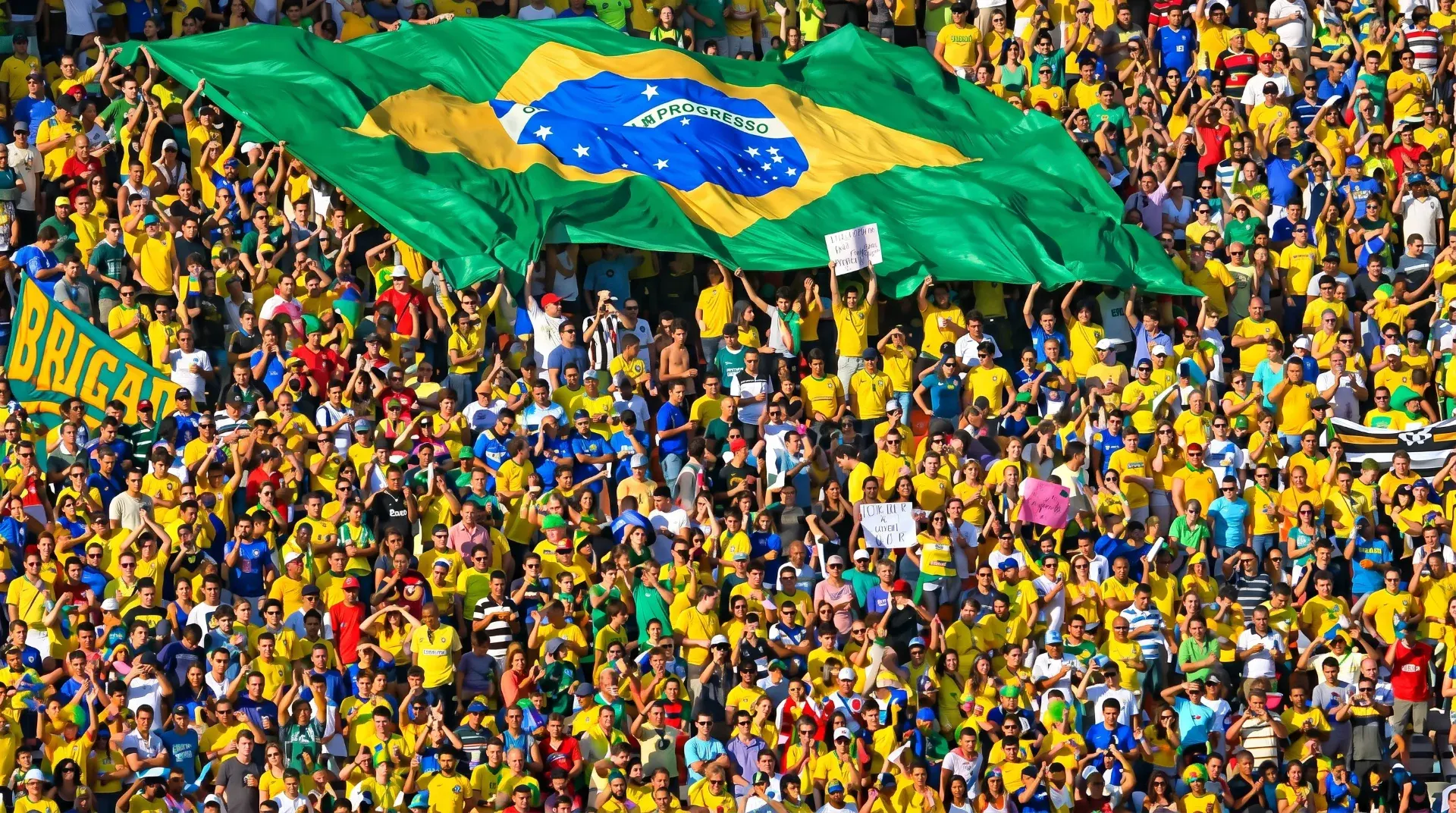
The arithmetic is merciless. Brazil open their group campaign on 13 June in New Jersey against African champions Morocco. A rehabilitation window of two to three weeks all but rules Neymar out of that fixture. The forward will also sit out two friendlies, against Panama at the Maracana and against Egypt in Cleveland. The Group C matches against Haiti, on 19 June, and Scotland, on 24 June, fall later, leaving a single narrow window for a comeback.
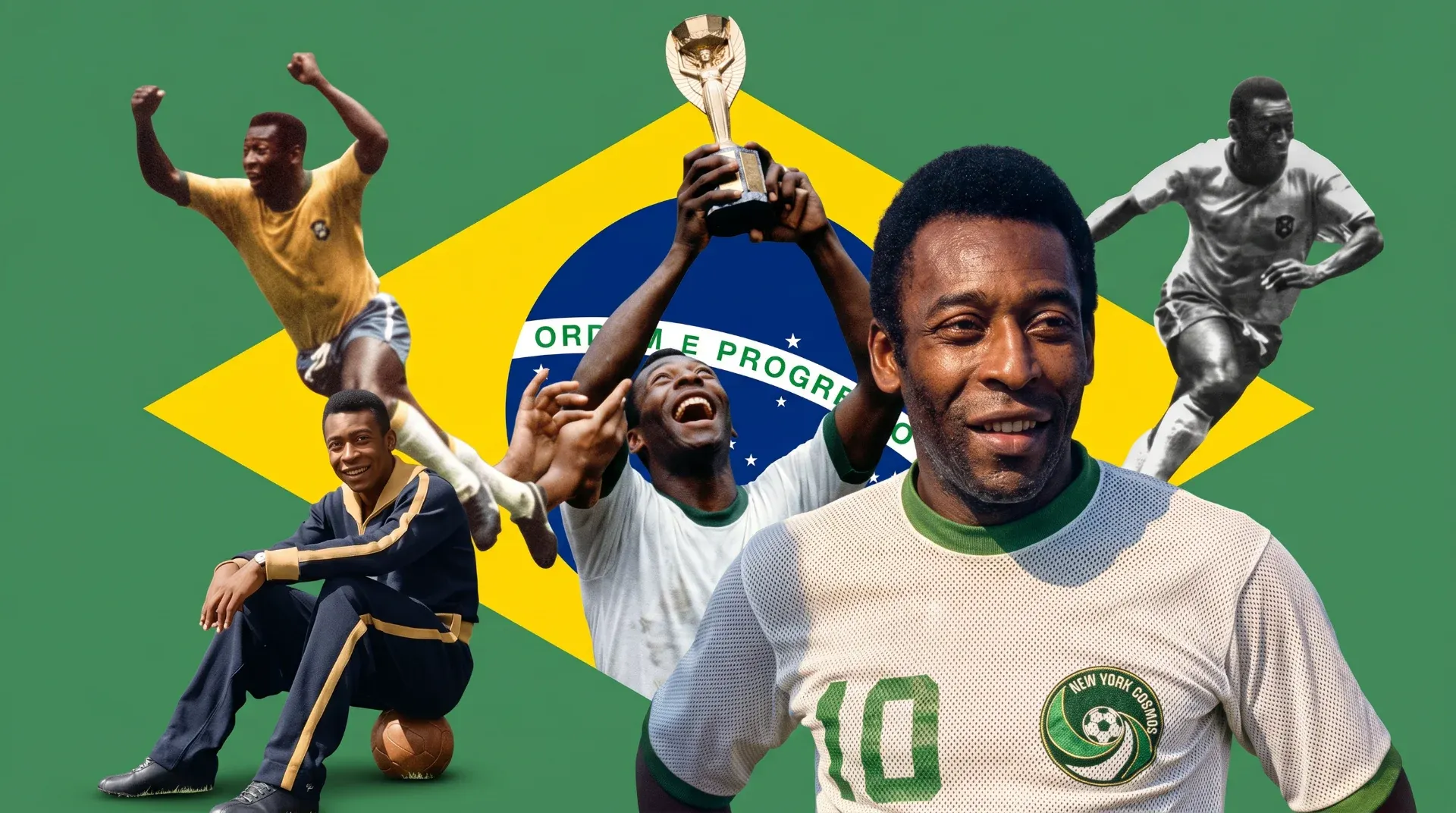
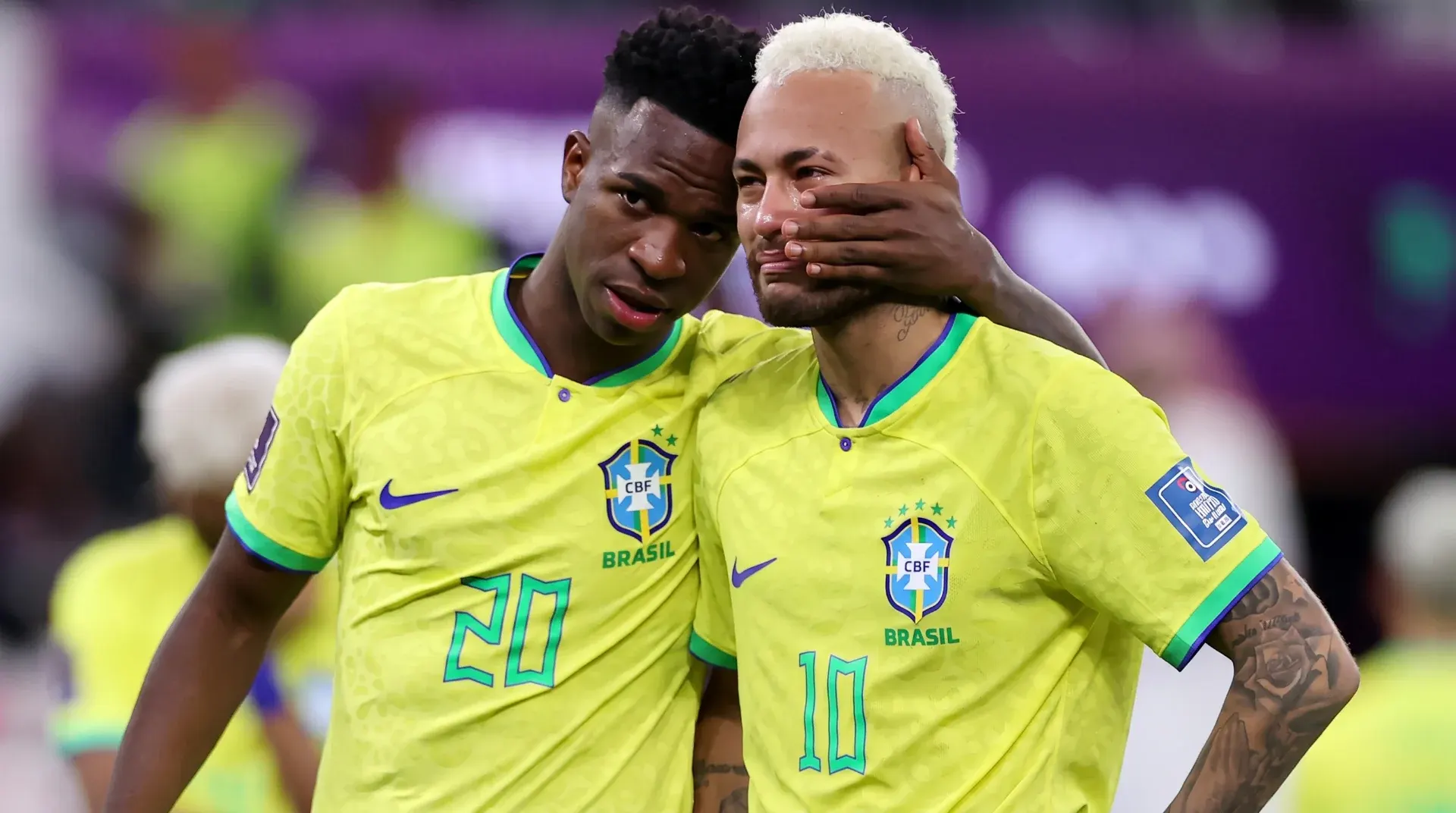
Ancelotti, for his part, left the door ajar. "He might play, he might not. Perhaps he simply sits on the bench and comes on as a substitute," he offered. The legend who toppled Pele's record to become Brazil's all-time leading scorer with 79 goals is now, in effect, a squad player whose availability will be settled barely 24 hours before kick-off.
Who Really Runs The Team?
While Neymar wrestles with time, a nation's hopes shift onto the shoulders of Vinicius Junior. The Real Madrid winger is among the most dangerous players at the tournament and the pivot of Ancelotti's attacking system. The understanding the two have built up over years at club level lends the national side a rare dynamic.
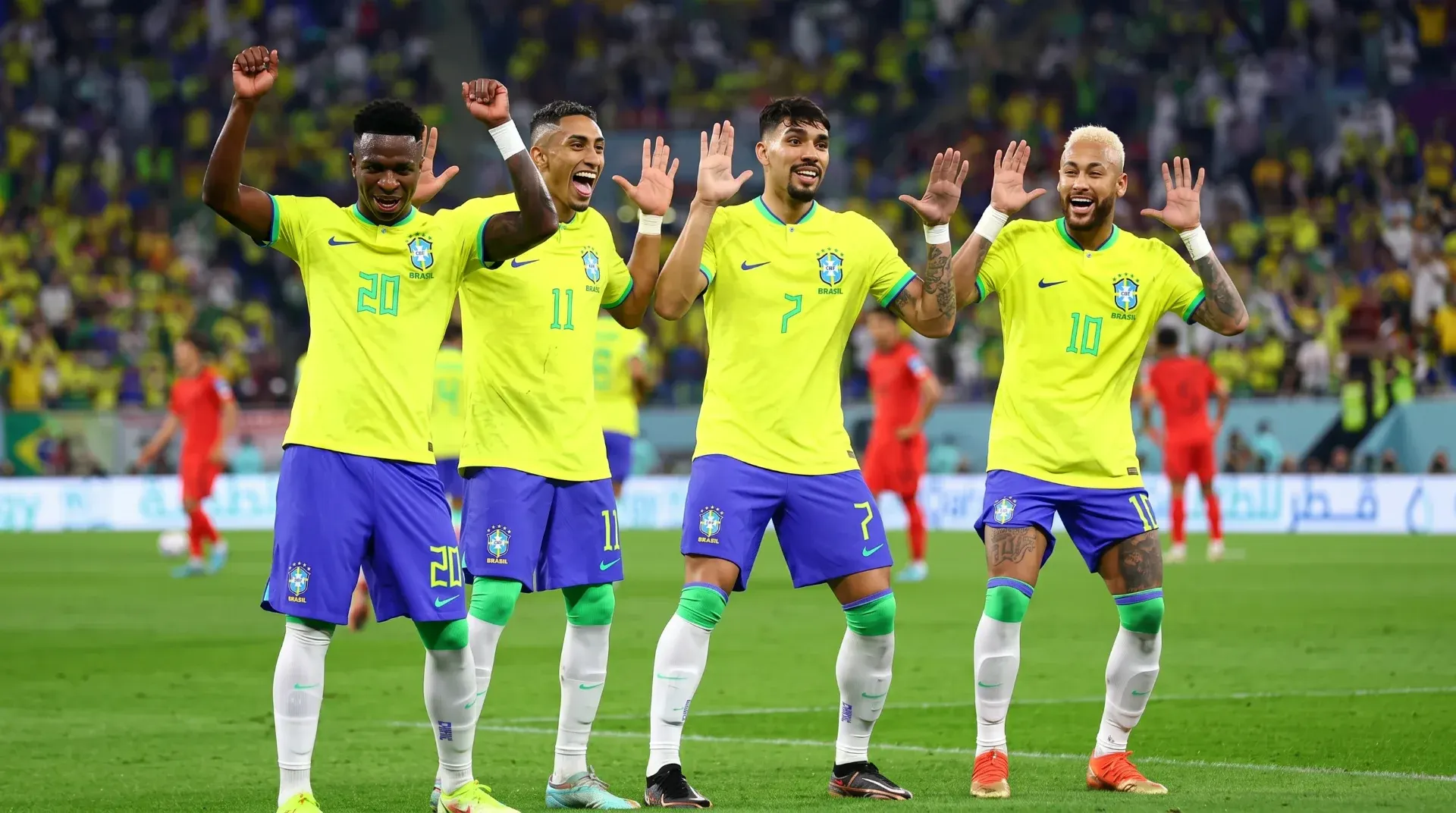
Yet World Cups are decided not out wide but through the middle. Bruno Guimaraes, Casemiro and Lucas Paqueta form the midfield core that genuinely sets the tempo of a match, dictating who keeps the ball, who quickens the play and who screens the back line. It is the least glamorous patch of the pitch, and the most decisive. This is where Brazil's ambitions will either be built or come apart. Beside them stand the young guns, Endrick and Rayan, an answer in waiting to the question of what comes after the Neymar era.
Pragmatism Over Spectacle
Ancelotti's Brazil is a world away from the dazzling but lopsided sides of previous decades. The Italian is a pragmatist. For him defensive solidity is the bedrock upon which attacking freedom must be laid, and defence was precisely the Selecao's Achilles heel at recent tournaments.
Gabriel Magalhaes, Bremer and Marquinhos are charged with forming a line that no longer commits ruinous errors, while Raphinha, Matheus Cunha and Gabriel Martinelli supply the depth the attack demands. Ancelotti's reasoning is simple: a secure base draws the opposing defence into the counter and leaves it exposed. This is no longer a team that plays football purely for its beauty. It is a machine assembled for one thing only, results.
And at the epicentre of that cold logic sits a single warm, sentimental and risky call, Neymar. The forward, for whom the 2026 World Cup will be the last of his career, has branded his return his "final mission".
The defining question lingers, one no dry medical report can ever answer. Can the 34-year-old legend overcome the fragility of his own body and deliver Brazil a historic sixth star, or will this "last dance" turn out to be nothing more than the melancholy curtain call of a great era?