


In the high-stakes world of Formula 1, dominance on the track is fragile, and nowhere is that more evident than at Red Bull Racing today. After losing chief designer Adrian Newey to Aston Martin in 2024, and team principal Christian Horner in mid-2025, the Milton Keynes outfit is now staring at a third potential departure that would dwarf the first two: Max Verstappen himself.
At the heart of the speculation lies a real, well-documented "exit clause" — and a 2026 season that has begun in disastrous fashion for the four-time world champion.
The Trail of Departures
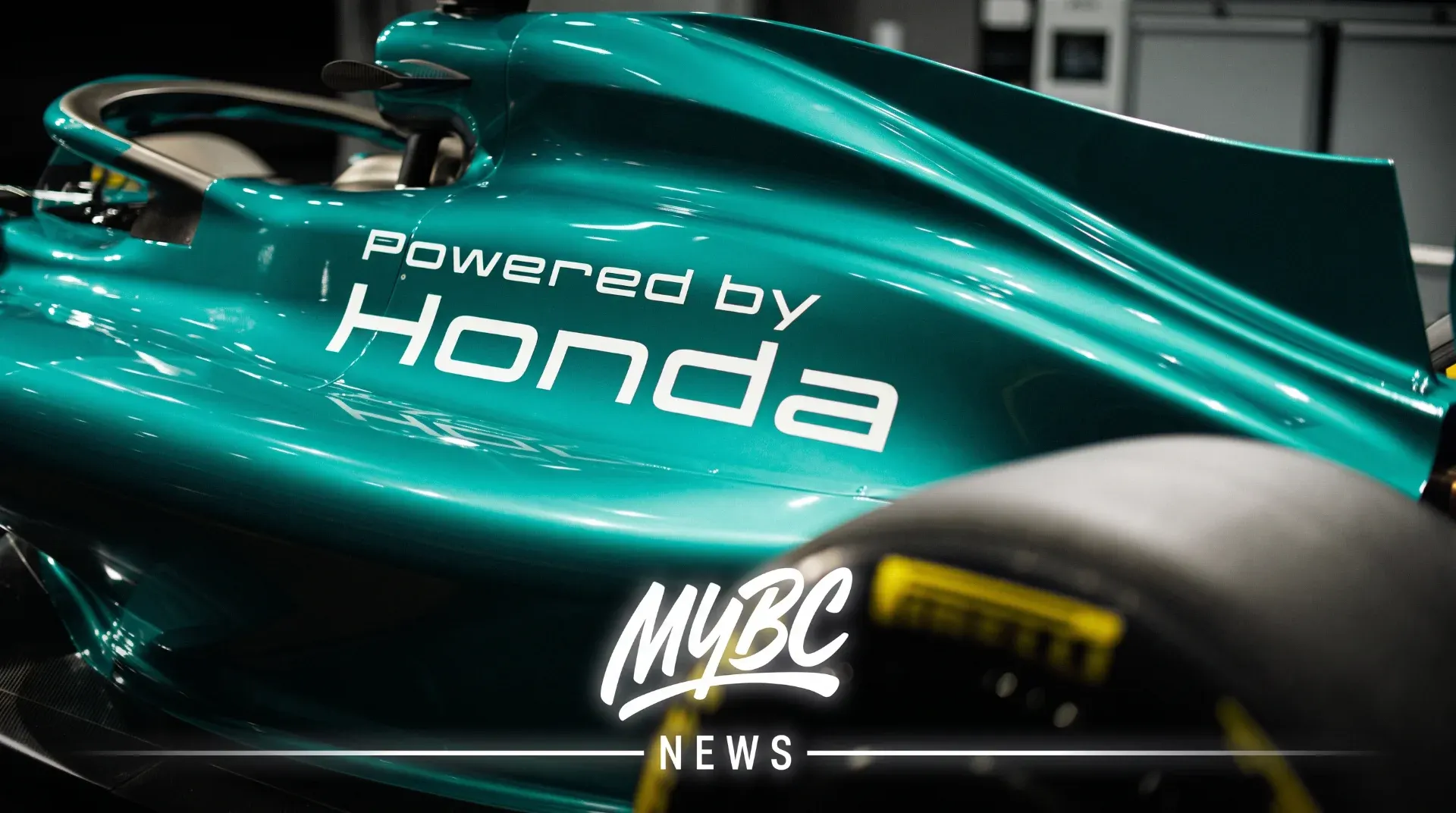
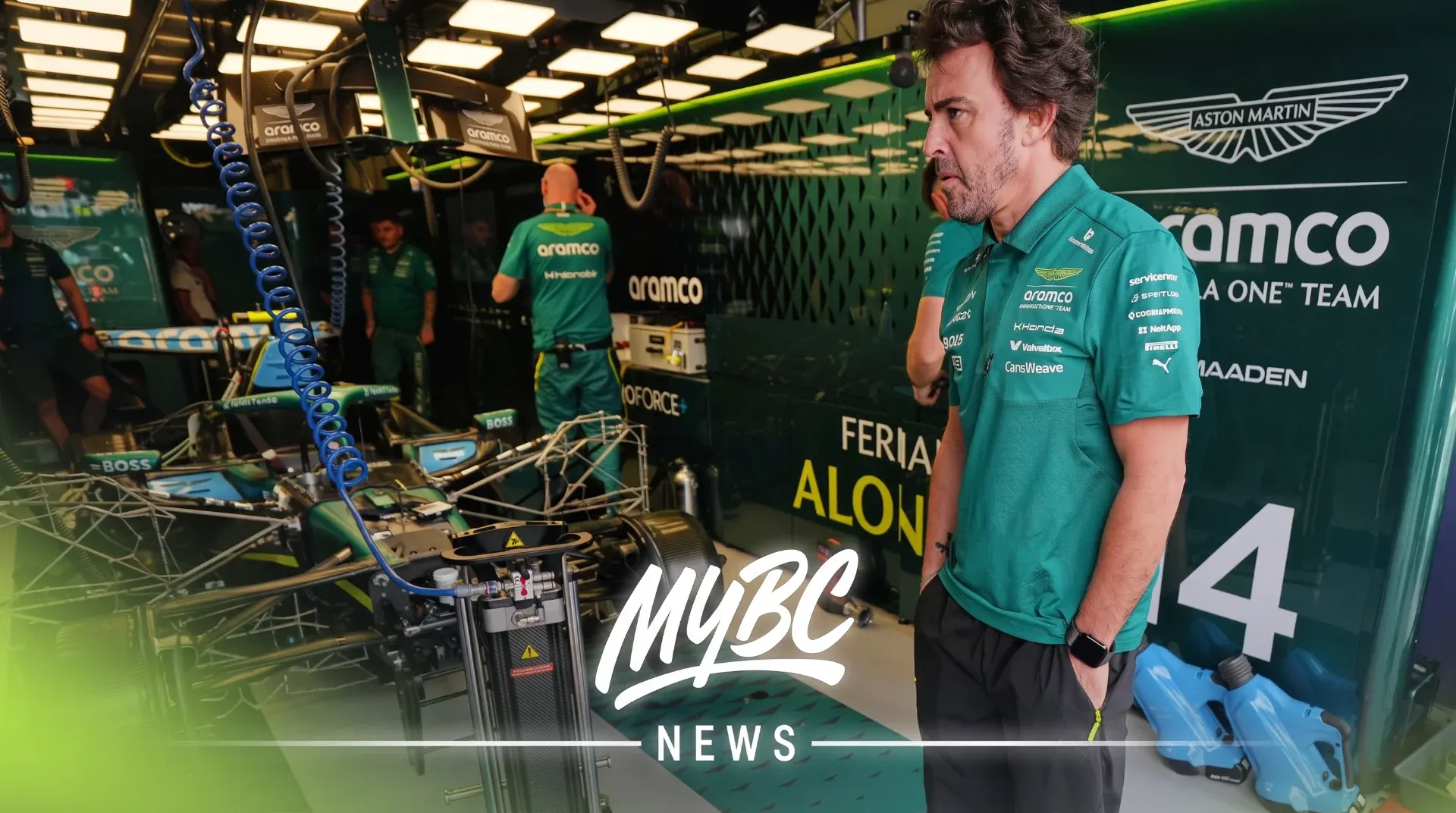
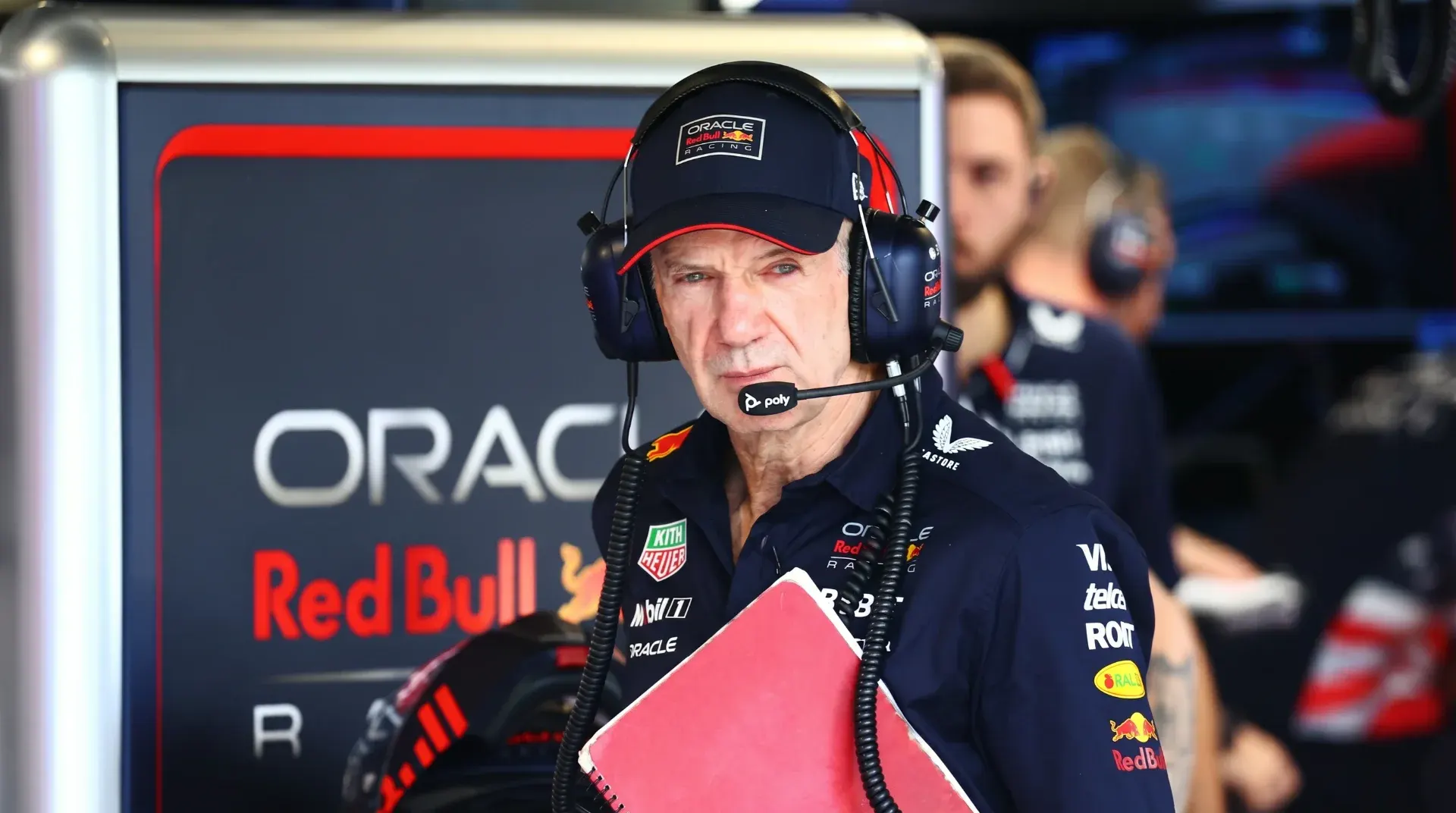
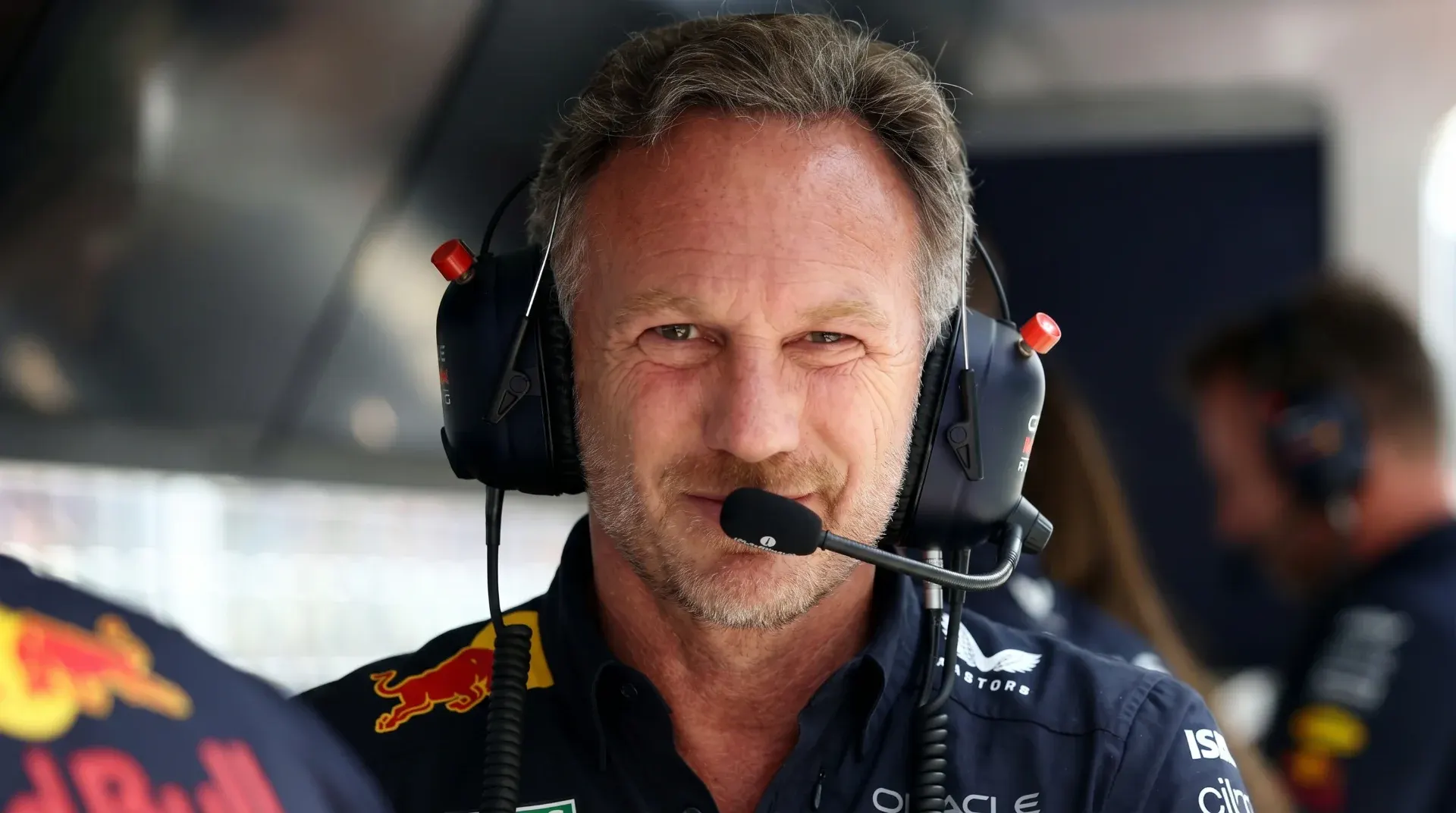
The cracks at Red Bull began appearing well before 2026. Adrian Newey — the design genius behind every championship-winning Red Bull from 2010 to 2024 — left for Aston Martin, where he is now preparing the British team's new car for the 2026 regulations. Sporting director Jonathan Wheatley left for Sauber/Audi. Designer Rob Marshall went to McLaren. Then in July 2025, after months of internal turmoil following the 2024 inappropriate-behaviour investigation and a power struggle with Jos and Max Verstappen, Christian Horner was sacked after 20 years as team principal. He officially left the team on 22 September 2025 with a settlement reportedly worth around £80 million.
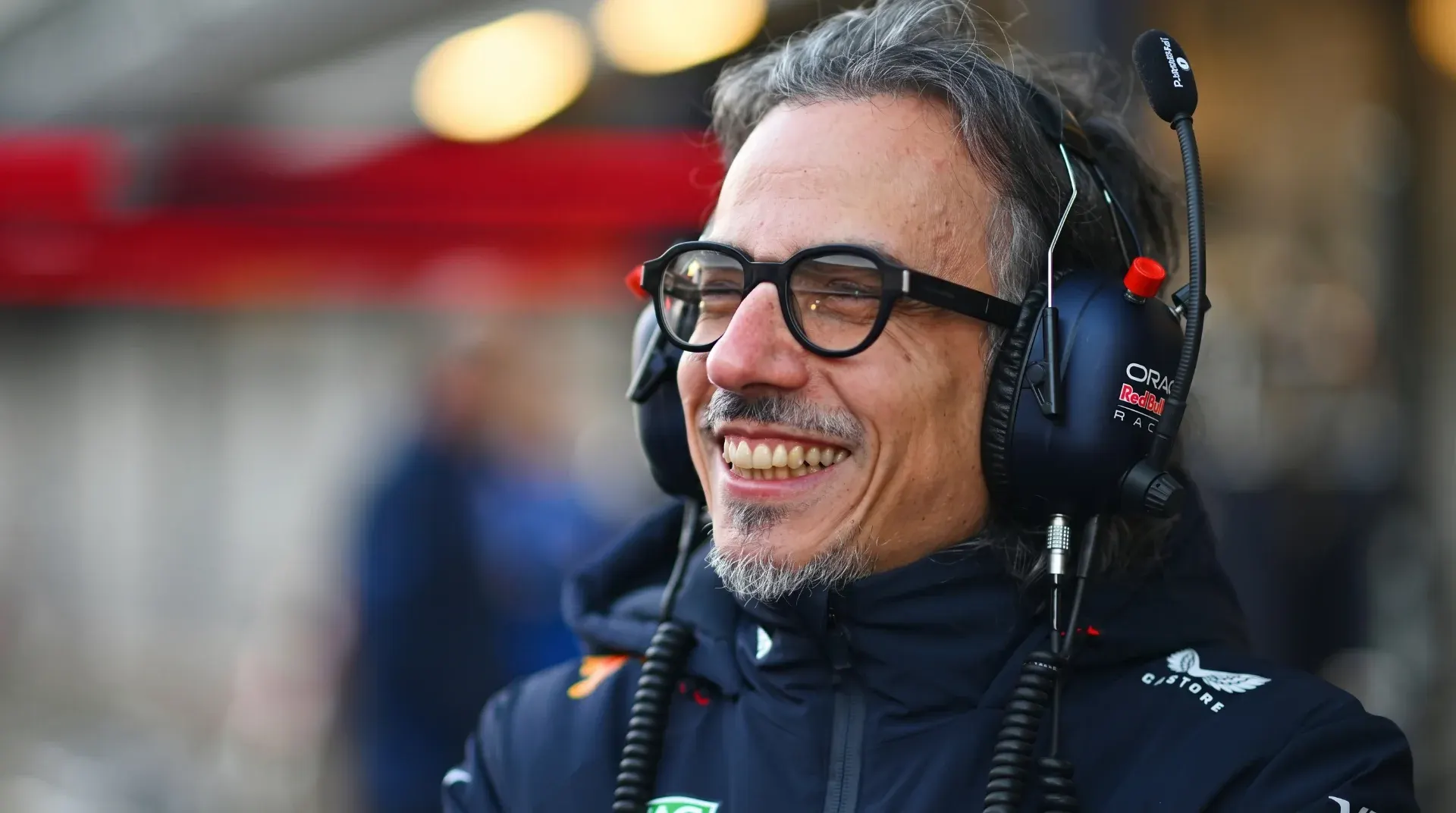
His replacement is Laurent Mekies, the Frenchman previously running junior squad Racing Bulls. Mekies is a different kind of leader from Horner — engineering-focused, conservative in the media, and not a public lobbyist. Whether that style is what Verstappen needs or what he resists is one of the central questions of the current season.
The "GP" Factor: A Package Deal
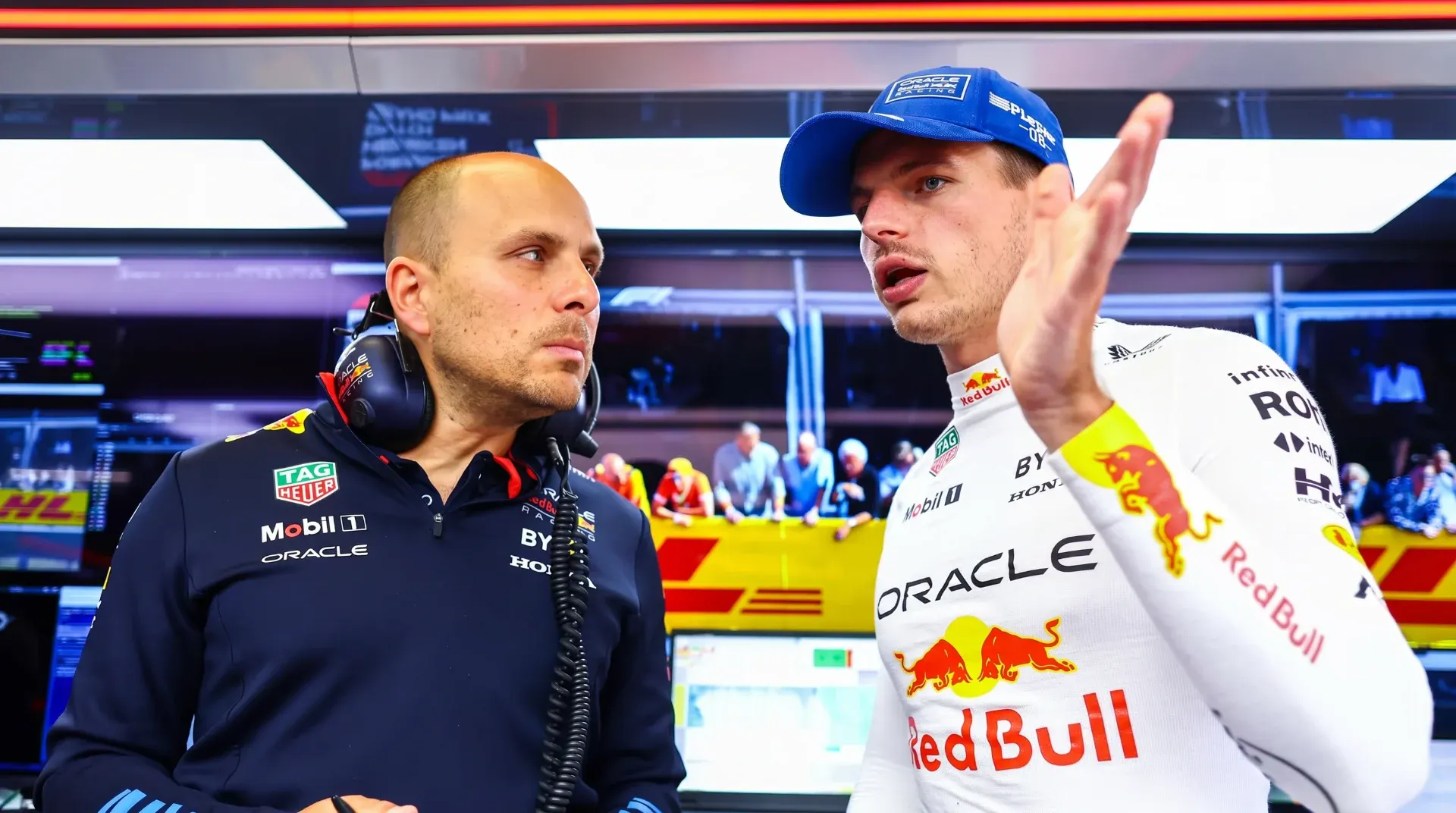
The relationship between Verstappen and his race engineer Gianpiero "GP" Lambiase has become the gold standard for driver-engineer dynamics. Their blunt, no-nonsense radio communication has been the bedrock of Verstappen's championship success.
Industry insiders suggest that if Verstappen were to trigger an exit, he would not move alone. The prospect of "GP" following Max to a rival team would be more than a personnel change — it would be a catastrophic loss of institutional knowledge for Red Bull. For any team looking to sign the Dutchman, securing Lambiase would be as essential as signing the driver himself.
The Anatomy of the Exit Clause
Unlike most contract clauses in elite F1, Verstappen's exit mechanism is now well documented across multiple credible outlets — Sky Sports F1, ESPN, Motorsport.com, RacingNews365 — and is more specific than most rumours.
The clause is tied to a single, measurable benchmark: championship position at the summer break. In 2025 the threshold was P3 — Verstappen finished comfortably above it, and the clause did not activate. For 2026, the threshold has tightened to P2. If Verstappen sits third or lower in the Drivers' Championship by the summer break (after the Hungarian Grand Prix in late July), he has the right to walk away from his contract — which formally runs to the end of 2028 — with no buyout owed. The activation window runs from August to October.
That clause was reportedly added to the contract years ago because of Verstappen's "longstanding apprehension" about the 2026 regulations, which he warned in 2023 would not produce racing he wanted to do.
The 2026 Reality
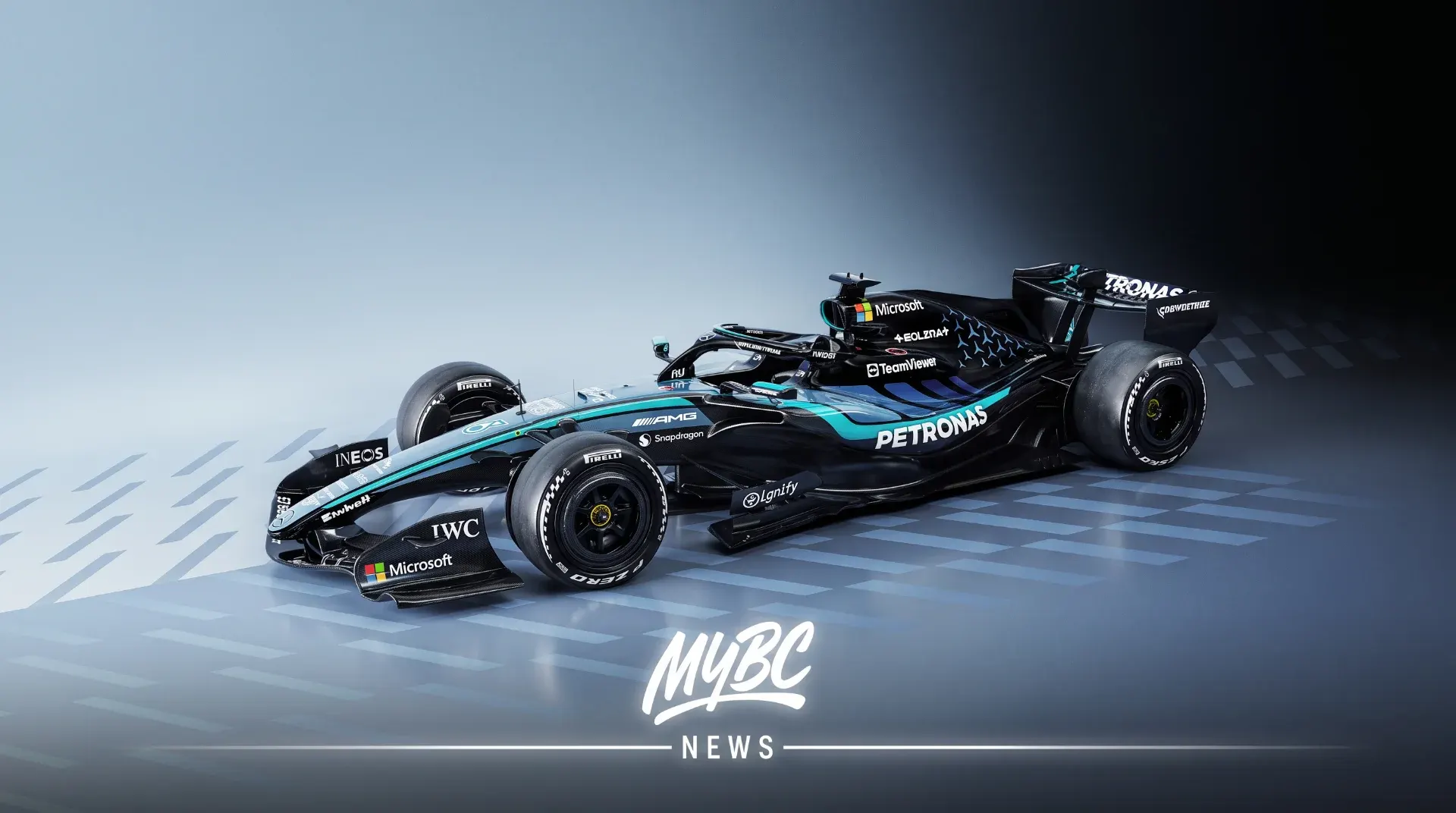
The off-track distractions are no longer the main story — the on-track collapse is. After three race weekends, Verstappen sits ninth in the Drivers' Championship with 12 points. Mercedes — with George Russell and Kimi Antonelli — have opened the new era with consecutive 1-2 finishes. Red Bull's first in-house power unit, developed with Ford, has already produced reliability retirements for both Verstappen (ERS coolant failure in Shanghai) and rookie teammate Isack Hadjar (Melbourne).
For a driver who hasn't qualified outside the top three at the start of a season since his Toro Rosso days, P9 in April is not just a slow start — it is, on current trajectory, an exit-clause activation in slow motion.
Retirement, Not Just a Transfer
What makes the 2026 situation different from previous Verstappen-to-Mercedes rumours is that leaving Red Bull may not mean joining another team at all. Following the Japanese Grand Prix, Verstappen openly told BBC Radio 5 Live that he was considering walking away from the sport entirely. He has called the new regulations a "joke" and is in active discussions with the FIA about potential rule changes for 2027. ESPN has reported that a sabbatical is on the table.
Mercedes, the most natural destination, has effectively closed its door for 2026: George Russell is contracted through 2027, Kimi Antonelli through 2029, and Toto Wolff has publicly stated there is "absolutely no reason" to consider a line-up change.
The Verdict
The Red Bull fortress that won eight Drivers' titles and six Constructors' Championships under Horner has lost its designer, lost its team principal, and now faces the very real possibility of losing its driver — to a rival, to retirement, or to the unknown. Mekies has weeks, not months, to convince Verstappen that the post-Horner era is worth staying for.
If the math of the exit clause holds — and right now it is holding — Red Bull's decade-long dominance ends not with a single dramatic moment, but with a quiet signature on a release form some time between August and October 2026.