


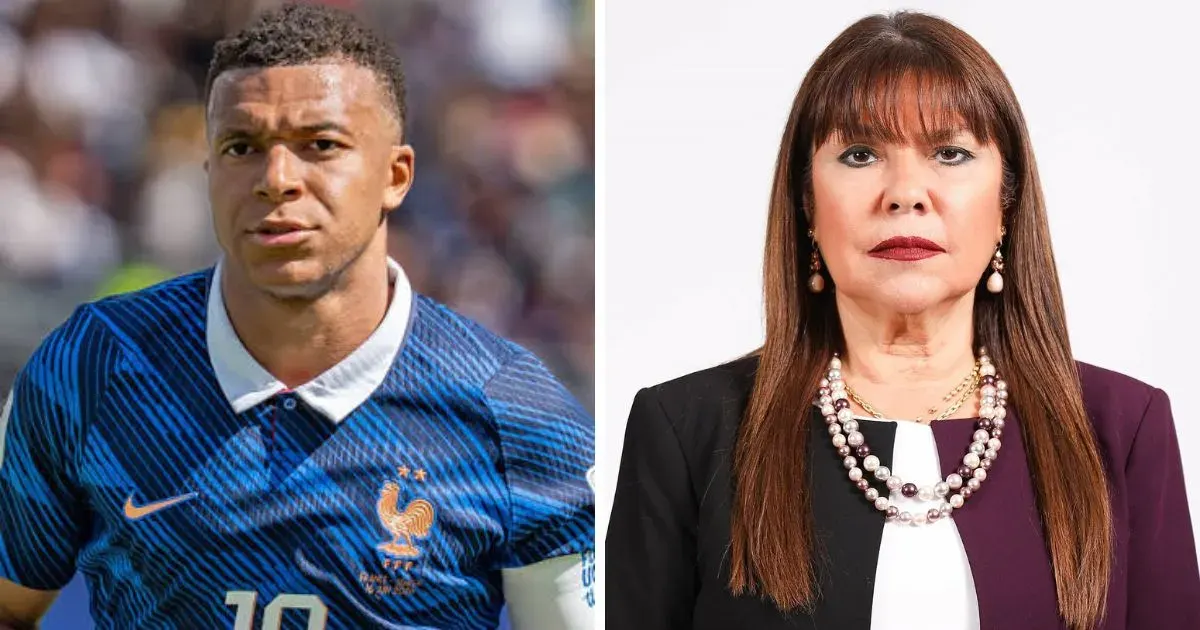
"Ugly Cameroonian who hasn't even learned to write" — that was how Paraguayan senator Celeste Amarilla addressed Kylian Mbappe after France beat Paraguay 1-0 in the World Cup last 16. In a social media post, the senator branded the 27-year-old forward a "colonised Cameroonian" stubbornly trying to pass himself off as French, and lamented that nobody had "publicly slapped" him on the pitch after the final whistle. The tirade, mocking Mbappe's education and origins, triggered immediate international outrage.
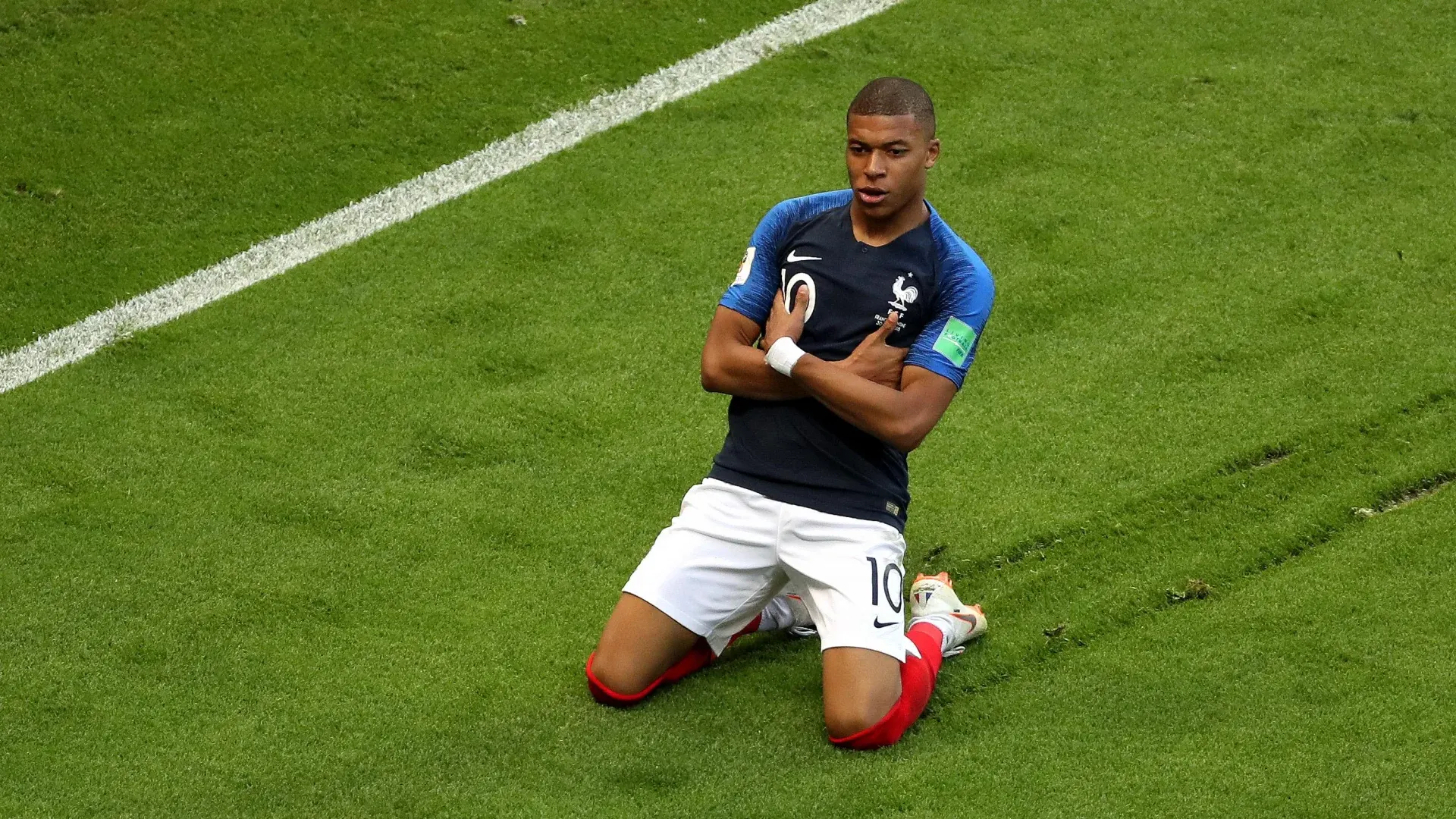
The response did not take long. "You are a vile and unworthy woman," Mbappe fired back, in comments carried by the BBC. The forward stressed that such mindless racism belittles the historic effort of Paraguay's players and overshadows the passion the country radiated throughout the tournament. The French Football Federation, meanwhile, called the episode "repugnant" and announced it would press criminal charges, pushing the row from the sporting arena into the courts.
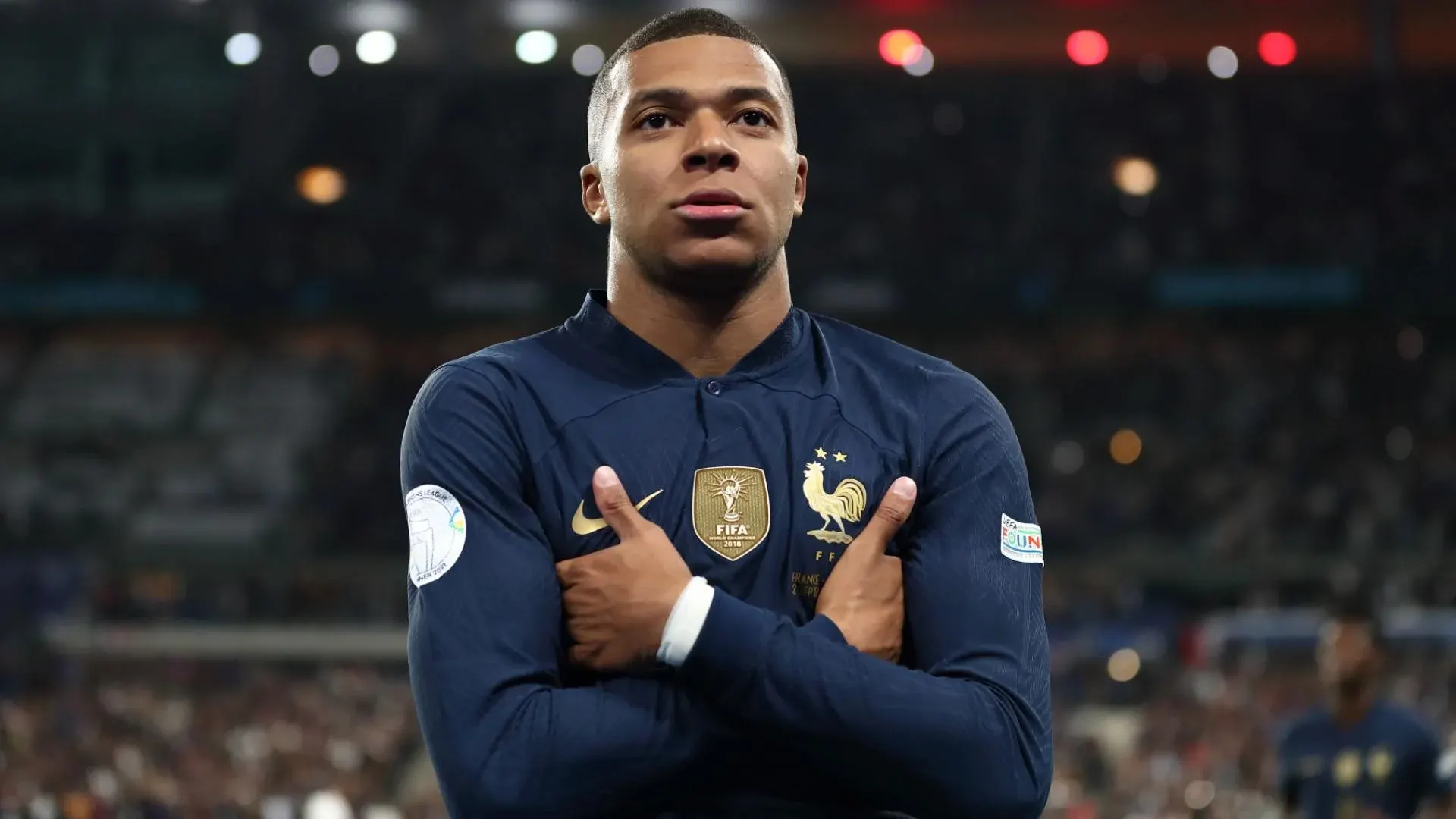
Paraguay's own institutions took a radically different line, describing Amarilla's words as damaging to the country's image. The government and MP Johanna Ortega apologised to the French people, insisting that racism runs against their values and that the lawmaker alone bears responsibility for her "hate speech". As France prepare for a quarter-final against Morocco, one question still hangs in the air: can sporting solidarity ever finally defeat the deep political and racial divides that surface so sharply beyond the pitch?