


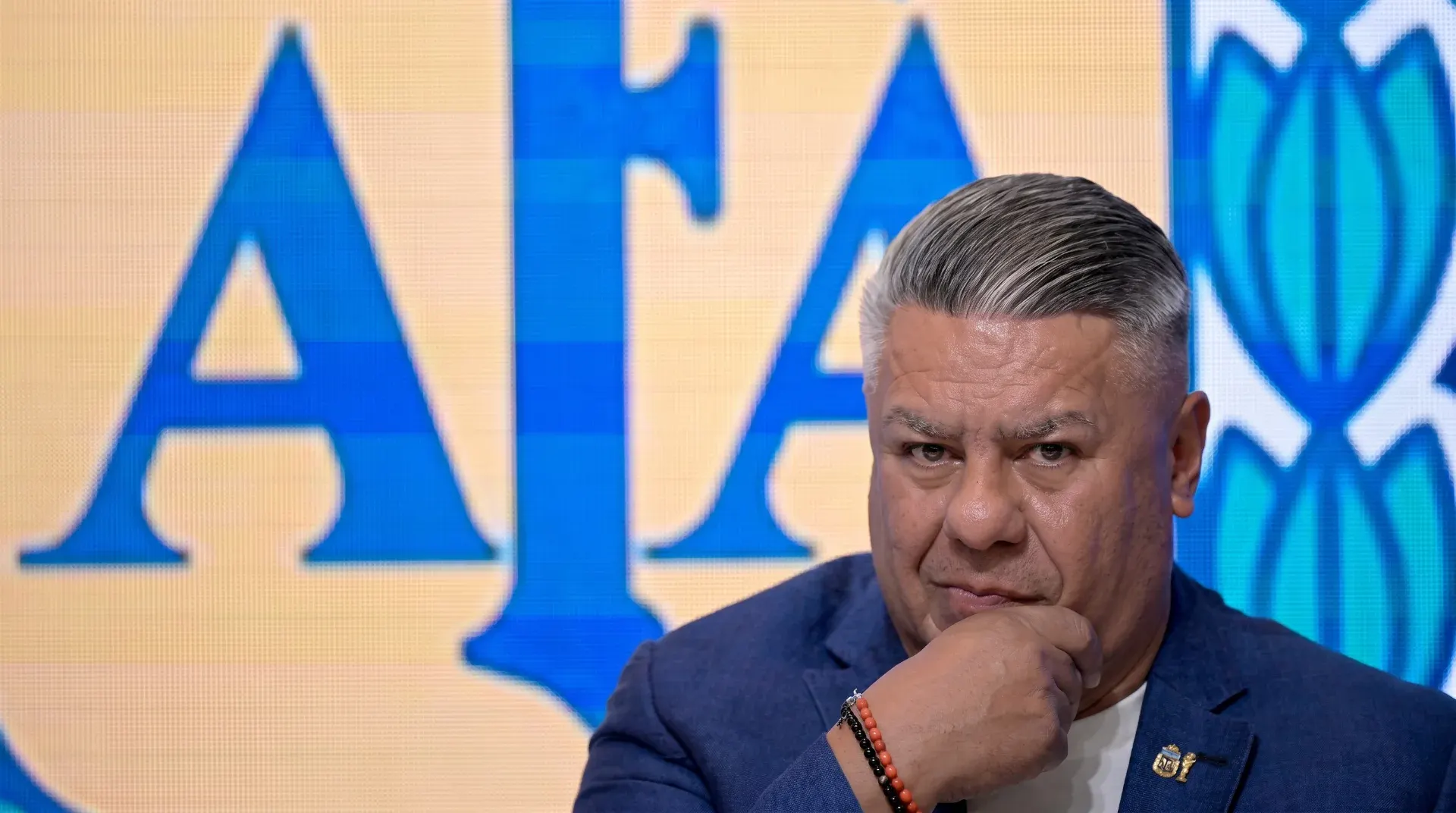
The Argentine Football Association (AFA) is going through one of the most serious institutional crises in the past decade. A web of schemes — connecting betting manipulation, the bribery of referees and underground market chains — has already touched several divisions of the country's football. Allegations, payments in cryptocurrency, leaked WhatsApp conversations, and now the formal walkout of one of its biggest sponsors — taken together, they paint one clear picture: Argentine football is being forced to think about major change.
And all of this is happening just as Lionel Messi's national team prepares to defend the World Cup.
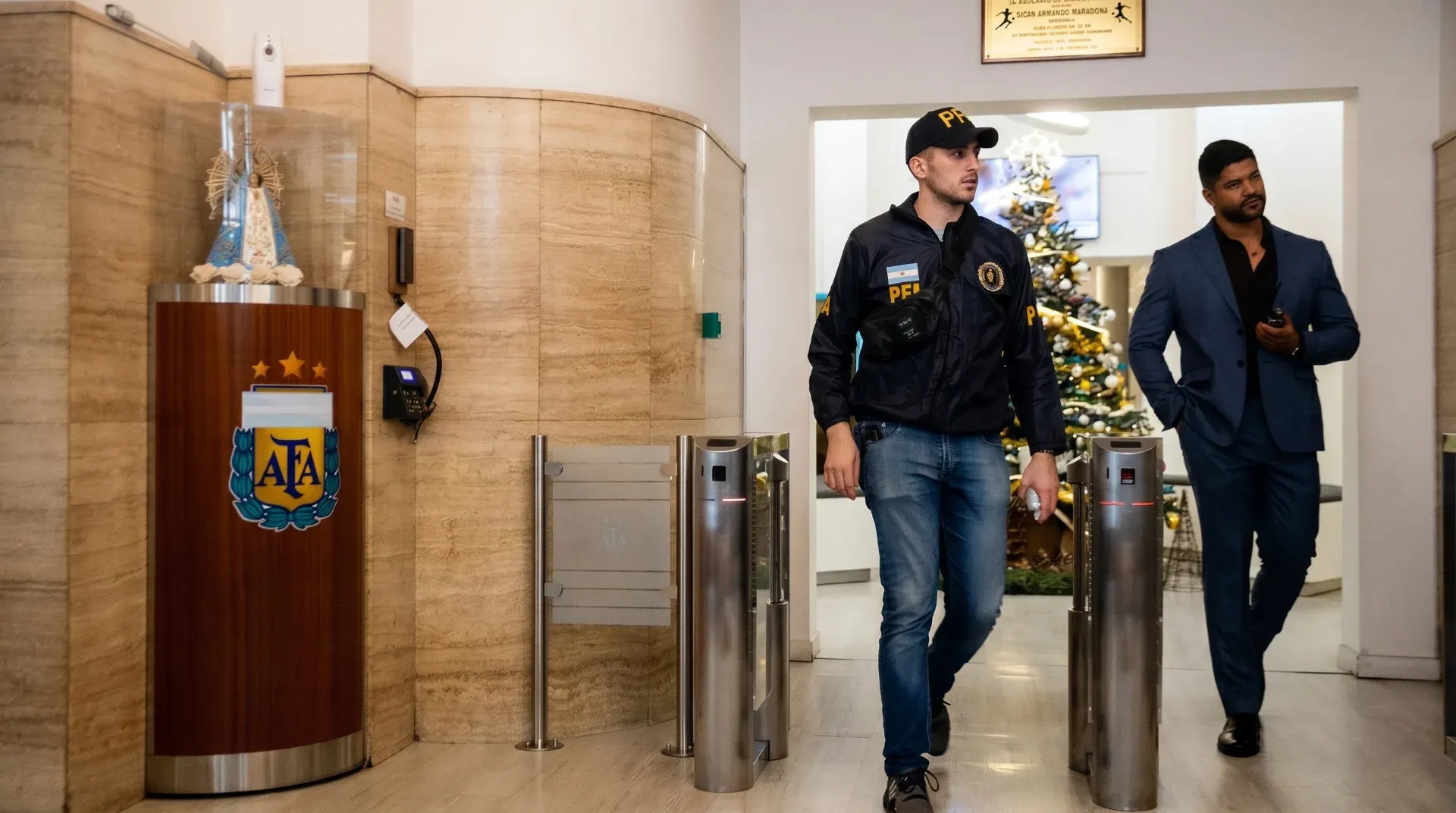
A SERIES OF SCANDALS — IN PLAIN FACTS
There is no single "main scandal" — instead, there is a series of investigations that connect to each other and form one bigger picture.
The actual situation, in facts:
Nicolás Jara — a referee removed by the AFA over suspicions of manipulating matches in the third and fourth divisions. He is alleged to have received up to $7,000 in cryptocurrency in exchange for influence.
Matías Beares — a referee banned by the AFA over personal bets placed on a second-division match. He wagered 500,000 Argentine pesos (around £385) on Deportivo Morón to beat Almirante Brown — and the team duly won 5-1, earning him over 2 million pesos. Investigators uncovered an unusual volume of bets on the exact 5-1 scoreline — around 12 million pesos wagered, with a total payout of 35 million pesos.
Six additional referees — temporarily suspended.
El Porvenir (Primera C, the fourth division) — a scheme that has now resulted in 15 individuals being formally charged, involving a Brazilian investment group, Brazilian players and a $20,000-per-month contract.
Iván "Spreen" Buhajeruk — a YouTube and Twitch streamer with over 7 million subscribers, fielded as a starter by Deportivo Riestra in a Primera División match in November 2024 and substituted off after just 50 seconds — under suspicion of being linked to betting irregularities.
Socios.com — AFA's main blockchain-based sponsor since 2021 — has now formally walked out of its current payment structure, demanded the resignation of AFA president Claudio "Chiqui" Tapia, and accused the federation of channelling sponsorship money through offshore intermediaries.
Together, these cases tell one story: the crisis is not about one match or one individual — it is systemic.
THE CENTRE OF THE SCANDAL — NICOLÁS JARA AND $7,000 IN CRYPTOCURRENCY
One figure sits at the centre of the early phase of this story — Nicolás Jara.
Jara is a referee from the third and fourth divisions of Argentine football, who was removed from a Deportivo Español vs El Porvenir fixture by the AFA the day before the match in an unprecedented emergency move. The reason — allegations that he was involved in a betting scheme.
According to leaked information published by Infobae and other Argentine sports media, Jara is suspected of receiving up to $7,000 in cryptocurrency in exchange for manipulating match outcomes. WhatsApp conversations recovered during the investigation reportedly show him coordinating with betting groups.
So far — Jara is suspected of involvement in at least 10 matches. All of them are in the third or fourth tiers — Primera B Metropolitana, Primera C, regional federal levels, where visibility is lower but where betting markets remain very active.
Buenos Aires city legislator Facundo Del Gaiso filed a formal criminal complaint against Jara. And that was only the beginning — Del Gaiso also named the AFA's National Director of Refereeing, Federico Beligoy, and the AFA's treasurer, Pablo Toviggino.
"This mechanism of silence between leaders, politicians and judges in Argentine football — around scandalous refereeing decisions, betting corruption and pressure — has to be broken," Del Gaiso said. "Let's not wait for a tragedy to happen on a field, because then it will be too late."
THE EL PORVENIR SCHEME — A BRAZILIAN INVESTMENT GROUP
And one separate investigation — the broadest one — is the El Porvenir case.
El Porvenir is a club playing in Primera C — Argentina's fourth division, in the regional Buenos Aires structure. At the start of the season, the club signed an investment contract with a Brazilian group — $20,000 per month, which gave the group control over its sporting and marketing operations.
Under that arrangement, Brazilian players were brought in — Marcos Vinicius, Alessandro Miranda, Fabio Monteiro, José Denilson — together with a Brazilian coaching staff. A Serbian agent linked to the investment group, Nícifor Simović, was also part of the operation, despite holding no formal registration.
Alarm was raised after a string of unusual on-field events in matches in the lower divisions — strange penalties, questionable yellow cards, and abnormal volumes of bets in bookmaker markets.
The AFA's disciplinary tribunal handed four players 90-day provisional bans. Simović was banned from entering any stadium in Argentina for the same period.
Then the case widened — in January 2026, the Argentine judiciary formally charged 15 individuals in connection with match manipulation and betting fraud. Among those indicted — the former president of El Porvenir. A provincial official, Nicolás Gauna, was also accused of placing bets through intermediaries and profiting from outcomes against his own team. Total estimated gains from the alleged scheme — around 5 million Argentine pesos.
The full scale of the money involved is not yet clear. But one fact stands out — this was the first time in Argentine history that the judiciary formally notified the AFA about a match suspected of being manipulated through regulated betting platforms.
And that is a historic moment for Argentina's wider legal system.
One more fact frames everything — El Porvenir is not appearing in this kind of scandal for the first time.
In 2022, the same club, in the same division (Primera C), was at the centre of a similar type of scheme — match manipulation linked to betting. Players at the time admitted that they had taken money to influence the result of matches. Goalkeeper Diego Córdoba reportedly confessed to internal sources that he had been working with betting syndicates.
One club. Two scandals. Four years apart.
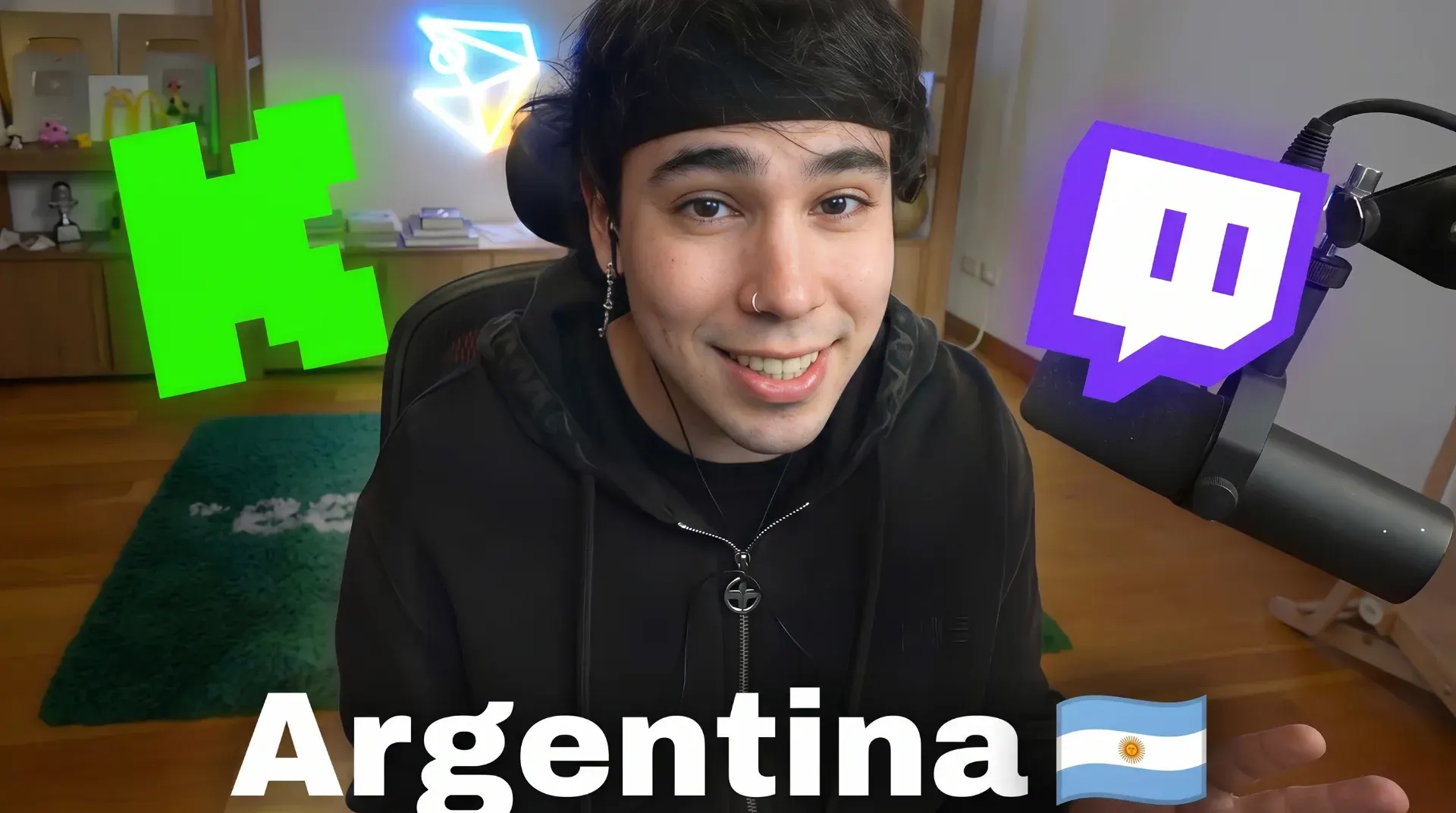
THE SPREEN ANOMALY AT DEPORTIVO RIESTRA
And there is one more case — this time in Primera División itself.
In November 2024, Deportivo Riestra, a club in Argentina's top flight, included streamer Iván "Spreen" Buhajeruk in their starting eleven for a match against league leaders Vélez Sarsfield. Spreen — with more than 7 million YouTube subscribers, plus an active Twitch following — is not a professional footballer. He was registered with the AFA in February 2024 as part of an advertising arrangement, then started as Riestra's striker against Vélez and was substituted off after 50 seconds, without touching the ball.
The official version — marketing, content, club social-media strategy.
The actual scenario triggered another concern — a betting anomaly. Around 48 million pesos (approximately $277,000 at the time) had been wagered on the match, and bookmakers' markets had registered an unusual volume of bets on highly specific in-game scenarios — substitution timings, particular events surrounding Spreen's appearance.
The Argentine Specialised Prosecutor's Office for Gambling launched an investigation into whether Riestra coach Cristian Fabbiani and Buhajeruk "had the intention of attracting gamblers on illegal platforms."
Even AFA president Claudio Tapia condemned it: "It was a disrespect to football and a misguided message to society. There are young people who dream of becoming professionals and strive to make it, and we have the responsibility to protect those values."
Argentina national team head coach Lionel Scaloni also publicly expressed concern.
Riestra was eventually fined by the AFA. And the betting anomaly — at the federation's top level — became a serious blow to the AFA's reputation.
THE $9 MILLION SPONSOR WALKOUT
And then, in January 2026, the most damaging development of all.
Socios.com — the blockchain-based fan engagement platform that has been one of AFA's main commercial sponsors since 2021 — formally announced it would stop routing sponsorship payments through intermediaries.
According to documentation obtained by La Nacion, Socios.com had transferred $9.05 million to entities linked to AFA commercial operations since January 2021. But less than $500,000 of that had gone directly to the federation. The rest — around $8.55 million — had been routed through offshore companies, including Q22 Services Limited, Stratega Consulting USA LLC, Odeoma Gestión SL, and Tourprodenter LLC. More than $6.2 million alone went through Tourprodenter.
Socios.com had requested information from the AFA in 2022 about the ultimate beneficial owners of those intermediaries. According to the sponsor, that information was never provided.
In its statement, Socios.com went further — and called for the resignation or suspension of AFA president Claudio "Chiqui" Tapia, treasurer Pablo Toviggino, and other senior officials. The company also said it would cooperate fully with judicial and regulatory authorities in Argentina, the United States and Spain — and urged other major AFA sponsors, including Adidas, to place future payments into escrow accounts and demand direct transfers to the federation.
It is the first direct financial fallout from the widening scandal — and the first time a major AFA partner has openly demanded the president's removal.
DEL GAISO'S BILL — A PUSH FOR LEGAL REFORM
The political dimension of the crisis is now in motion.
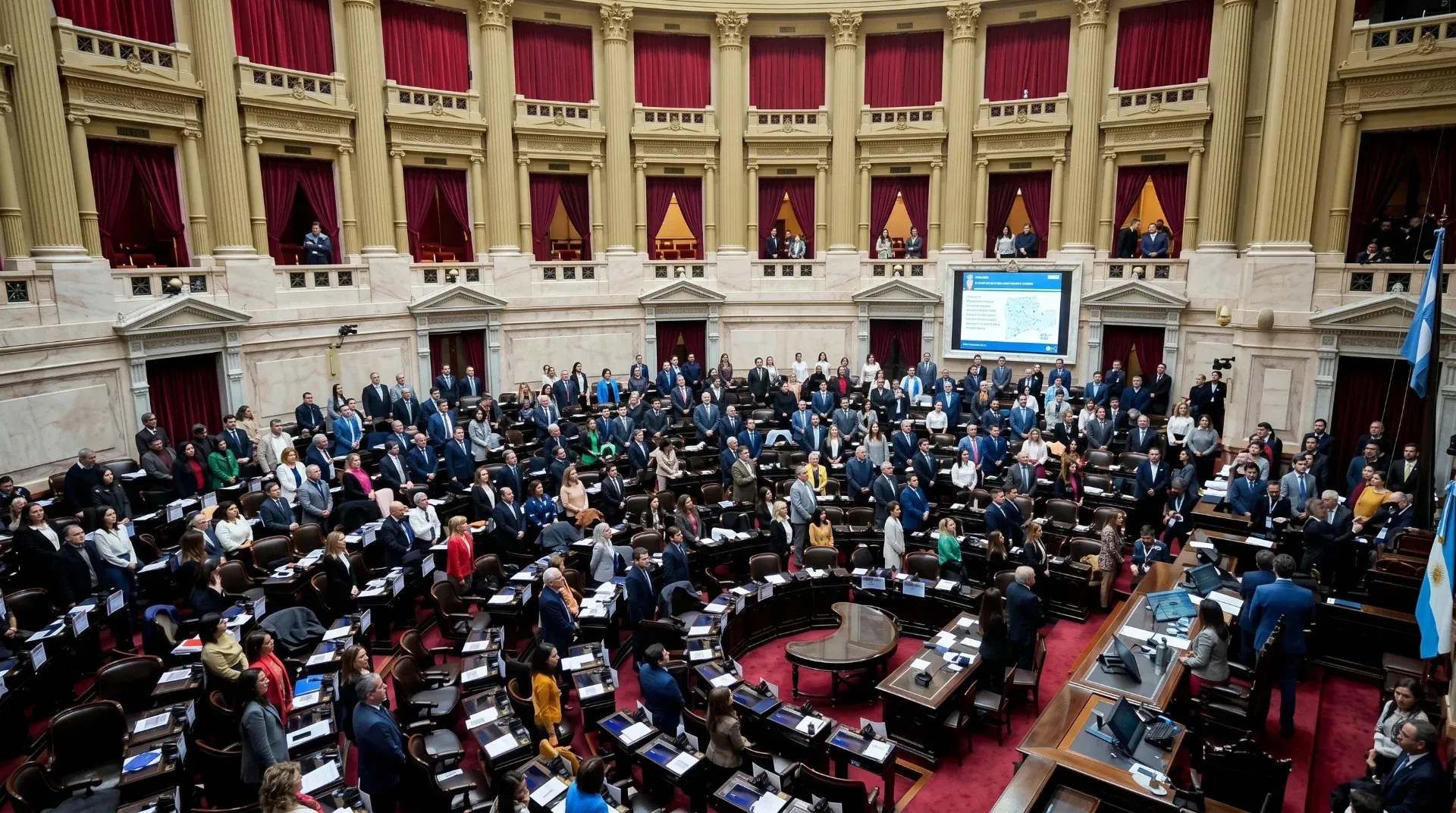
Facundo Del Gaiso, the Buenos Aires city legislator, has introduced a bill that would require Argentine football referees to file an annual financial declaration. The idea is straightforward — to open up the personal financial situation of referees, in order to identify cases where someone's standard of living cannot be explained by their official salary.
"The situation around refereeing is worrying," Del Gaiso said. "We have to investigate the financial situation of these officials, because some of them have a standard of living that cannot be explained by what they earn from their work."
The bill also proposes that Argentina's gambling authority be required to share reports with the AFA and the judiciary on suspicious betting transactions.
And on the broader picture, Del Gaiso said one line that captures the whole story: "A lot smells rotten in the AFA. The relationship between scandalous refereeing decisions and betting must be investigated."
SUR FINANZAS, ESTUDIANTES, AND THE FIFA BAN QUESTION
And the picture goes wider still.
In late 2025, Argentina's Justice Department targeted Sur Finanzas, a company strongly linked to the AFA, over the transfer of Agustín Urzi from Banfield to FC Juárez in Mexico.
That same period, Estudiantes de La Plata — the club led by Argentine football icon Juan Sebastián Verón — won the Clausura championship after defeating Racing 5-4 on penalties. But Verón himself was unable to receive the champion's medal — he had been disqualified by the AFA in the lead-up to the match. His team's open confrontation with the federation became one of the dominant institutional stories of the Argentine season.
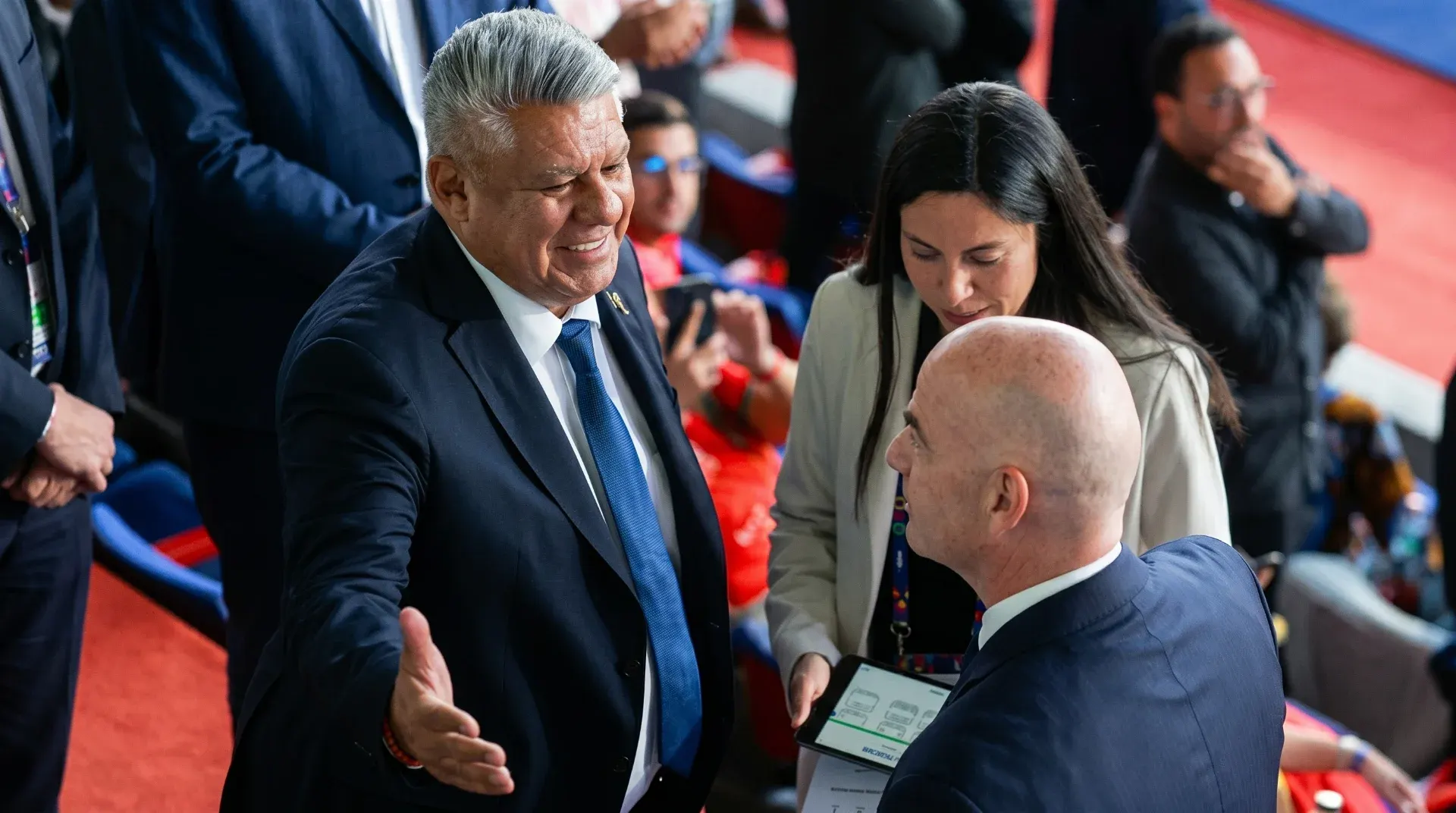
On the international level, the question becoming impossible to avoid: could FIFA ban Argentina from the 2026 World Cup over the AFA crisis? Argentine football media have actively raised the possibility. No formal FIFA action has been announced. But the very fact that the question is being asked — about the reigning world champions — speaks to the depth of the crisis.
AND FINALLY — THE MESSI BACKDROP
And here is the context that gives this whole story its own emotional weight.
Against the backdrop of all of this — Jara's WhatsApp messages, El Porvenir's Brazilian investment scheme, the Spreen betting anomaly, Socios.com's $9 million walkout — the Argentine national team is preparing for the 2026 World Cup.
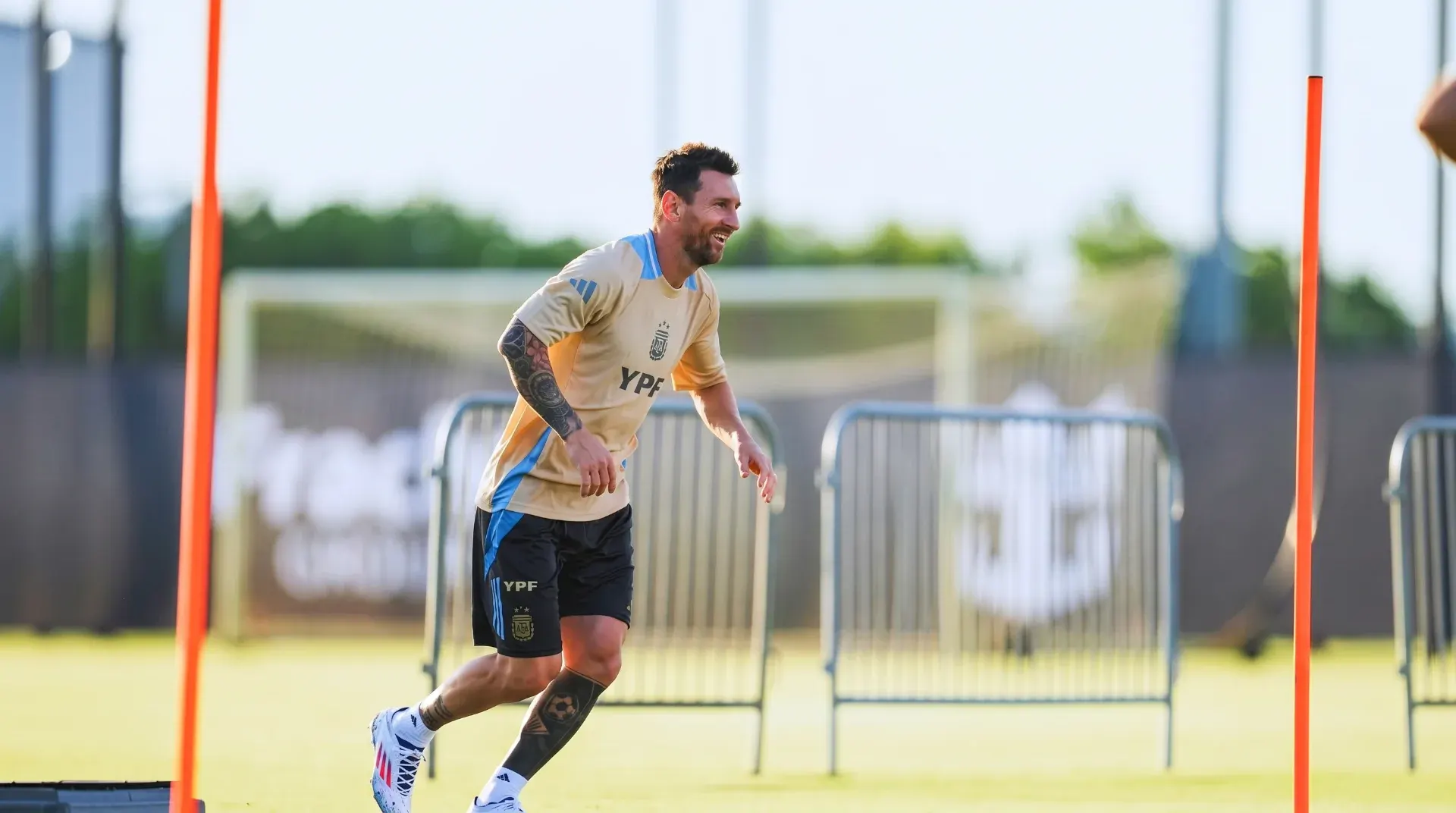
Lionel Messi is 38. He turns 39 during the tournament itself. This will be his last World Cup. In 2022, in Qatar, he led Argentina to the title — at the age of 35, on his final attempt. Now he is approaching the closing stages of his playing days, and the entire Argentine football world is gathered around him in pride.
And yet, the AFA — the federation that should be providing the organisational support behind Messi and the national team — is mired in an internal crisis. Referees under suspension. Clubs in the middle of betting scandals. A major sponsor publicly calling for the president's resignation. Politicians demanding legal reform. And fans in the stands losing trust.
The contrast is impossible to miss — on one side, a global vision, the unity of a nation gathered around Messi's final chapter. On the other — an internal federation rotting from within, threatening the silence of its own stadiums.
If the AFA does not bring its internal investigations to a fast and clear conclusion, Messi's last World Cup will not be a celebration of unity — it will be a moment of pride lit against the backdrop of scandal.
And it is on that exact question that everyone in Argentine football is now waiting for an answer — fans, club presidents, politicians, players. Sooner or later, the federation and its leaders will be forced to respond.
For now — there is silence.