



A tragic incident occurred in Denmark, north of Odense, on Sunday. A 24-year-old Icelandic man died while performing a jump at a skydiving centre. Danish police are now investigating to determine whether the cause was a technical failure or human error.
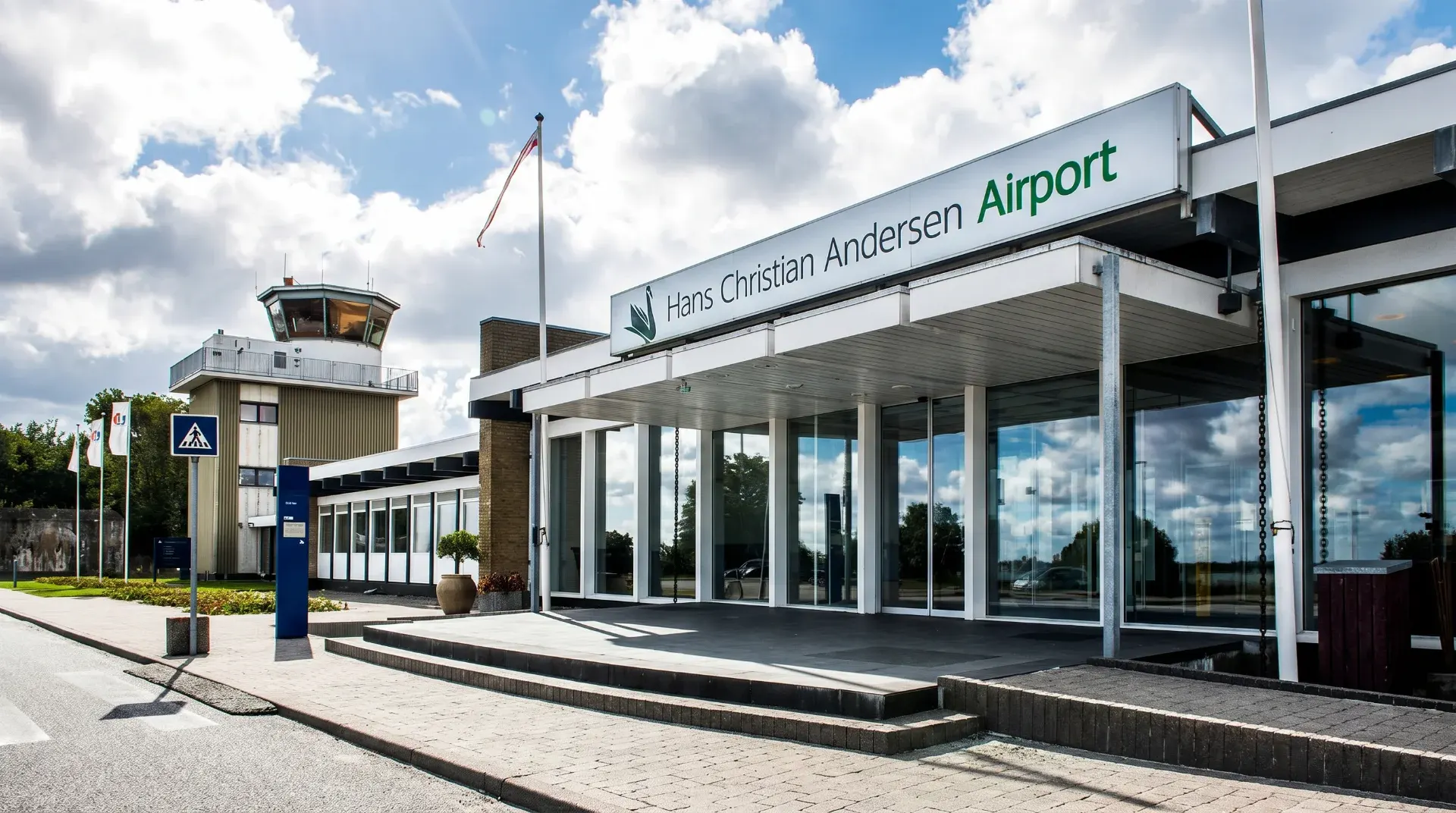
The incident took place at the Odense Faldskærmscenter, located near Beldringe Airport, north of Odense. Police received the call on Sunday, April 26, at 11:30 a.m. Emergency services and police arrived at the scene immediately, but the man's life could not be saved.
In its first statement, Fyns Politi described what had happened in plain terms:
"Some people from a skydiving club were out skydiving, and then the parachute did not open properly."
"I Could See That Something Was Not Normal"
Several people witnessed the incident. Among them was Flemming Olsson — the former chairman of Dansk Faldskærms Union (the Danish Parachute Union) and an experienced skydiving professional.
Olsson spoke to the regional outlet fyens.dk:
"The parachute opened, but then it began to rotate. I could see that something was not normal. Unfortunately, the rotation continued all the way down to the landing."
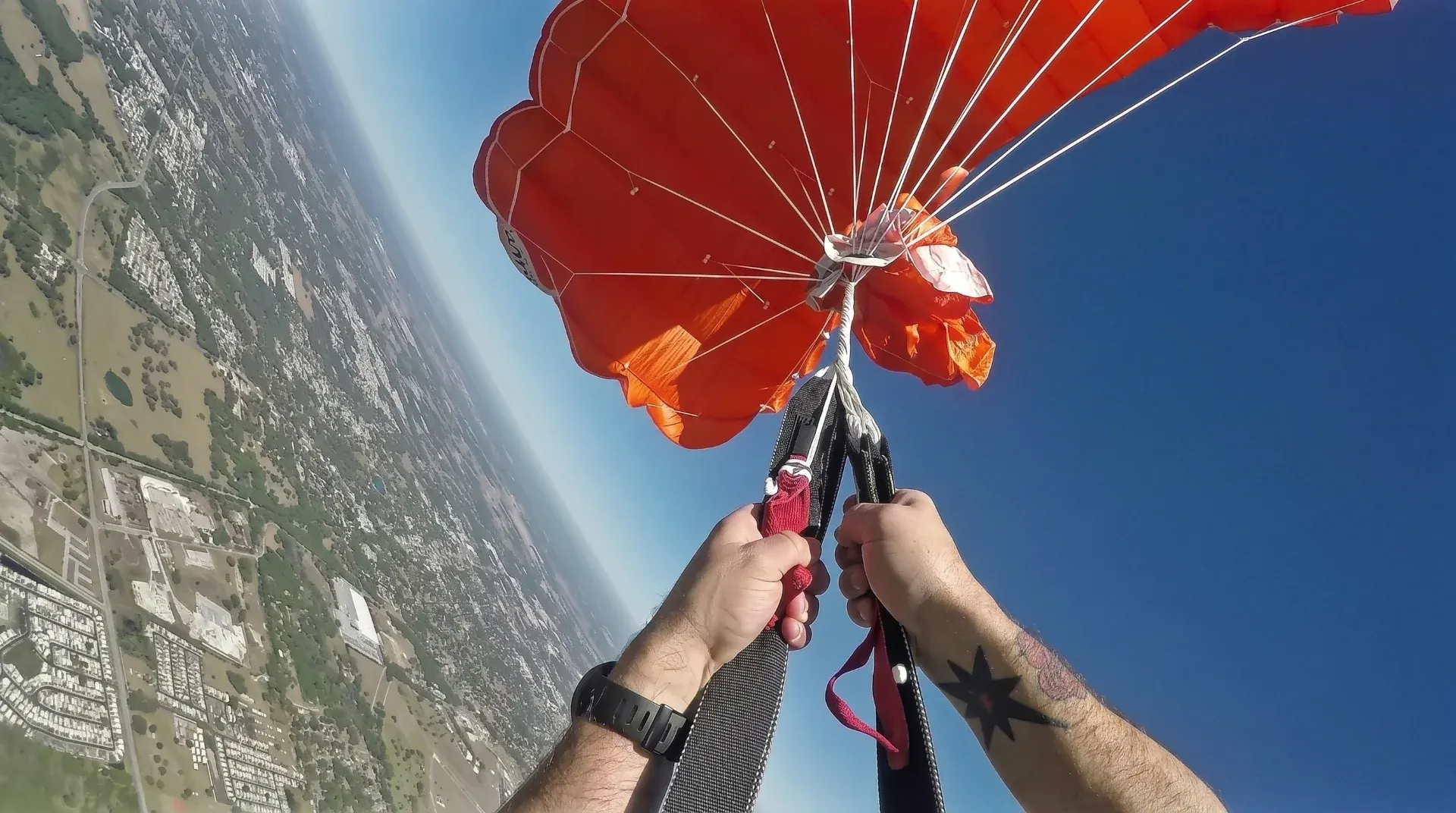
To an experienced eye, this was already a warning sign. A properly functioning parachute does not spin — it descends slowly and maintains its canopy shape. Rotation is an indicator that the lines have become tangled, or that the parachute did not deploy fully.
Two Hypotheses — Technical Failure or Human Error
The duty officer at Fyns Politi, Peter Vestergaard, told Ritzau that two main hypotheses are being examined at this stage of the investigation.
"The leading hypothesis is that there was either a fault with the equipment or that human error was involved. We don't know for certain," he said.
These two versions are standard in the analysis of skydiving incidents. A technical failure means that the equipment — the parachute, the lines, the container, the harness, or one of the mechanisms — malfunctioned independently. Human error implies that the jumper, or someone who prepared the equipment, made an incorrect step.
In either case, the investigation requires microscopic precision.
Who Is Working on the Case
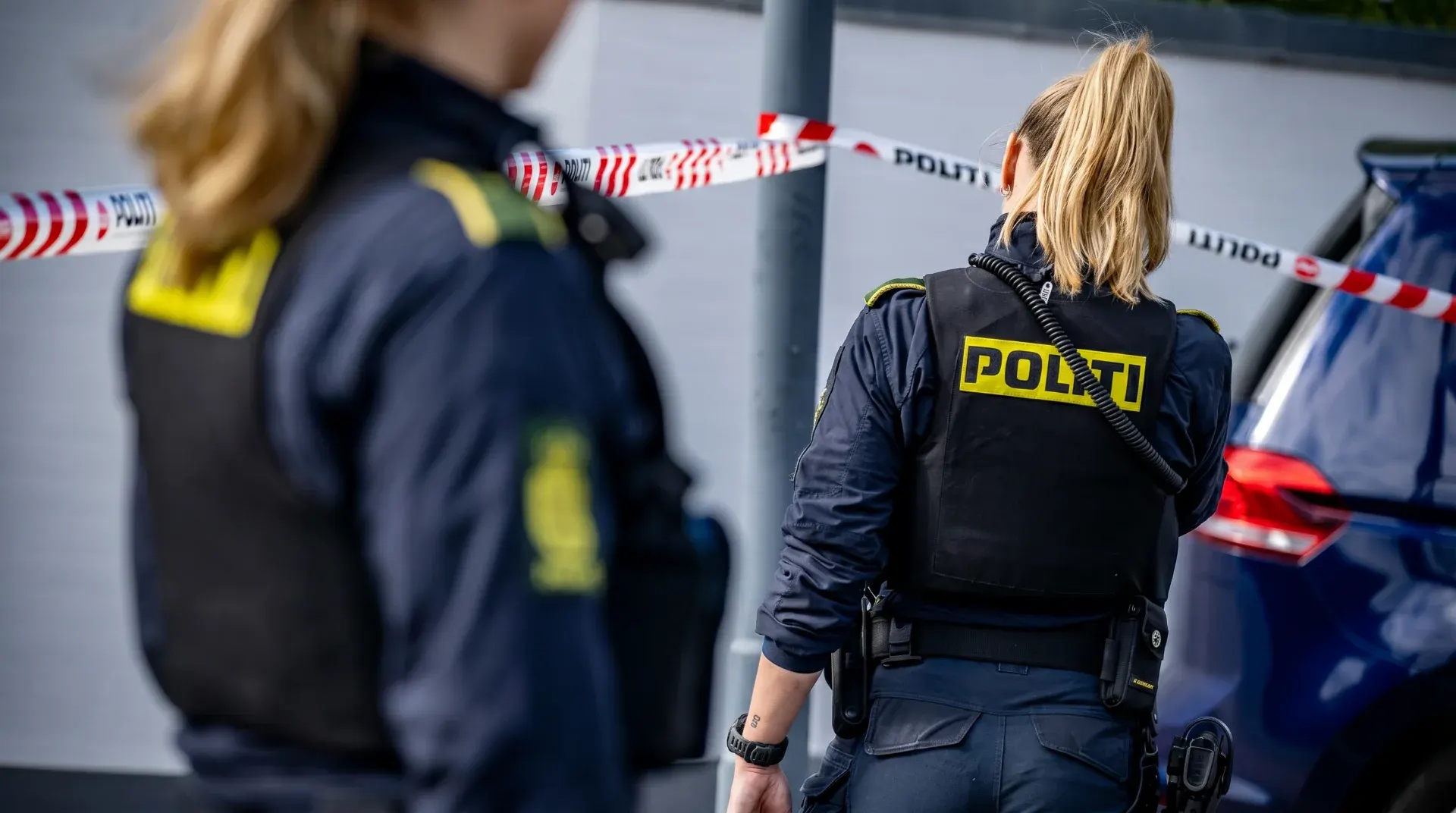
Fyns Politi is being assisted by two additional bodies.
The first is the Nationalt Kriminalteknisk Center (the National Forensic Centre). This is Denmark's specialised authority that takes part in complex technical investigations. Their experts will examine every component of the equipment in detail — the parachute, its lines, the central carabiner, the reserve parachute and the emergency release system.
The second is Dansk Faldskærms Union. This is the organisation that regulates the sport in Denmark, and the Odense Faldskærmscenter operates as one of its authorised centres. The union's experts contribute the kind of knowledge that forensic specialists do not have — skydiving technical standards, jump procedures, and what may yet have been missed.
Mads Boel, communications adviser to Fyns Politi, confirmed that cooperation with both bodies is active.
Skydiving Safety
Fatal incidents in skydiving — especially at centres authorised by the national union — are rare. Statistically, modern skydiving equipment is built with multiple layers of safety: a main parachute, a reserve parachute, and an automatic activation device (AAD), which deploys the reserve parachute on its own at a critical altitude if it has not already been opened.
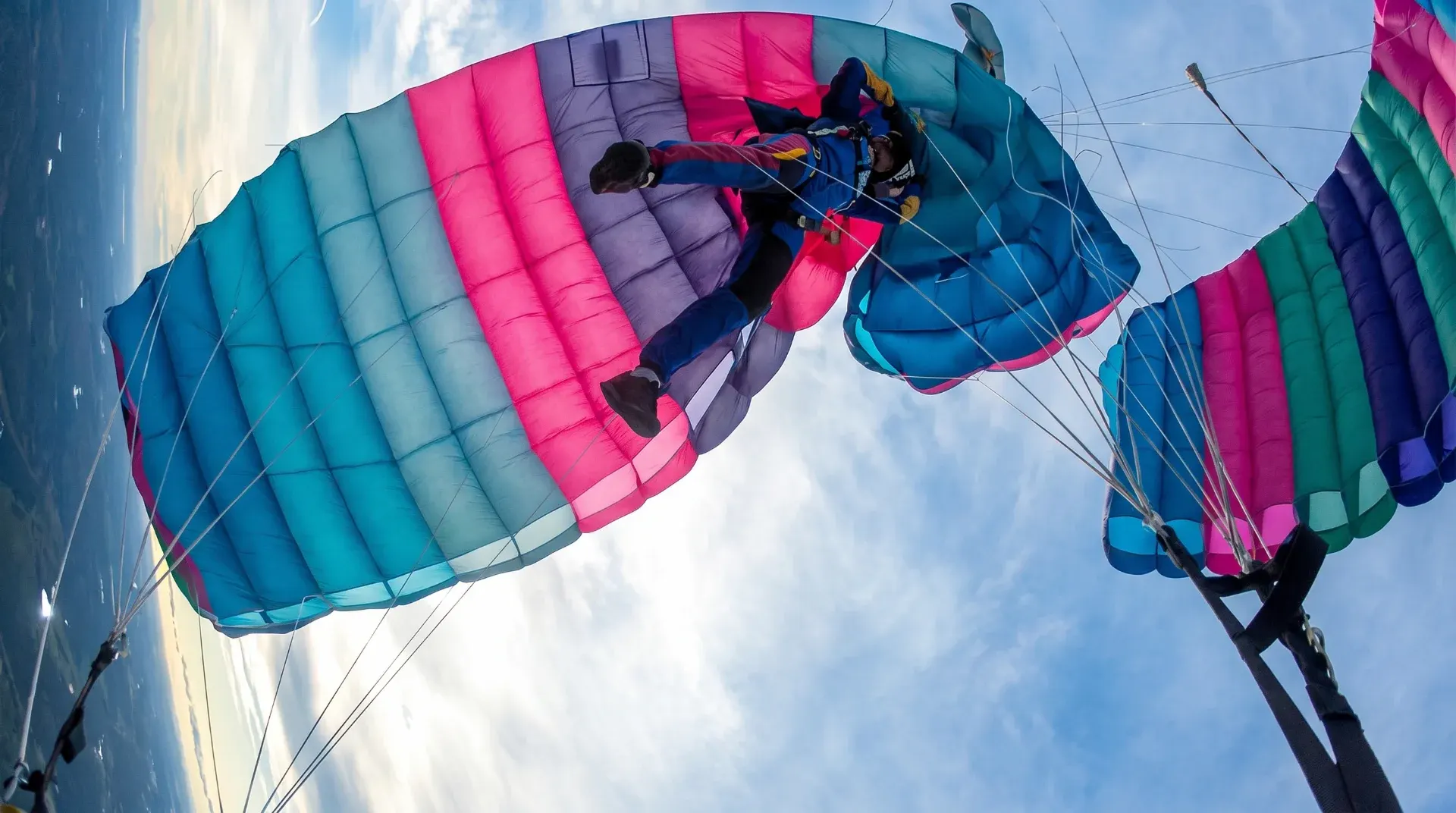
Beginner skydivers are also frequently entrusted with static-line jumps — a method in which the parachute opens automatically as the jumper exits the aircraft, via a line attached inside the plane. This reduces the risk of human error in the first seconds of the jump. However, if the parachute does not deploy fully, there is still a decision-making phase for the jumper — releasing the tangled main canopy (cut-away) and deploying the reserve.
That decision is one made in seconds. And it is in such seconds that experience and composure often determine the outcome.
One of the central questions of the investigation is whether the jumper had time to carry out this procedure, and if not, why.
The Tragedy at Nordfyns Højskole
The final detail that adds emotional depth to this story — the young man was not alone in Denmark.
The 24-year-old Icelander was a student at Nordfyns Højskole. A Højskole is a uniquely Danish form of education — known as a "folk school" — where young people live together for several months and explore a range of subjects, from the arts to sports. These schools are widely open to international students, particularly from across the Nordic countries.
For the past six months, Nordfyns Højskole had been running a partnership with Odense Faldskærmscenter, allowing its students to take part in skydiving theory lessons and gain the experience of jumping themselves.
The school's headmaster, Babak Fadavi Kornerup, told TV 2 Fyn that both staff and students are deeply affected:
"We are in the middle of a grieving process, and both students and staff are deeply affected."
The school later issued a written statement:
"It is with great sadness that we share the news that one of the students at Nordfyns Højskole has passed away as a result of a tragic incident during a skydiving jump — yesterday, Sunday, April 26. The incident occurred at Odense Faldskærmscenter, an authorised skydiving centre under Dansk Faldskærms Union, with which the school has had an ongoing partnership. This partnership has given our students the opportunity to receive theoretical instruction and to experience skydiving outside of the school's regular curriculum."
The Icelandic man's family has already been informed. The investigation continues.