

From Sponsorship To Total Branding
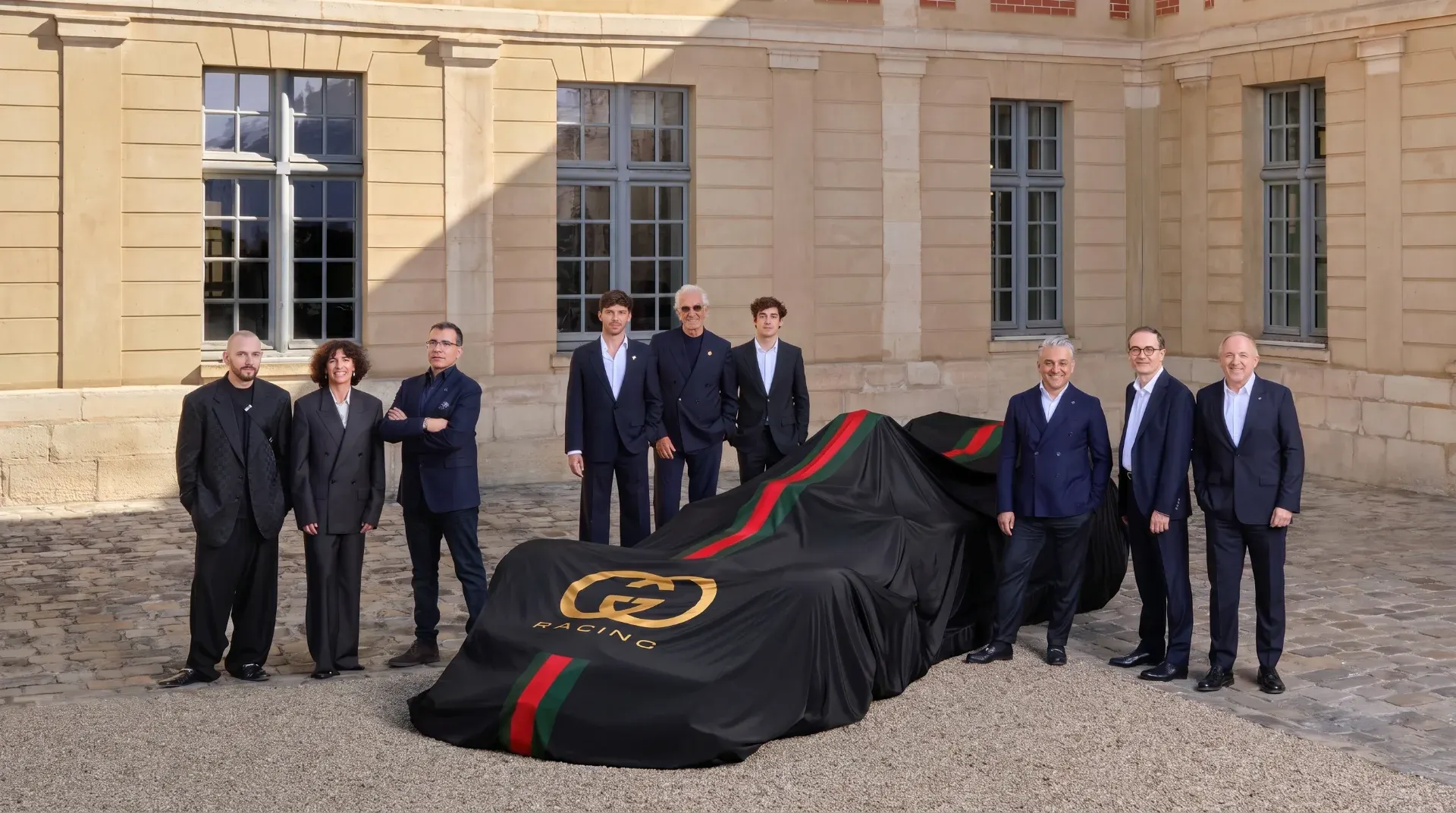
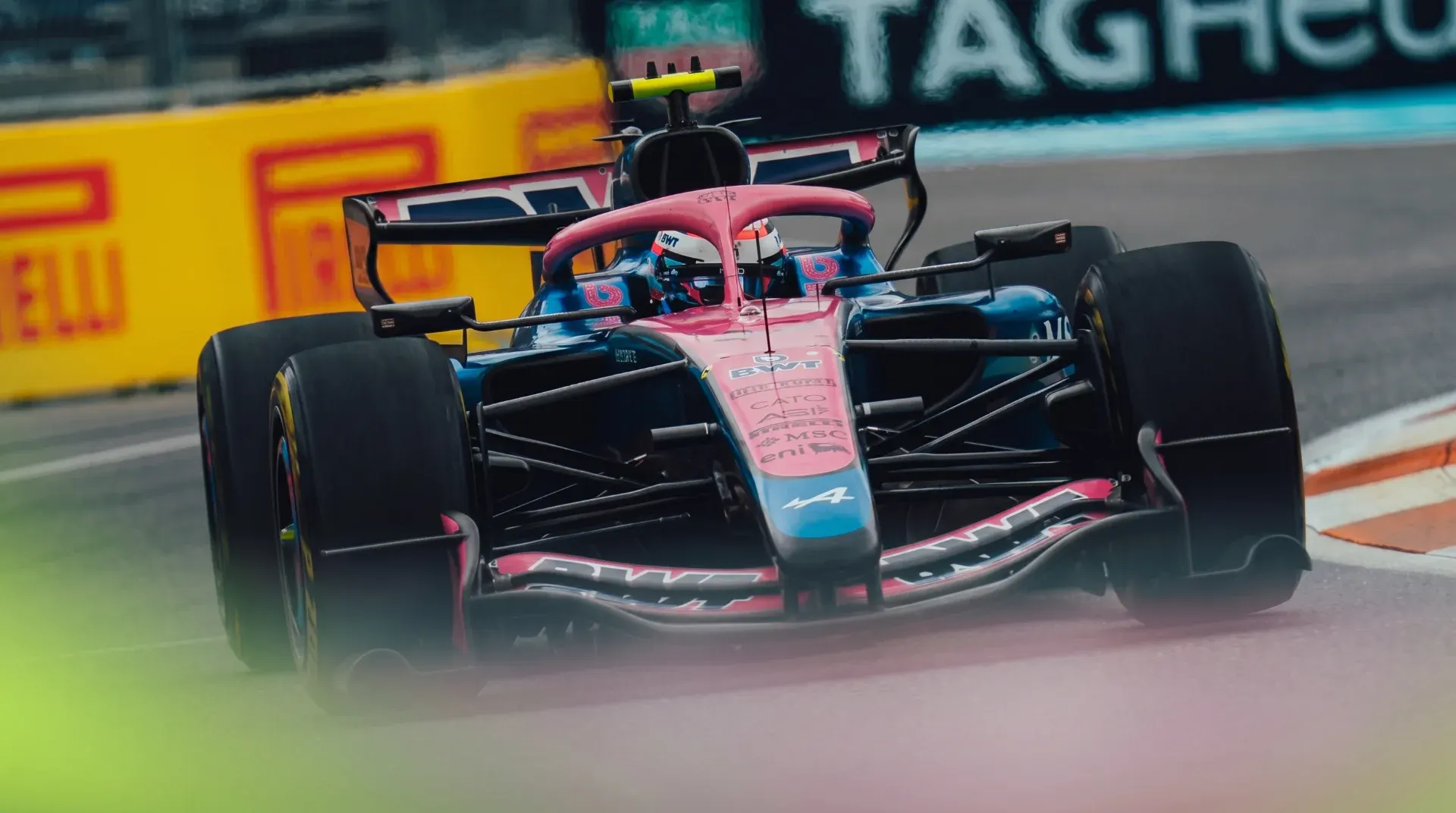
Formula 1 thrives on change. New engine regulations, aerodynamic overhauls, new champions. Yet what unfolded in the paddock today reaches beyond the sport's traditional boundaries. From 2027, the Enstone-based outfit known as Alpine will permanently shed its current pink-and-blue livery. In its place arrives the "Gucci Racing Alpine Formula One Team."
The Italian fashion house is not merely placing a logo on a sidepod. Francesca Bellettini, Gucci's president and chief executive, stated the terms of the deal plainly: "We are becoming the first luxury fashion house to take on a title partnership role in Formula 1."
First. In the language of sports marketing, that word carries enormous weight.
The car's visual direction is already taking shape: a black base, the house's iconic red-and-green stripe, and gold initials. Bellettini confirmed that the creative process will be led by Gucci's artistic director, Demna. The signal is clear — rather than a simple logo on a racing livery, audiences can expect a fully realised design concept on track.
Beyond The Logo: The $150 Million Deal
The classic sponsorship model is straightforward: money, logo, visibility. Gucci Racing breaks those rules.
The joint press release describes the project as a new business platform where luxury intersects with sporting precision and discipline. Official contract figures remain undisclosed, though industry insiders value the arrangement at between $50 million and $60 million per season. Accounting for performance bonuses, the multi-year agreement is expected to exceed $150 million in total. The BWT era, five seasons in the making, is over.
"Gucci Racing is not simply about being present on the grid. This is a statement of our brand's ambition and our vision for the future," Bellettini said. The Italian house's ties to the automotive world stretch back to the 1970s, yet Formula 1 represents an altogether different scale and pressure.
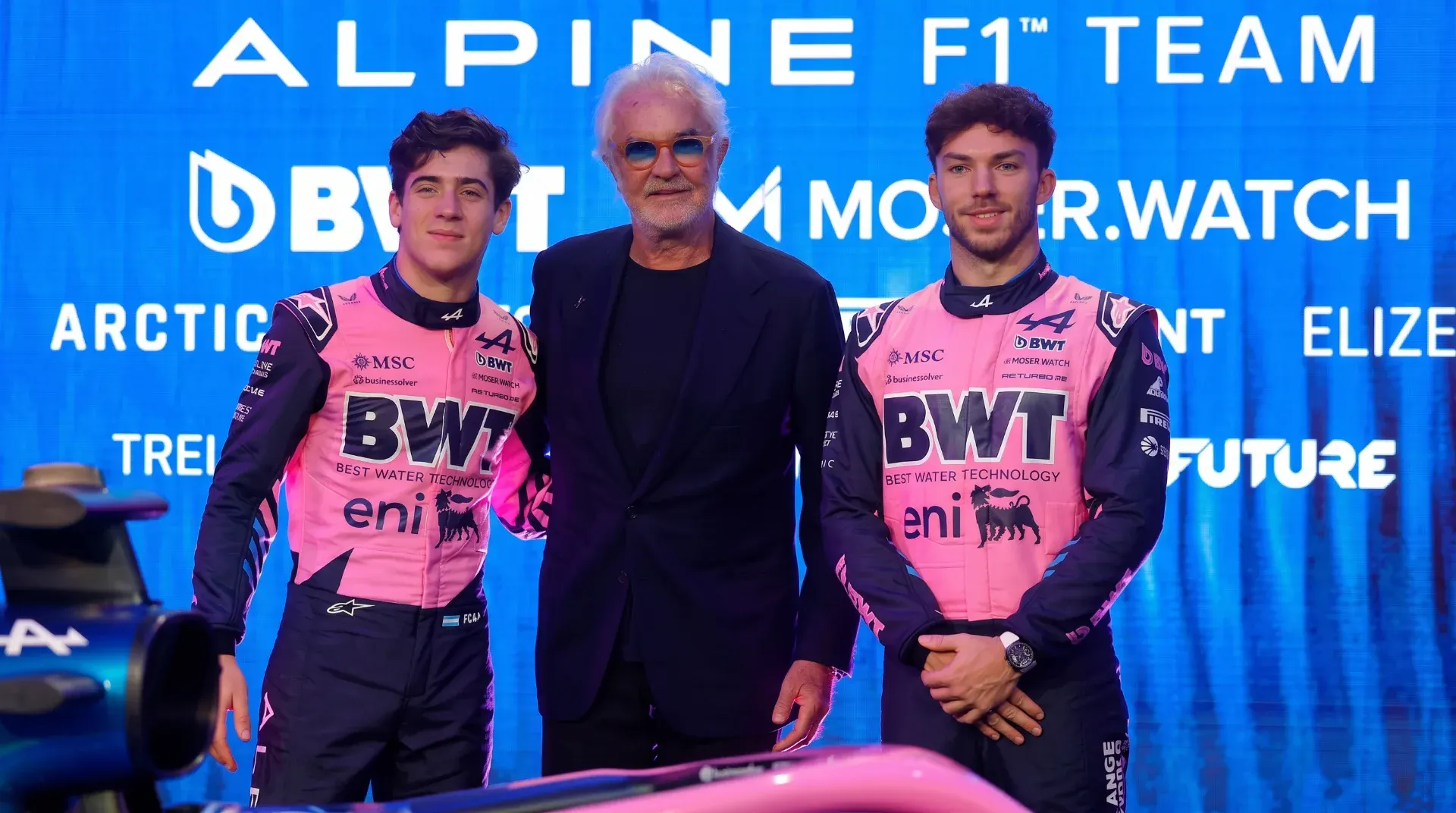
From The Bottom To Fifth: The Sporting Context Behind The Deal
Gucci does not take on risk lightly. The depth of this partnership cannot be understood without accounting for Alpine's recent sporting resurgence.
After the misery of 2025 — last place in the constructors' championship with just 22 points, and the structural turbulence that surrounded it — Alpine began 2026 with purpose. Four races in, the team sits fifth in the constructors' standings. Pierre Gasly's sixth-place finish in China confirmed that this is not a false dawn: it is the strongest start to a season in the team's history.
"Against the backdrop of improved results on track and our best-ever start to a season, the collaboration with Gucci reflects the team's growing momentum," said Flavio Briatore. A competitive team, as ever, opens the most prestigious of doors.
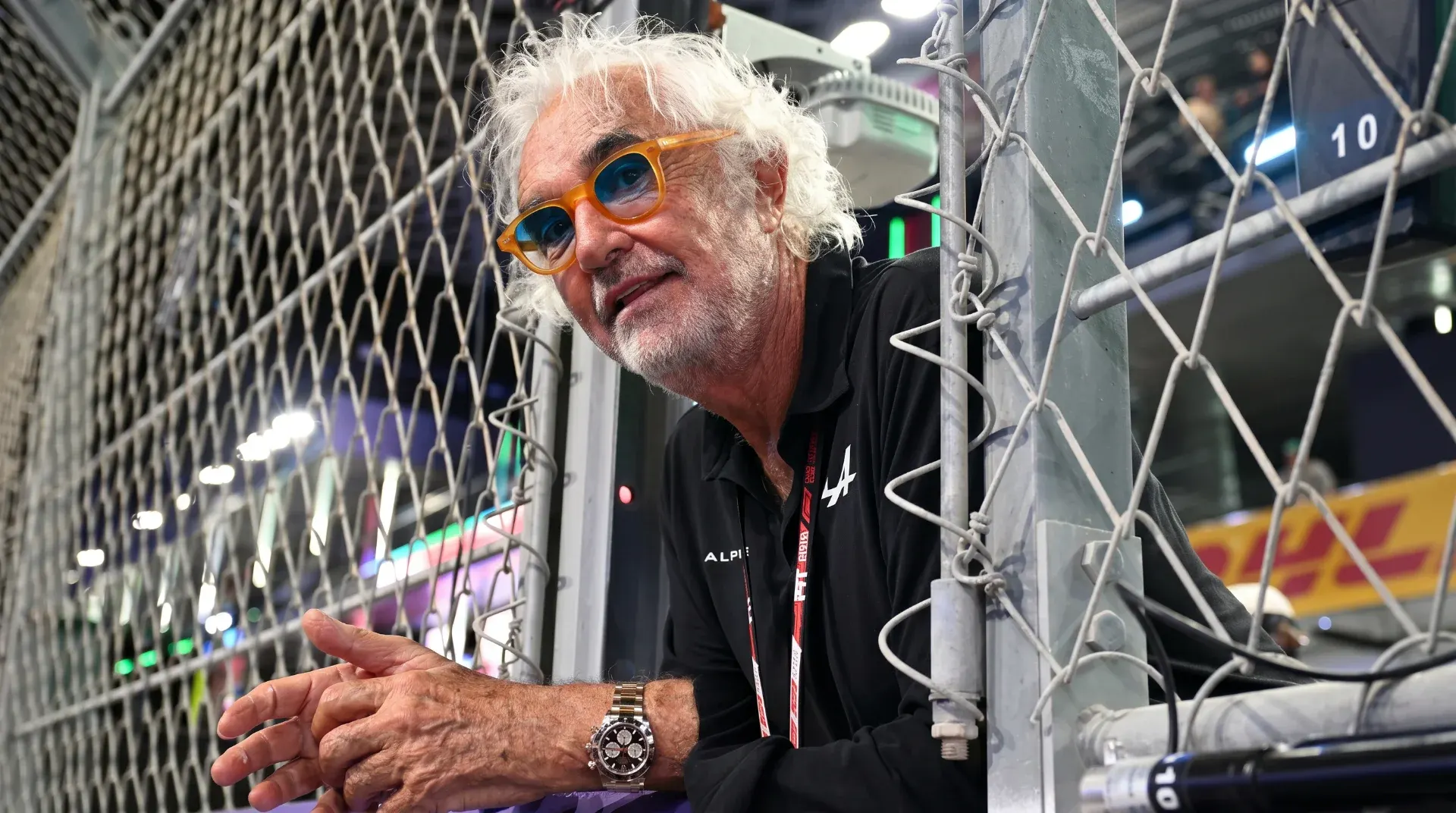
Briatore's Signature: From Benetton To Gucci
One figure sits at the centre of this story.
Alpine's executive adviser, Flavio Briatore, first made his mark in Formula 1 as the man who ran Benetton. That team represented the original fusion of fashion and motorsport on the grid — and it was in those colours that Michael Schumacher claimed back-to-back world championships in 1994 and 1995.
Three decades on, Briatore is returning to the same playbook, this time with Gucci's scale and reach behind him.
"The Enstone team has a history of breaking with convention. We proved before that fashion could cross the finish line first in Formula 1," the Italian reflected.
In 2027, a new car will roll onto the grid — black, gold-initialled, and striped in red and green. For those who know Briatore's career, the strategy feels familiar. Only the era and the brand have changed.