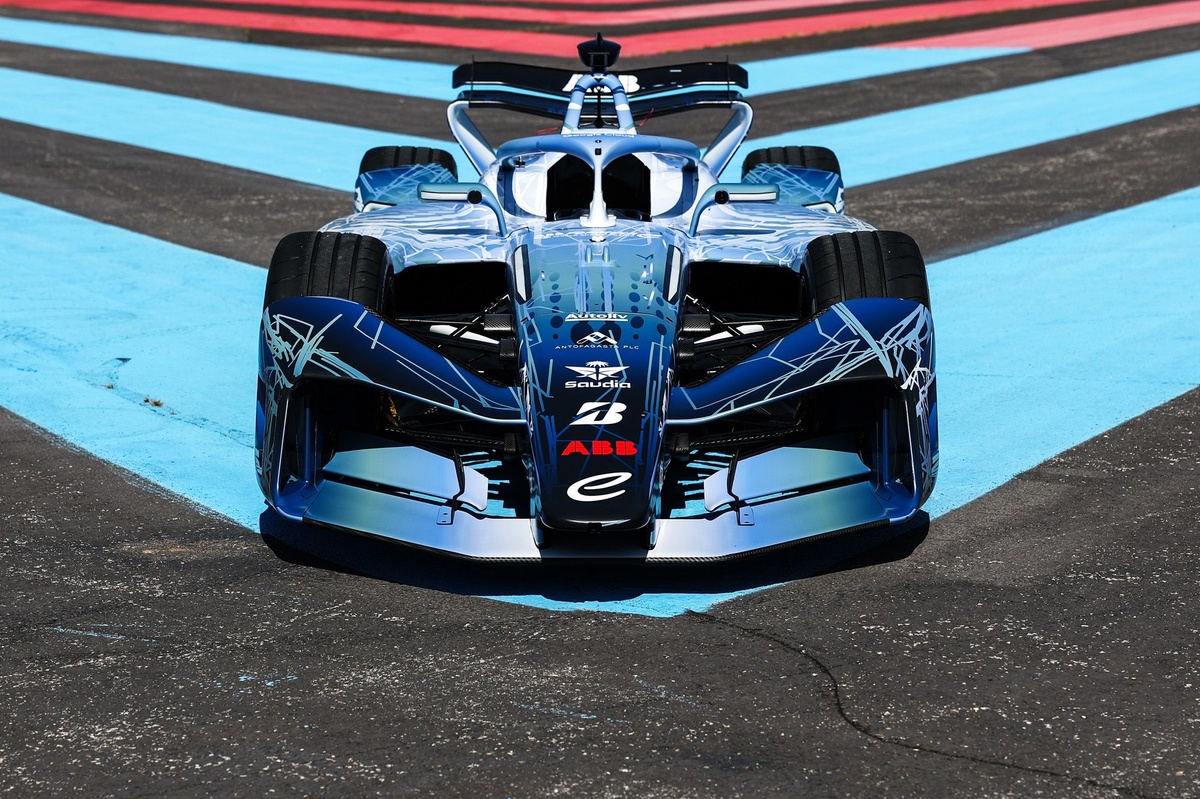
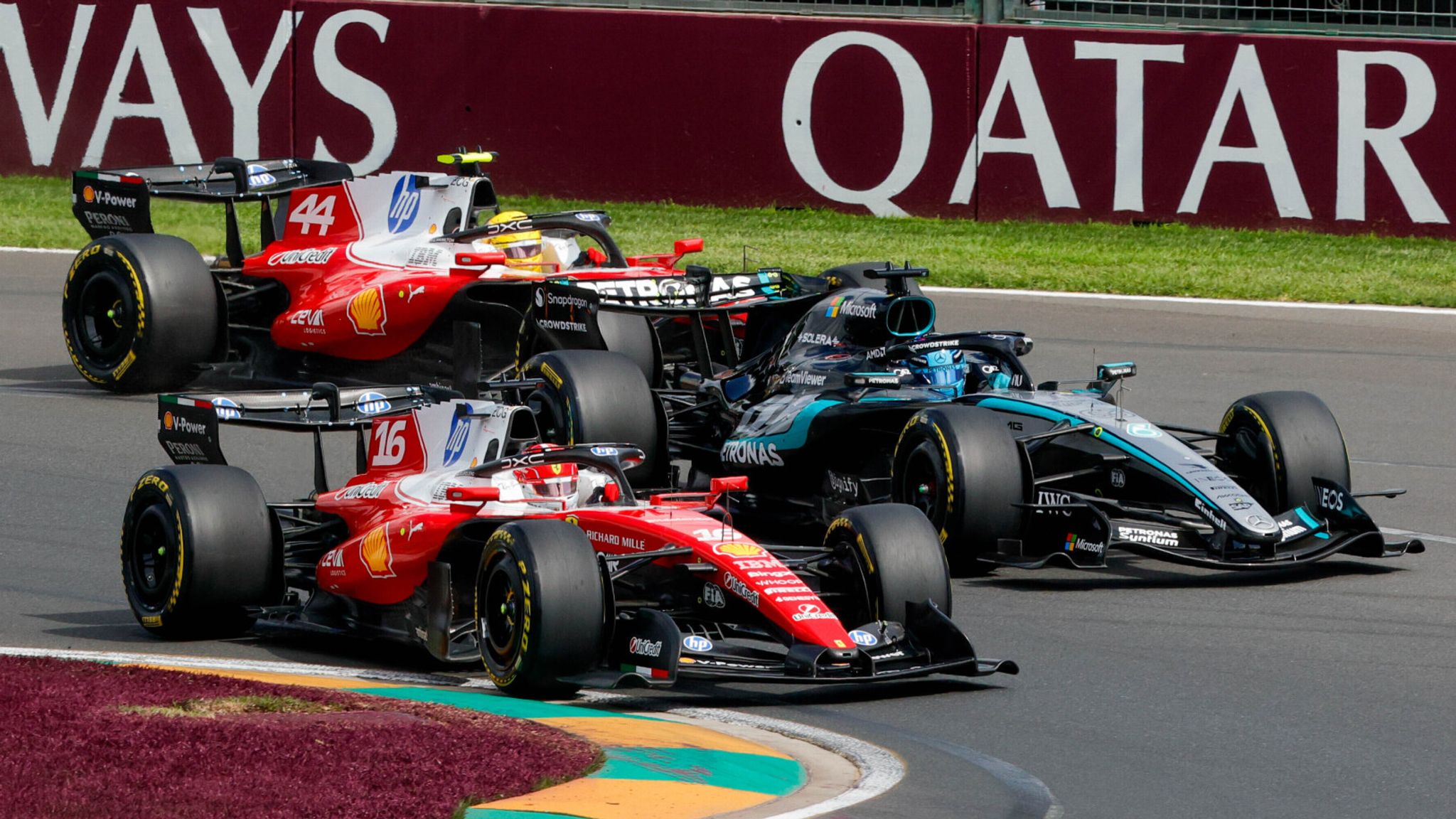

The FIA has confirmed changes to Formula 1's 2026 regulations starting from the Miami Grand Prix. Improving driver safety and increasing "flat-out driving" are the two main objectives.
A meeting on Monday — attended by F1, the FIA, team bosses and engine manufacturer chiefs — agreed on several tweaks that will come into effect at the May 1-3 Miami Sprint weekend.
Why the Rules Are Changing
The 2026 regulations are considered one of the most radical changes in F1 history. New power units split electrical and combustion power 50/50. But after the first three races, problems became evident.
Drivers were forced to lift off the throttle and coast to save energy — instead of driving flat out. This was especially noticeable in qualifying.
Safety concerns also emerged. Haas driver Oliver Bearman suffered a serious crash at the Japanese Grand Prix, linked to significant speed differentials caused by the energy management system.
Four-time champion Max Verstappen was particularly vocal — saying the new regulations produce racing he dislikes so much that he is considering leaving the sport. Lewis Hamilton, on the other hand, said he has never had more fun racing in F1.
What Changes in Qualifying
Maximum permitted recharge has been reduced from 8MJ to 7MJ — meaning drivers will spend less time harvesting energy and more time at full throttle. Peak superclip power has been increased from 250kW to 350kW.
What Changes in Racing
Maximum boost power in race conditions is now capped at +150kW, limiting sudden performance differentials between cars. The goal is to preserve overtaking opportunities while reducing dangerous closing speeds.
New Start System
A new "low power start detection" system will be trialled in Miami. If a car shows abnormally low acceleration after clutch release, automatic MGU-K deployment will be triggered.
Formula 1 returns on May 1-3 with the Miami Grand Prix — the season's second Sprint weekend. This is where the changes will be put to the test.