


What is happening in world football?
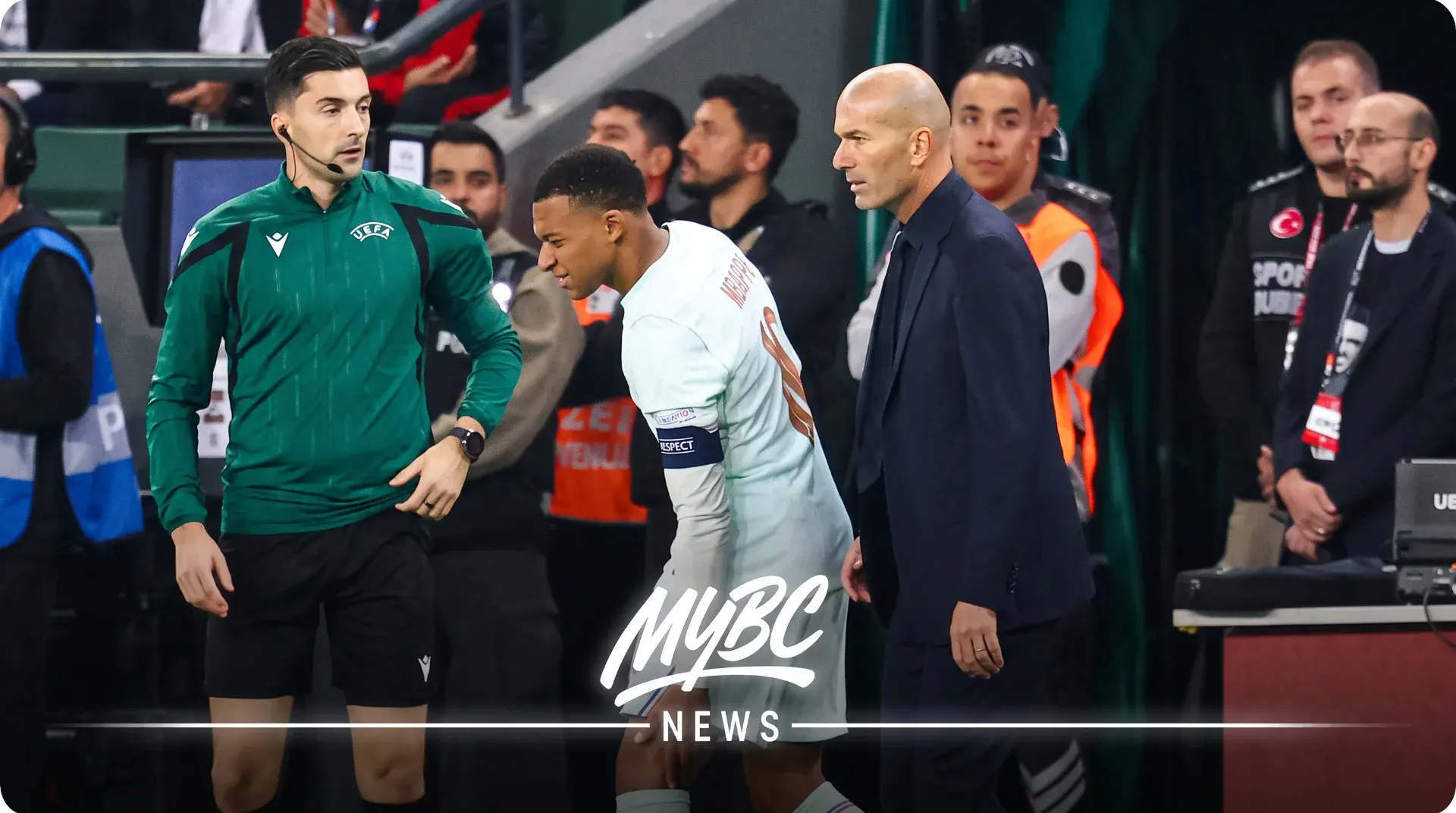
On one side, the picture is alarming. Rodri — one of Manchester City's central players — speaks openly about a strike. FIFPRO — the players' main union — has filed a complaint against FIFA at the European Commission. Heung-Min Son says clearly — "We are not robots." Raphaël Varane — one of football's most decorated defenders — has retired at 31, after a knee injury that came on the back of years of accumulating physical damage.
On the other side — FIFA continues. The Champions League has been expanded. The Club World Cup has grown to 32 teams. The 2026 World Cup will feature 104 matches instead of 64. The schedule is on fire.
What is really going on? Who is up against whom? What is at stake? And why do the most prominent stars in world football believe that they have "no other choice but to strike"?
This is a piece that tries to bring the full picture into one frame.
"WE ARE CLOSE TO A STRIKE" — RODRI'S WORDS THAT TURNED OUT TO BE PROPHETIC
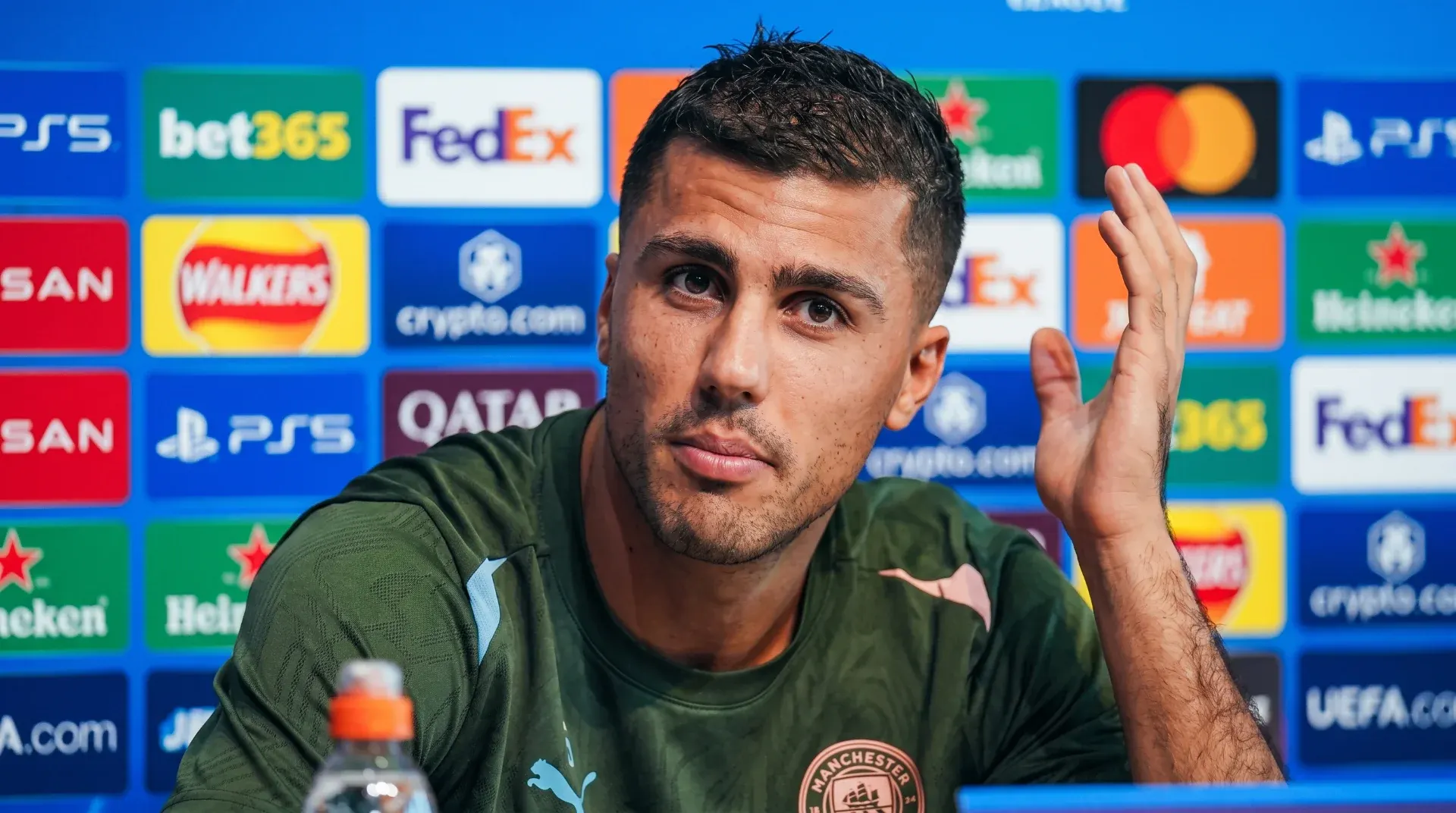
In September 2024, Manchester City's central midfielder Rodri spoke at a pre-match press conference ahead of the Champions League opener against Inter Milan. The quote that emerged was discussed across the entire football world.
"I think we are close to that," the Spaniard said. "If you ask any player, he will say the same. It is not the opinion of Rodri or whatever — it's the general opinion of the players. And if it keeps this way, there will be a moment where we have no other option."
He added the line that became central to the debate: "From my experience, between 40 and 50 is the amount of games in which a player can perform at the highest level. After that, you drop because it is impossible to sustain the physical level. This year we can go to 70, maybe 80."
How long did it take for the warning to come true? Five days.
On 22 September 2024, Rodri tore his ACL in a Premier League match against Arsenal at the Etihad. His season was over. The season of one of the most important footballers in the world, who only weeks earlier had been a Ballon d'Or favourite — ended on a stretcher, the price of an overloaded body.
The thing Rodri had been talking about — was not theoretical. It was real. And at the centre of the conversation, his own body became one of his strongest pieces of evidence.
FIFPRO'S LEGAL CASE — THE FRONT IS OPENED
And the moment came when words turned into action.
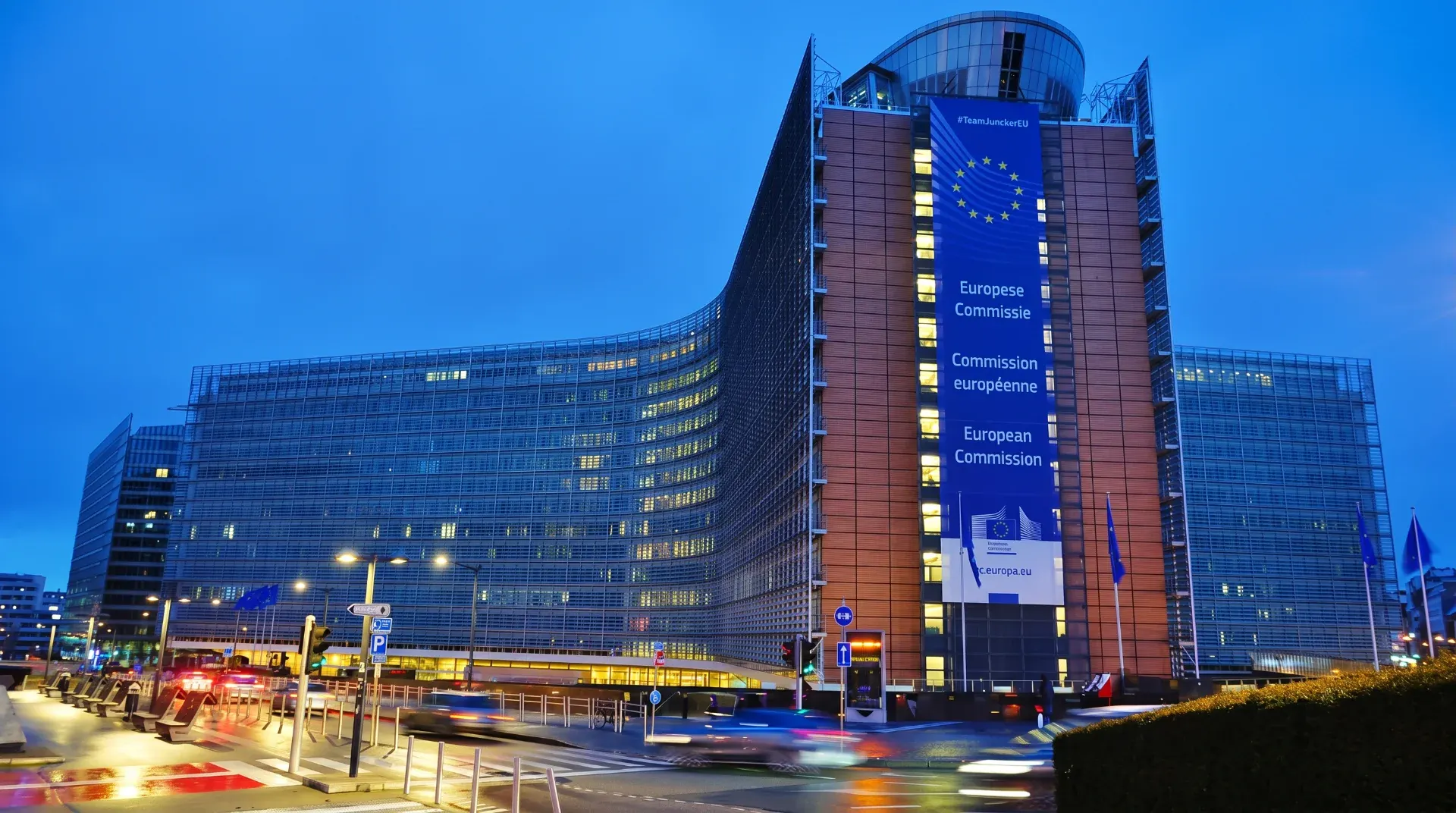
The European Leagues and FIFPRO Europe had already announced their intention to file in July 2024 — before Rodri's quote. The formal complaint to the European Commission, joined by LaLiga, was lodged on 14 October 2024 — a month after Rodri's warning.
The accusation — that FIFA had violated EU competition law. Specifically:
— the expansion of the Club World Cup to 32 teams (June-July 2025, in the United States)
— the expansion of the World Cup to 48 teams (2026, in the United States, Canada and Mexico)
— the unilateral imposition of the international match calendar by FIFA
FIFPRO's joint statement called FIFA's actions "abusive" and "unjustified", and described the federation's dominant position as "indisputable."
FIFA fired back almost immediately on X: "The current calendar was unanimously approved... following a comprehensive and inclusive consultation, which included FIFPRO and league bodies. Some leagues in Europe — themselves competition organisers and regulators — are acting with commercial self-interest, hypocrisy, and without consideration for the global picture."
UEFA president Aleksander Čeferin took the same line, but with sharper edges: "In fairness to those who are stretched, I stand by what I said two months ago — there is no room for additional matches. But I have to add this: who is complaining? The ones who have the highest salaries and the ones [clubs] with 25 top players."
PFA chief executive Maheta Molango pushed back: "The impact of fixture congestion and increasing player workload is no longer a problem that's coming down the line. It's already here. This is the year when we can look at the calendar and say clearly 'this doesn't work.'"
In addition — the Premier League and the PFA filed an independent legal claim against FIFA. There is no single front. There are several. And the European Commission is expected to take up to 12 months to decide whether to open a formal investigation.
What do you make of it — when a coordinated legal complaint comes from the players' union, the leagues, and ends up before the EU's regulators, is this still just "noise"?
THE VOICES OF THE STARS
And while Rodri delivered the loudest quote, other stars were already part of the conversation.
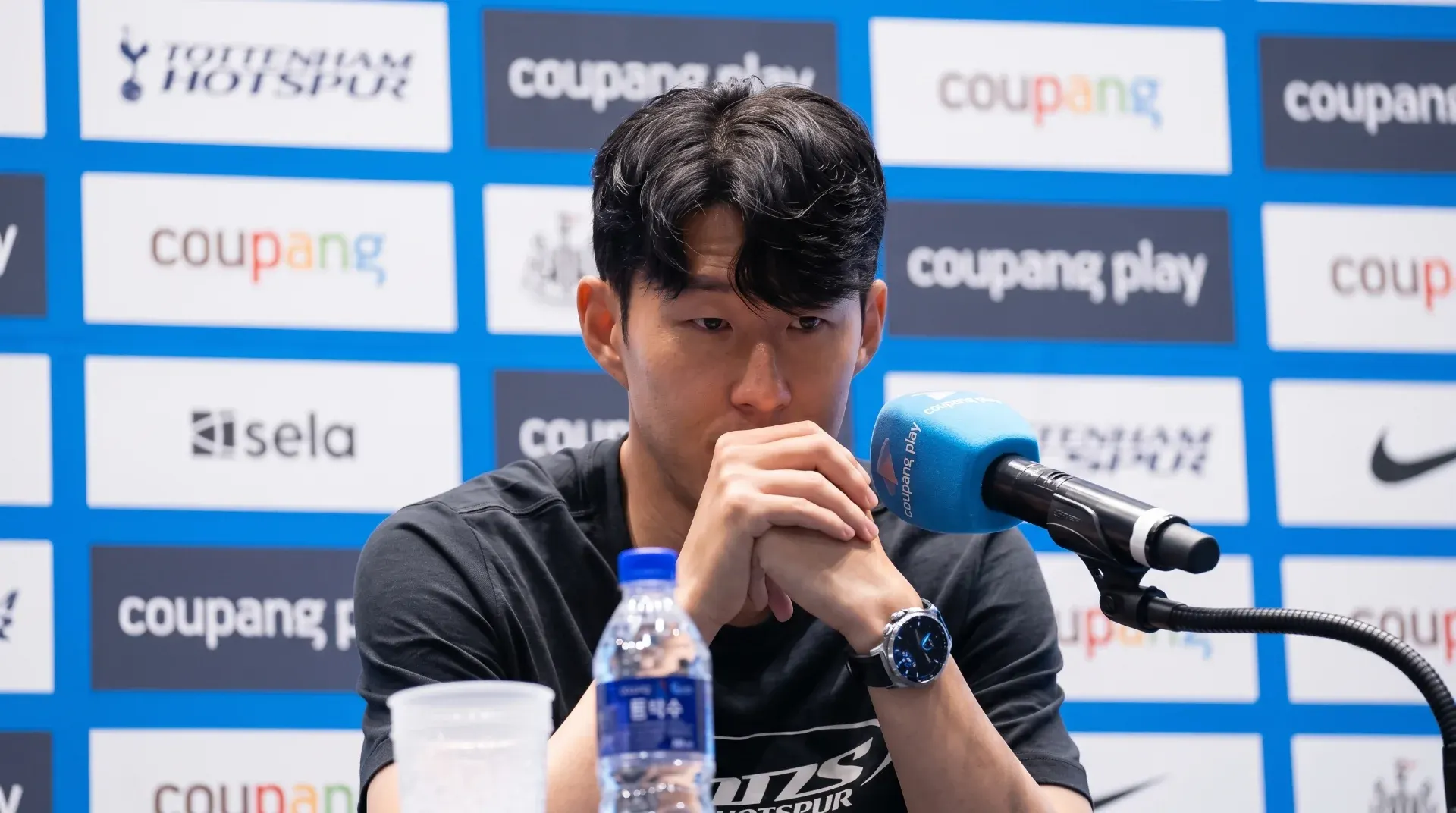
Heung-Min Son — Tottenham and South Korea captain — told Sky Sports plainly: "We are not robots. I want to reduce the number of matches."
Manuel Akanji — Manchester City's central defender — backed Rodri's comments almost immediately, joking he might have to retire at 30: "It's so tough. You don't just think about this season, but also next season. When do we have holidays?"
Alisson Becker — Liverpool's goalkeeper — has suffered prolonged injury issues that have been openly tied to workload. Like Akanji, he publicly called for the football authorities to consult players more thoroughly when making decisions that affect their workload.
Harry Kane — Bayern Munich and England striker — was direct in 2025: players' concerns about the congested international match calendar simply "aren't being listened to."
Carlo Ancelotti — formerly the manager of Real Madrid, now in charge of the Brazilian national team — described the situation in even sharper terms: "Players would even consider a wage cut if that meant they would play fewer games. The schedule is not physically sustainable."
Lionel Scaloni — Argentina's manager — speaking specifically about South American players, said: "The reality is that for South American players the workload is unbearable, on top of constant cross-continental travel. It will not improve, because the players play in Europe and the number of matches is not going to change."
Winning managers, national-team captains, central club figures — all speaking with one voice, on one issue. The pattern is no longer a few isolated complaints. It is a coordinated message from across the very top of the sport.
THE NUMBERS — 70 TO 80 MATCHES VS 50
And while the quotes keep coming, the data is just as clear.
According to FIFPRO, elite footballers are now averaging 70 to 80 matches per season. Ten years ago — fewer than 50. The trend of more games is not slowing down.
Manchester City and Chelsea — two of the clubs most affected this season — could see one of their players play around 75 to 90 matches for club and country combined. The competitive calendar essentially fills the 365-day year, leaving almost no recovery period at all. This is not a "season with a small break afterwards" — it is a full year, in which any meaningful recovery period has effectively disappeared.
Real Madrid — last season's Champions League winners — will play around 70 matches this campaign, an increase of around 10 on the previous standard. Bayern Munich — also +10. The expansion of the calendar is being measured directly against the physical wear of the players.
A FIFPRO-commissioned report published in November 2024 by Belgian University KU Leuven concluded that the professional football sector is "failing in its duty to apply required safety standards for players" — a direct accusation that the system itself is non-compliant with European safety frameworks.
And the final blow — the 2025-26 season. It ends with the 2026 World Cup. 104 matches instead of 64 — 40 additional matches added to the global calendar. Likely the most overloaded season in the history of football.
The schedule is not "a bit packed." The schedule is physically impossible.
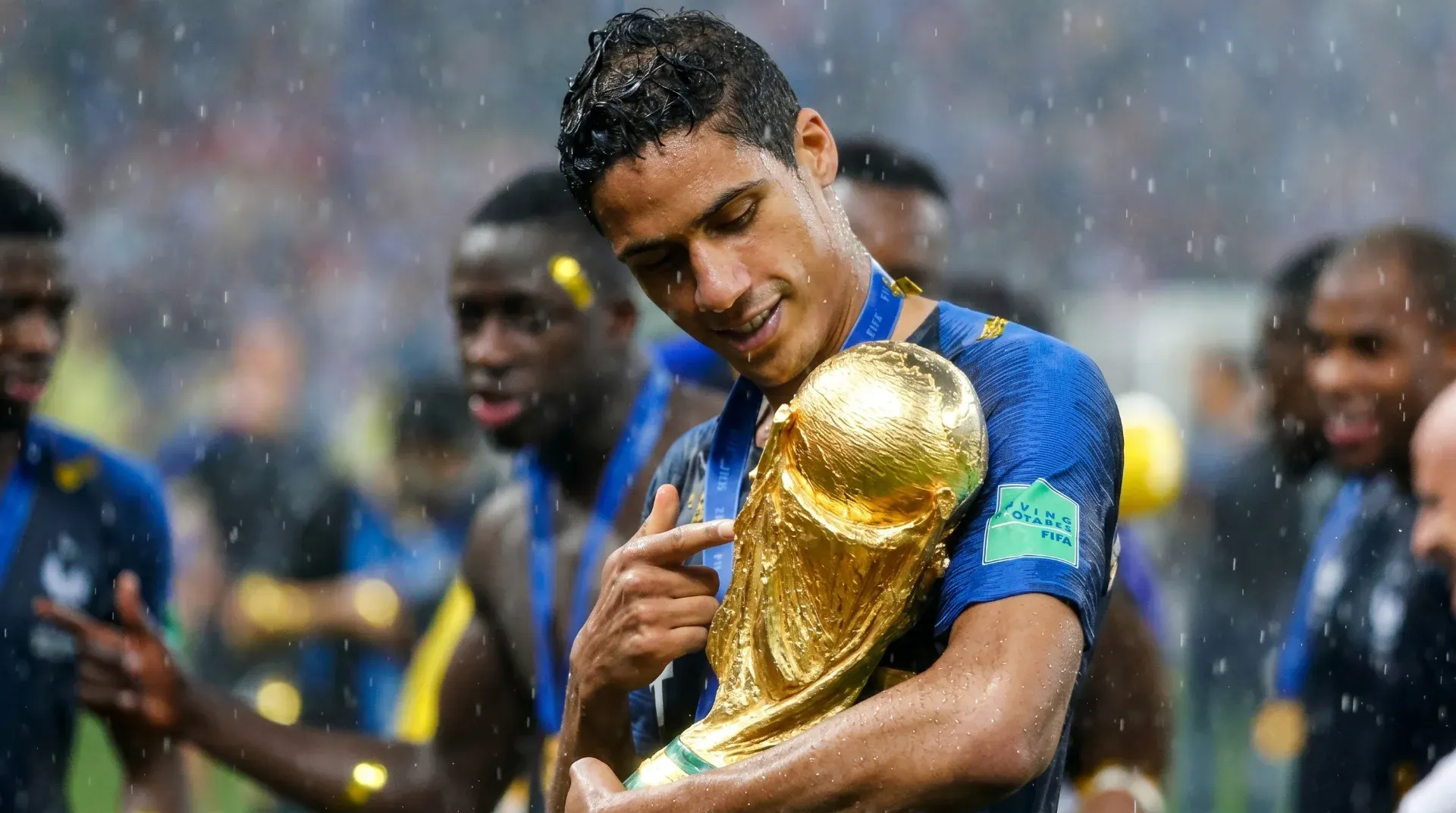
And it is against this exact backdrop that Raphaël Varane — France defender, 2018 World Cup winner, four-time Champions League winner with Real Madrid — retired from football at the age of 31.
Varane had left Manchester United at the end of his contract in 2024 and signed for Serie A side Como that summer. On 11 August 2024, just 23 minutes into his Como debut against Sampdoria in the Coppa Italia, he sustained a serious knee injury. On 25 September 2024 — the same week as Rodri's strike warning — Varane announced his retirement.
In an earlier interview with L'Équipe in April 2024, Varane had spoken openly about the cumulative damage to his body — though his focus was specifically on concussions, not just match volume: "From the managers to the players, we have shared our concerns for many years now that there are too many games, the schedule is too overcrowded, and it's at a dangerous level for players' physical and mental well-being."
He went further: "I won't live until 100. I know that I have damaged my body. I have put myself in danger. By speaking about it, situations can perhaps be better analysed and decisions made based on the risks."
A 31-year-old World Cup winner walks away from the game. The financial model that produced his career, in the end, also broke his body.
AND FINALLY — MONEY. WHY?
Behind every part of this crisis sits one clear fact — money.
Why was the Club World Cup expanded to 32 teams? Why was the World Cup expanded to 48 teams? Why has the Champions League grown into a 36-club league phase? Why does the calendar gain extra matches almost every year?
The answer — broadcast rights, sponsors, ticket sales, brand value, revenue.
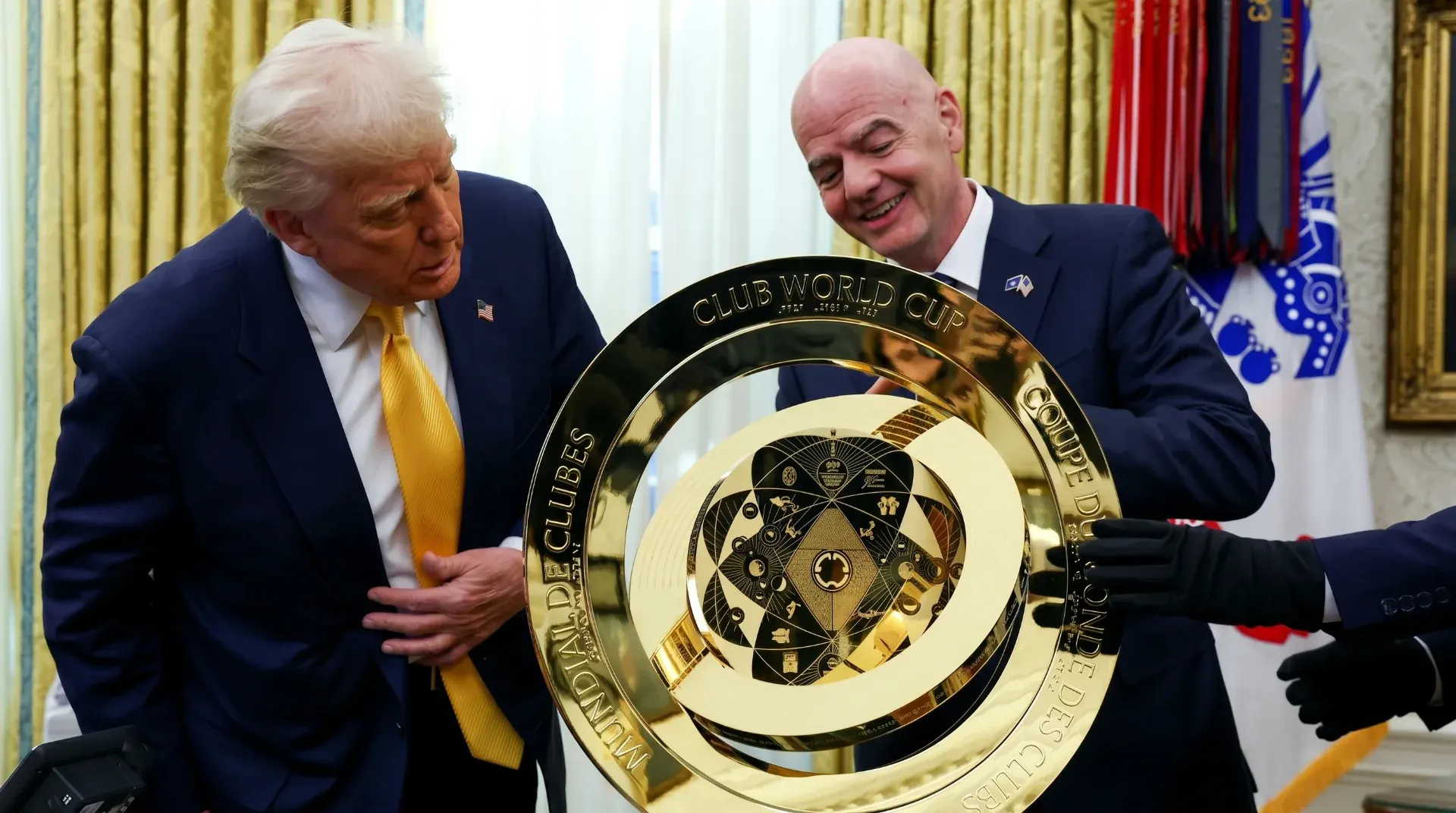
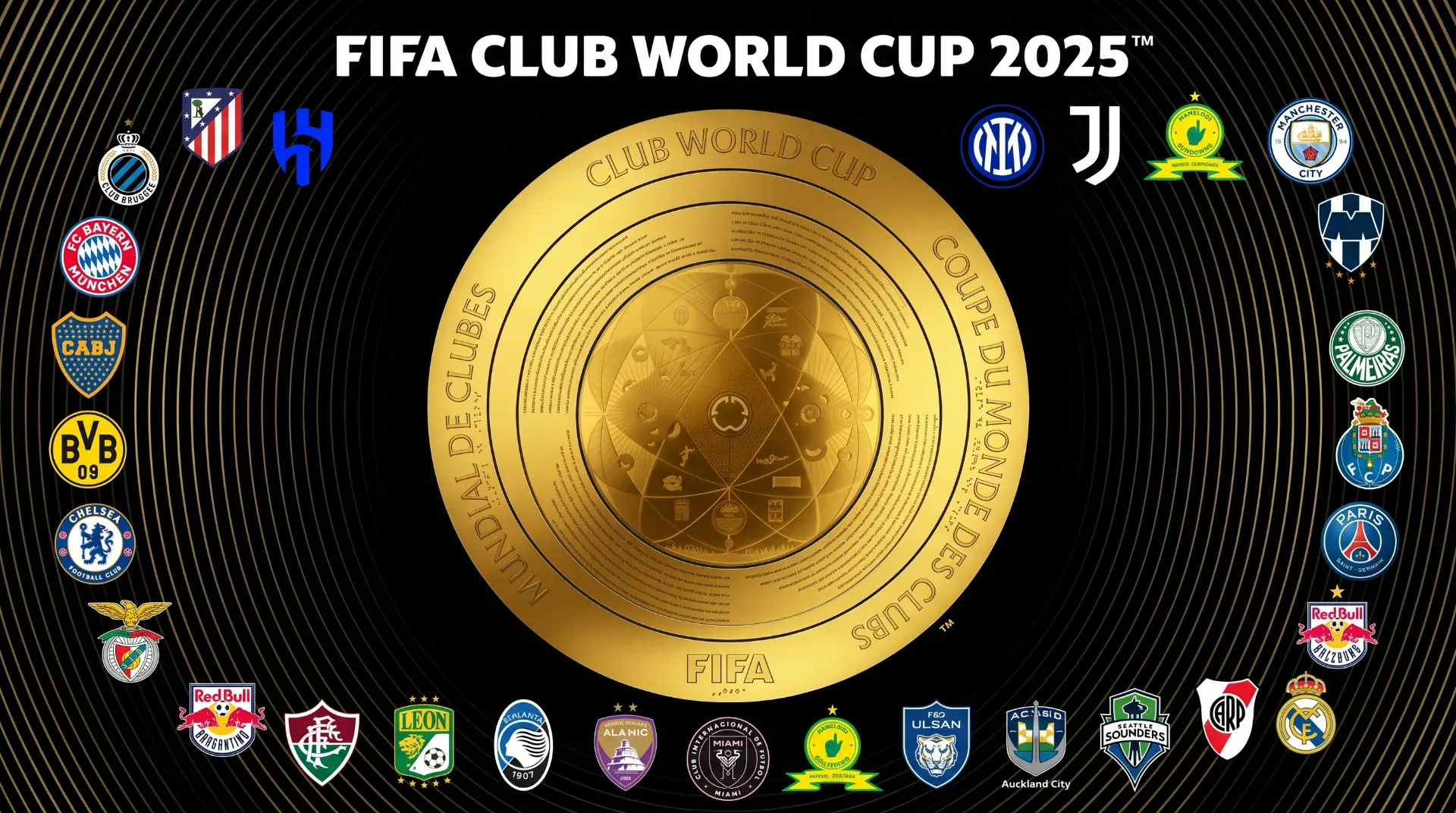
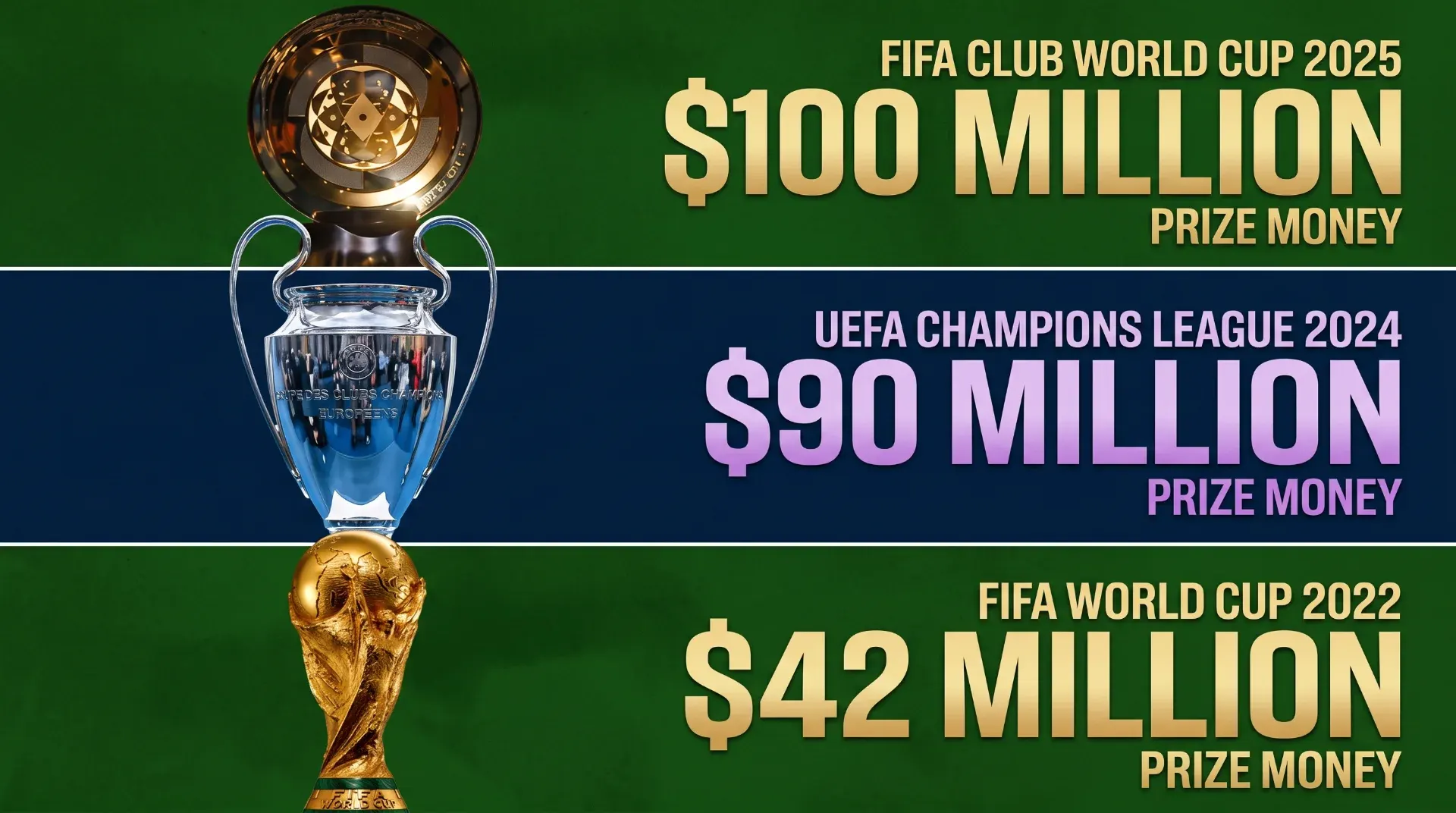
And one specific figure makes the picture very clear. FIFA's Club World Cup prize pool — $1 billion. One tournament. One month. A billion dollars.
The eventual champion — Chelsea — took home around $114 million. Real Madrid — close to $80 million. Other participating clubs — substantial sums each. The scale of the money tells one story — Club World Cup money flows from fans, from broadcasters, from sponsors. Money has become the central mechanism.
And this is exactly where the resistance is concentrated. FIFA and UEFA are not playing "against football." They are playing within the internal logic of financial expansion. The schedule, for them, is a revenue generator. Expansion — a major source of new income.
The players? The players are the human input. The physical layer of labour on which the entire model is built.
And this is where the conflict heats up. FIFA's $1 billion is still a stunning figure. But for an individual footballer — Rodri's ACL, an entire year off. Varane's "I won't live to 100." Alisson's recurring injuries. This is the physical price the players are paying so that the financial machine can keep running.
A slightly cynical question follows — the players have already received high salaries. Very high. So why are they joining the resistance?
And here arrives the detail that brings the whole picture into focus — Carlo Ancelotti's quote. "Players would even consider taking a wage cut if it meant they would play fewer games."
This is no longer money against money. This is physical survival against financial expansion. And the players — the very best ones in the world, who still have plenty of money to be made — are willing to give some of that money up.
The schedule is now turning football itself into a financial machine.
What happens next? Will there really be a strike?
One thing is clear — when Rodri said "we are close," that was a sentence. When FIFPRO filed its complaint — that became a legal case. And when the final ruling comes from the EU regulators — the financial model is going to change.
In the modern history of football, this could be called — "the players' war for the calendar." And right now, that war is reaching its real, tangible level.
What do you make of it — who wins in the end? Money, or the human body? An economic mechanism, or the footballer who walks away with a broken career?
The schedule will be rewritten every day from here on. One side will win. One side will lose.
And while the calendar burns, the players — until they actually go on strike — keep paying with their bodies.