


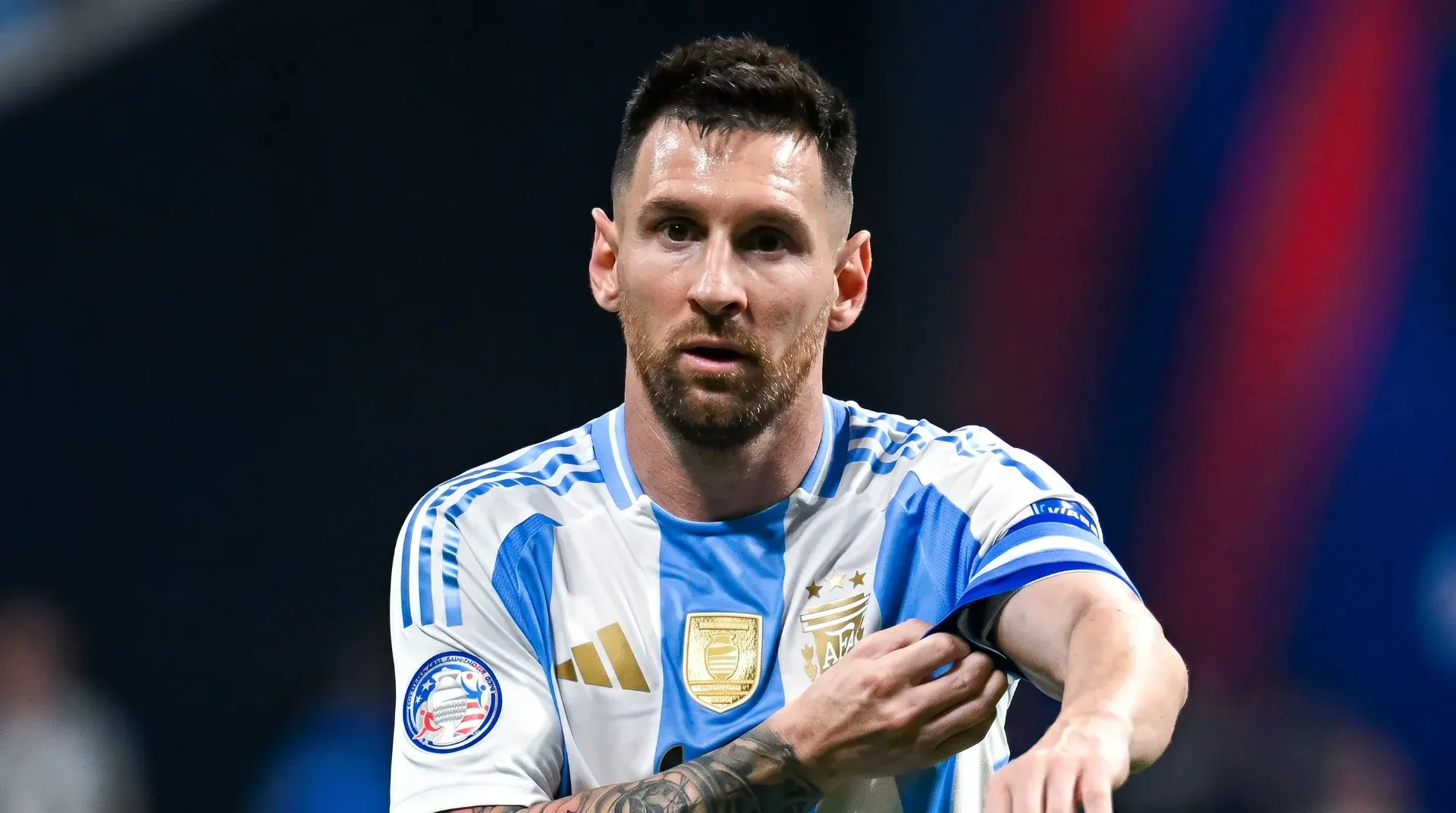
Argentina Is Ready. Scaloni Is Ready. Only One Voice Is Missing — Messi's
A month and a half until the World Cup. Argentina are defending. Twenty-one names locked in, five spots up for grabs. And one question nobody can answer yet: will Lionel Messi actually play?
Say no, and the whole script flips. Say yes, and you get the greatest farewell football has ever seen.
Messi hasn't said a word. The world waits.
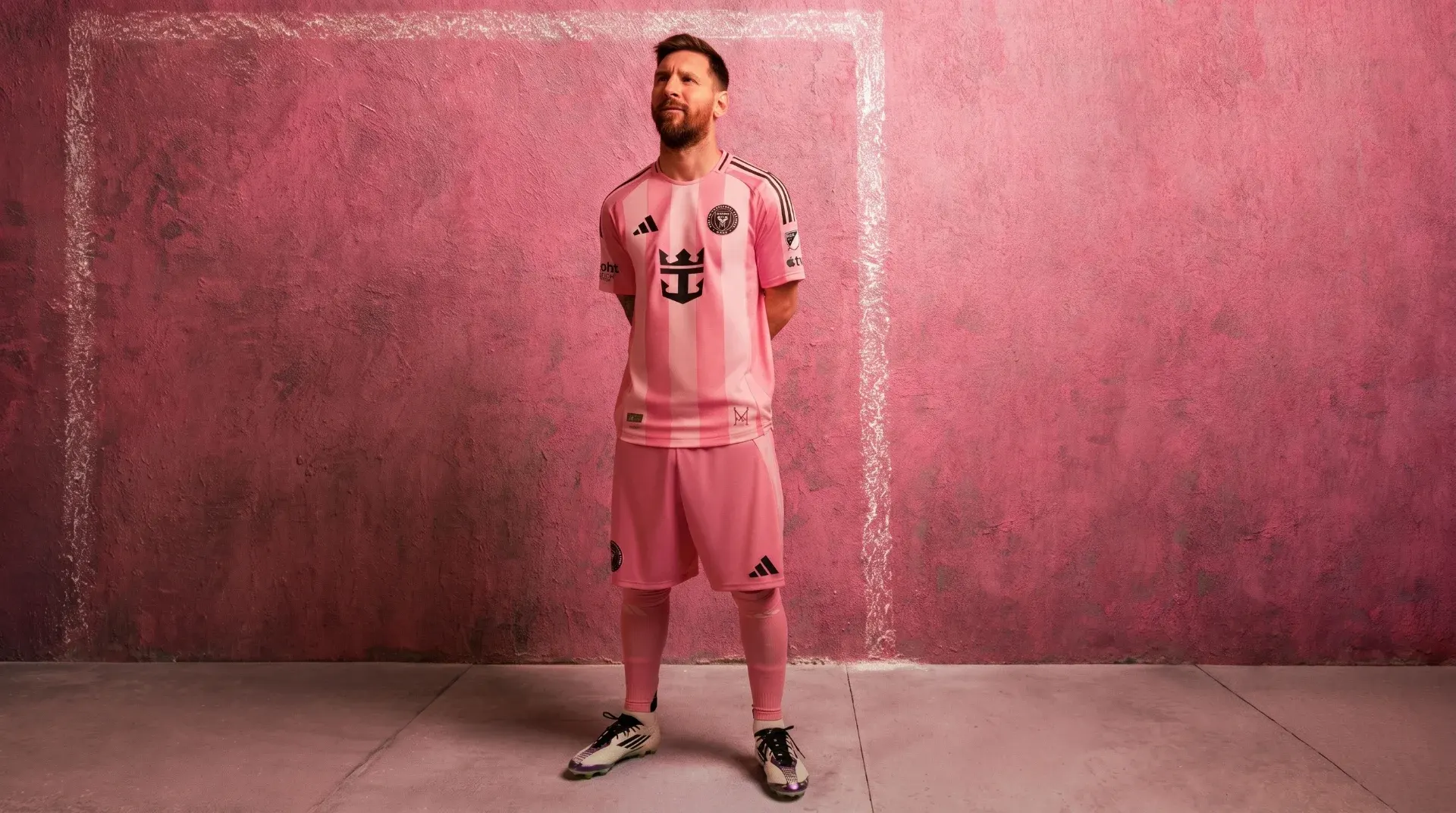
THE DECISION IS HIS
Scaloni's been clear about it. Every press conference, same message.
"I'll do everything I can to make sure he's there. He has to be there — for the sake of football. But it's not my call. It's up to him, how he feels in his body and his mind. He's earned the right to take his time. Whatever he decides, we trust it."
Messi? He's barely said anything.
Back in September 2024, he pretty much shut the door: "I said before that I don't think I'll play another World Cup. At my age, the most logical thing is that I won't make it."
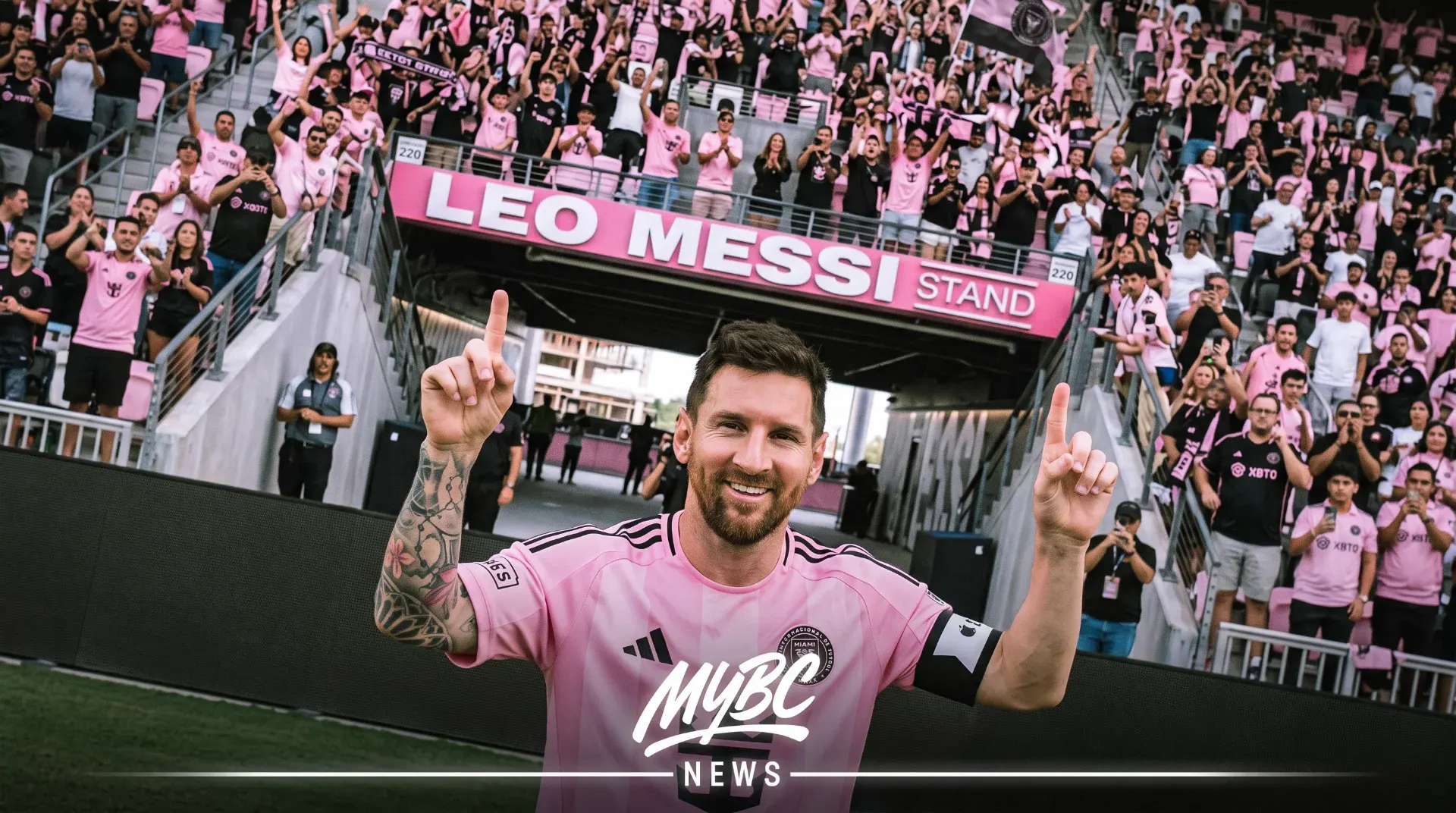
Then in October 2025, at the unveiling of the "Leo Messi Stand" at Inter Miami's Nu Stadium, the tone shifted: "It's something extraordinary to be part of a World Cup, and I'd love to be there. I want to feel good, to help the team if I can. I'll take it day by day when pre-season starts and see if I can get to 100 percent."
The calendar tells its own story. Messi turns 39 on June 24 — eight days into the tournament. He'll be 38 for the opener against Algeria in Kansas City on June 16. Still 38 for the second game against Austria on June 22. But by the final group match against Jordan on June 27 — already 39. And if Argentina reach the final on July 19, he'd be a 39-year-old lifting the trophy.
Only a handful of players have ever appeared at a World Cup at 39 or older — Dani Alves, Rafael Márquez, Stanley Matthews, Pepe. Messi already holds the record for the most World Cup appearances ever. Twenty-six matches. Nobody's played more.
SCALONI'S GOT 21 NAMES — AND THE FIFA CLOCK IS TICKING
The team isn't waiting around. According to ESPN Argentina, Scaloni's already locked in 21 of the final 26. Five spots left, and there's a proper fight for them.
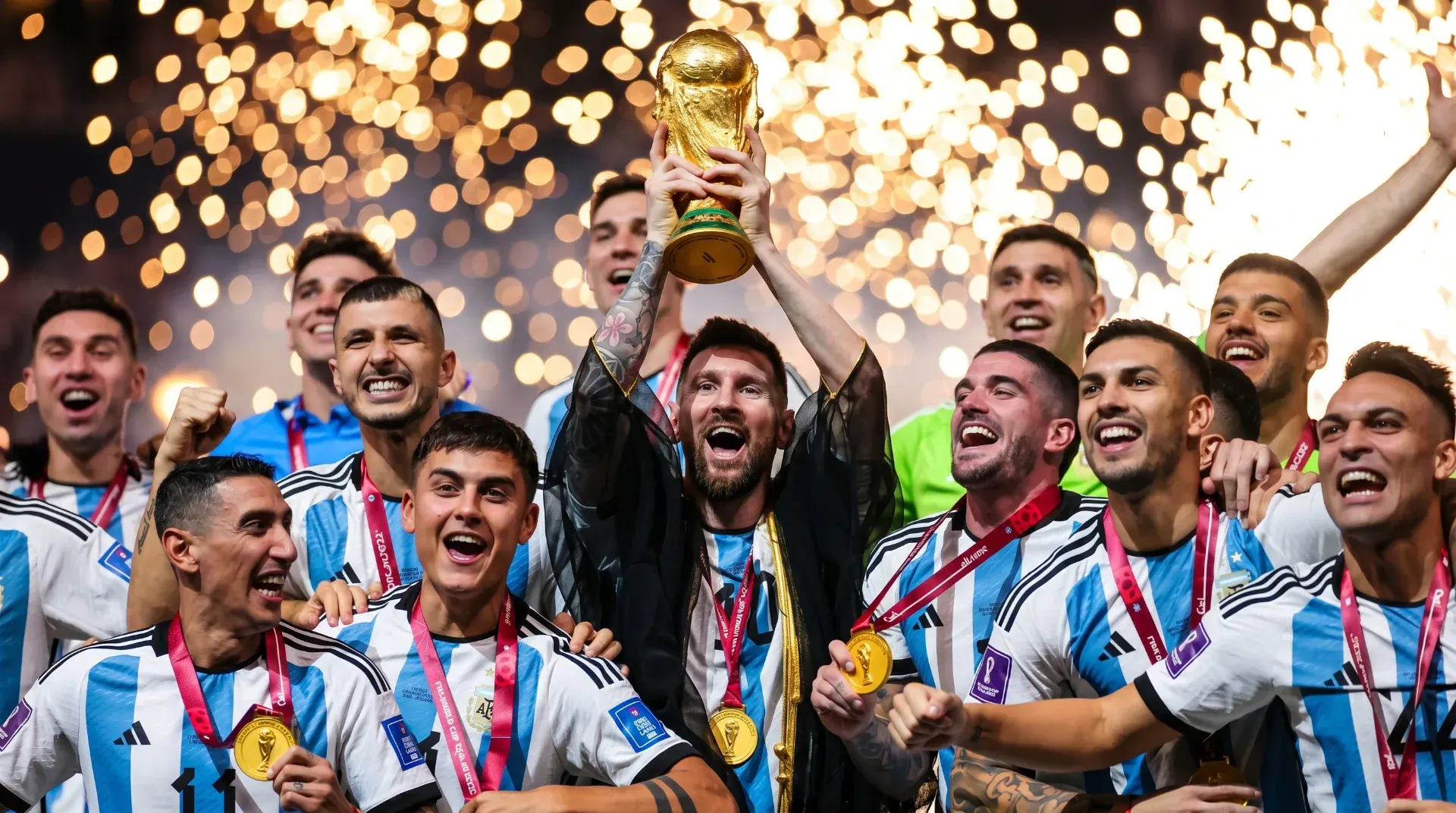
The spine is basically the Qatar 2022 squad. Emiliano Martínez (Aston Villa) in goal — Golden Glove winner in Doha. Cristian Romero (Tottenham captain) and Nicolás Otamendi (Benfica) at the back. Tagliafico (Lyon) and Molina (Atlético Madrid) at full-back. De Paul (Atlético), Mac Allister (Liverpool), Enzo Fernández (Chelsea), Paredes (Boca Juniors) in midfield.
Up front — Lautaro Martínez (Inter Milan), Julián Álvarez (Atlético Madrid), Nicolás González (Juventus). Plus Messi himself.
Same core that won it four years ago. No revolution — just tweaks.
The deadlines are close. Argentina's preliminary list of 35 to 55 players goes to FIFA by May 11. The final squad — anywhere between 23 and 26 names — is due by May 30. Twelve days before kickoff.
Messi will be on at least one of those lists.
THE NEW FACES — MASTANTUONO, PAZ, BARCO
This is where it gets interesting. Argentina's next generation is knocking on the door.
Franco Mastantuono. Eighteen years old. Left River Plate for Real Madrid last summer. Attacking midfielder, ridiculous technique. Scaloni sees him as part of the long-term plan.
Nico Paz. Twenty-one. Breakout season at Como, Real Madrid academy product. Sharp, precise, reads the game well. Argentina's most exciting midfield addition in years.
Valentín Barco. Twenty-one. Playing at Strasbourg in Ligue 1 after completing a permanent move from Brighton in July 2025. Left-back with serious technical ability.
Alejandro Garnacho. Twenty-one. Chelsea's winger now, after a £40 million move from Manchester United in August 2025. Talent's obvious. But his World Cup spot? Not guaranteed.
At least one of them — maybe two — will make the 26.
INJURIES THAT RESHAPED EVERYTHING
The squad picture took a hit this year. A big one.
Juan Foyth — Villarreal's versatile defender, part of the 2022 winning squad — picked up a serious injury that ended his season. Giovani Lo Celso, also at Villarreal on loan, tore his quadriceps. Valentín Carboni is out with a knee injury.
Three squad-level players. All gone.
Without Foyth, the backup centre-back spots are being fought over by Marseille's Leonardo Balerdi, Bournemouth's Marcos Senesi, and River Plate's Lautaro Rivero. Lisandro Martínez is slowly getting back to fitness at Manchester United after a long-term injury, but nobody's sure he'll be ready.
Who partners Romero and Otamendi from the bench? That's one of the biggest debates left before the squad drops.
ARGENTINA WITHOUT MESSI — THEY CAN DO IT
Here's the thing Scaloni won't say out loud, but the numbers say for him.
Since Qatar 2022, Argentina have played 11 matches without Messi — mostly because of injury. They lost twice. Colombia and Ecuador in World Cup qualifying. Won the other nine.
Scaloni did put it directly: "The team can play the same way with Leo or without him now. That used to be harder — we had to change things. Now we don't. That's a positive."
This isn't the Argentina of ten years ago, where no Messi meant no ideas. This squad has structure, depth, belief. If Messi plays, he's the cherry on top. But they don't need him to function.
And that, weirdly, makes his decision easier. He doesn't have to play because Argentina are desperate. He only has to play if he wants to.
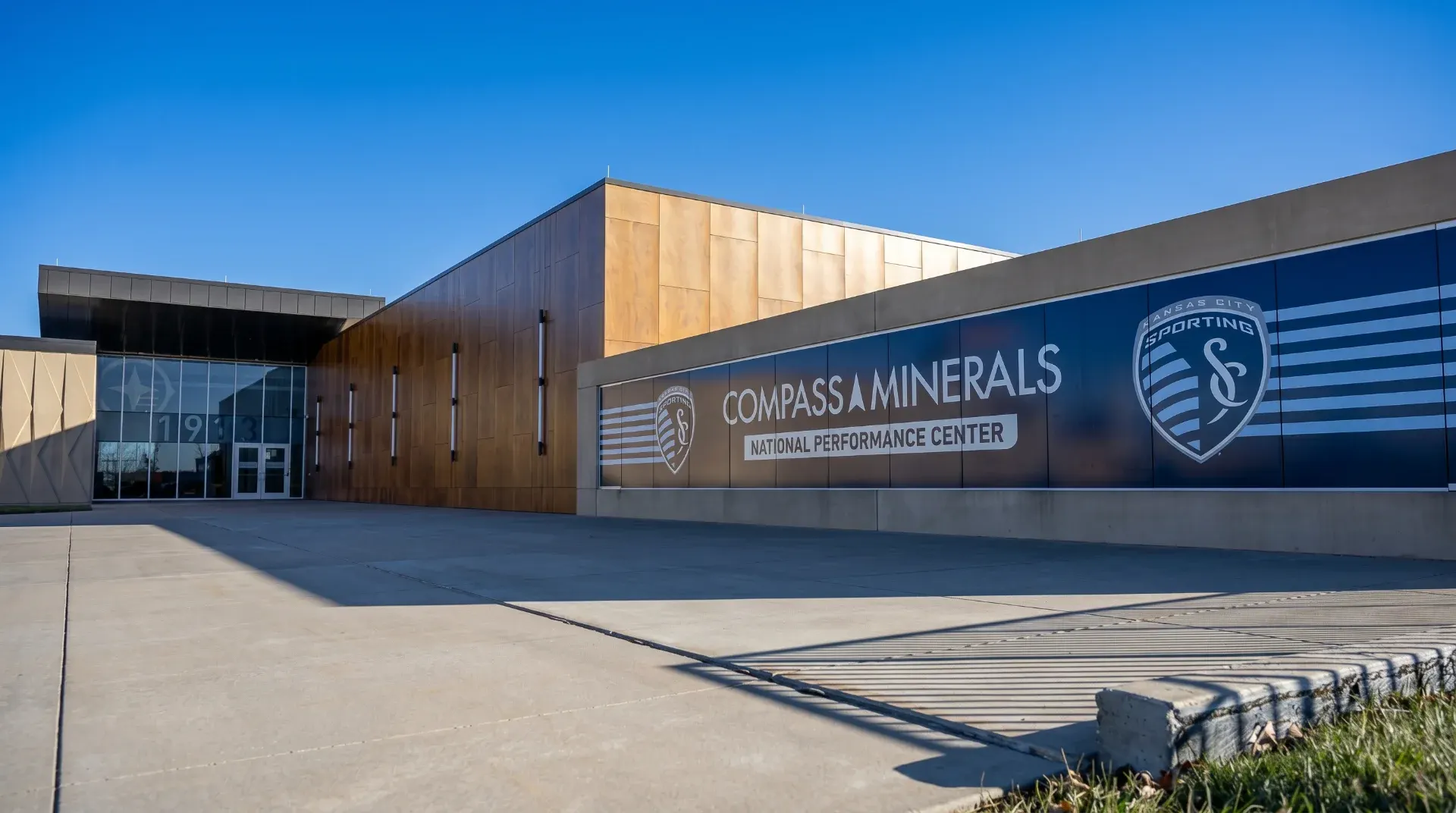
The team's already set up camp. Kansas City is the base — training at the Compass Minerals National Performance Center, the facility Sporting KC use every day. The opener at Arrowhead Stadium, home of the NFL's Chiefs. Logistics sorted. Facilities booked. Everything planned.
A HISTORIC OPPORTUNITY
And here's what makes all of this feel so much bigger than one tournament.
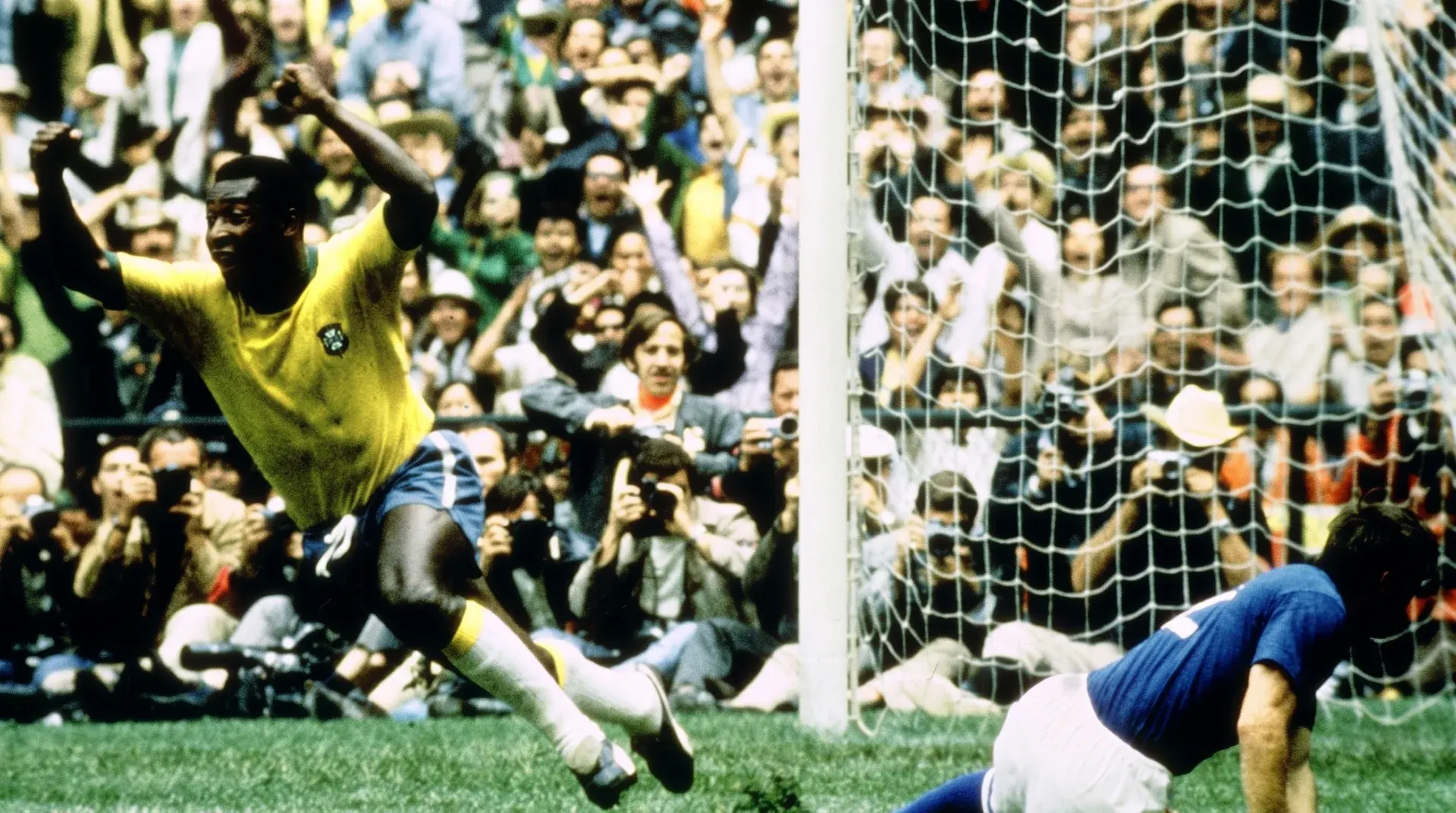
If Messi says yes — and Argentina win — it'll be something football hasn't seen in 64 years. No team has won back-to-back World Cups since Brazil in 1962.
That Brazil side — Pelé, Garrincha, Gilmar, Didi — defended their title in Chile after winning in Sweden four years earlier. Since then? Nobody. Germany won in 1990, got knocked out in the quarters in '94. Brazil won in 2002, went out in the quarters in '06. Italy won in 2006, crashed out in the group stage in 2010. France won in 2018, lost the 2022 final to Argentina.
Sixty-four years. Nobody's done it.
And now a nearly-39-year-old might be the one to break that streak. Messi lifting it at 35 in Qatar, then again at 39 in North America — across two completely different squads. Only Pelé sits in that category. Nobody else.
That's why Argentina is waiting. That's why Inter Miami is watching. That's why Scaloni keeps saying "it's up to him."
One yes — and the final dance begins.
One no — and the story changes.
Messi stays quiet. One month out. Everything's about to get very hot.